The Long Wait for a Promise Kept: Intercountry Adoptees and the Fight for U.S. Citizenship
For decades, a quiet struggle has unfolded, impacting the lives of thousands. It centers around a simple, yet profoundly important issue: U.S. citizenship for individuals adopted internationally by American families. These aren’t individuals seeking entry into the contry; thay are Americans, or at least, were promised that they would be. Yet, a legal technicality continues to deny them the rights and recognition they deserve.
A History Rooted in Policy Shifts
The core of the problem stems from a 1986 law that altered the rules for automatic citizenship for children adopted abroad by U.S. citizens. Previously, these children generally gained citizenship at birth if their adoptive parents were american. The change meant adoptees now had to meet specific residency requirements after adoption to claim citizenship – requirements that were often unclear and difficult to fulfill, especially for those adopted as infants.
This created a frustrating limbo for many. You might be raised as an American, educated in American schools, and deeply ingrained in American society, only to discover you lack the legal documentation to prove it.
The Human Cost of Legal Ambiguity
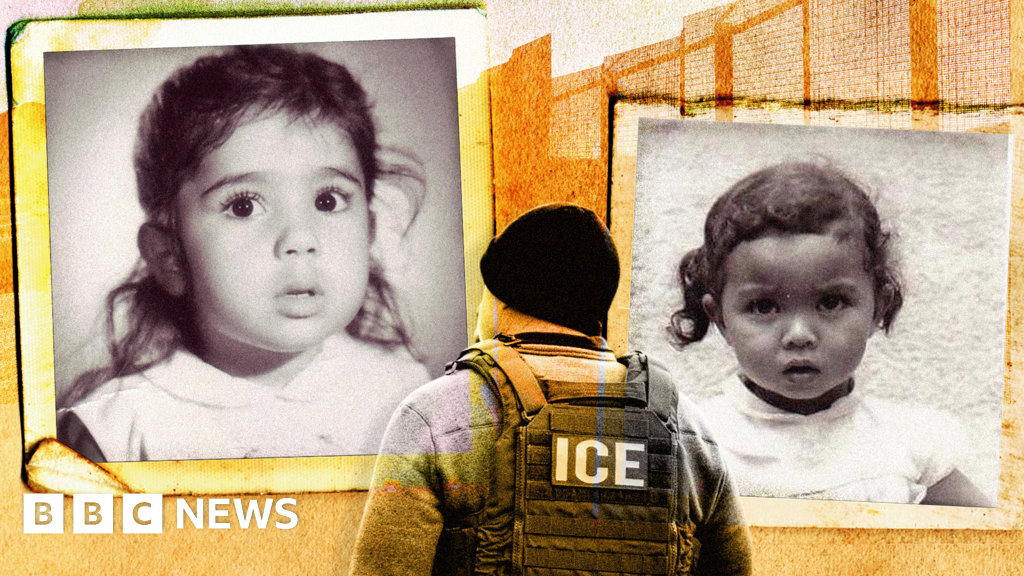
shirley Chung, now in her 60s, embodies this struggle. She, along with countless others, finds herself caught in a bureaucratic web, desperately seeking a resolution. Her story, and those like it, are a powerful testament to the emotional toll this situation takes.
I’ve found that the impact extends far beyond simply possessing a U.S. passport. It affects everything from employment opportunities and travel to healthcare access and the ability to sponsor family members. It creates a constant undercurrent of uncertainty and anxiety.
Why This matters – And Why It Should Be Fixed
Emily howe, a civil and human rights attorney specializing in this area, believes a solution is within reach. She argues that this isn’t a complex legal issue, but rather a matter of political will.
Here’s a breakdown of the key arguments:
* Equal Treatment: Adopted children should have the same citizenship rights as their biological siblings, notably when their adoptive parents were U.S. citizens at the time of birth.
* Broken Promises: These individuals were legally admitted to the U.S. as children, often with the explicit understanding they would become citizens.
* Long-Term Integration: Many adoptees have lived in the U.S. for decades, contributing to their communities and building lives here.
* simple Fix: A legislative correction could easily resolve the issue, extending citizenship to those who meet reasonable criteria.
A Plea for compassion and Action
Shirley Chung’s heartfelt plea to the President encapsulates the core of the issue. She, and others, simply want to be recognized as the Americans they were raised to be. “I would ask him to please have some compassion,” she says. “We’re not illegal aliens.We were put on planes as little itty-bitty babies.Just please hear our story and please follow through with the promise that America gave each one of the babies that got on those planes: American citizenship.”
This isn’t about politics; it’s about fulfilling a promise and righting a wrong. It’s about acknowledging the inherent dignity and worth of individuals who have always considered america their home. It’s time for a solution that provides these long-waiting adoptees with the security and belonging they deserve.
Related reading