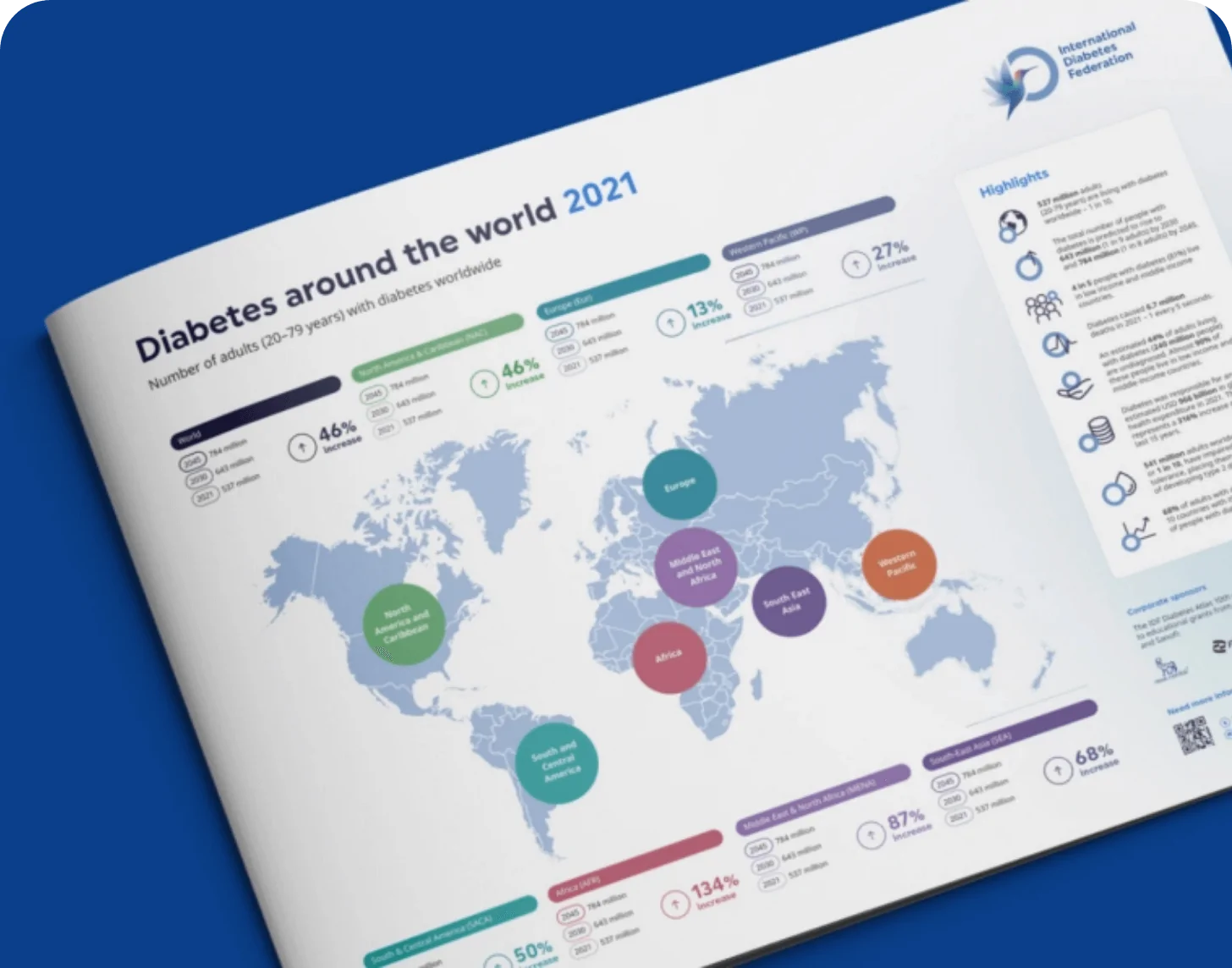
Approximately one-fifth of the adult population in Mexico is currently living with a diagnosis of diabetes, according to recent public health data. This significant prevalence highlights a persistent challenge for the Mexican healthcare system, as chronic metabolic diseases continue to exert pressure on clinical resources and long-term public health strategies throughout the nation. Data from the most recent National Health and Nutrition Survey (ENSANUT) indicates that the condition remains a leading factor in morbidity across the country, necessitating ongoing monitoring and expanded preventative care initiatives.
As a physician and health journalist, I observe that these figures are not merely statistical markers; they represent a complex intersection of lifestyle factors, genetic predisposition, and the evolving landscape of access to primary medical care. Understanding the scope of this health crisis requires looking at both the clinical definitions of the disease and the socioeconomic variables that influence its trajectory within the Mexican population.
Understanding the Prevalence of Diabetes in Mexico
The estimation that roughly 20% of Mexican adults live with diabetes is derived from large-scale population surveys conducted by the National Institute of Public Health (INSP). These surveys provide a snapshot of the prevalence of type 2 diabetes, which accounts for the vast majority of cases in the region. According to the National Health and Nutrition Survey (ENSANUT), the burden of the disease is unevenly distributed, with higher rates often observed in older age groups and among individuals with limited access to early screening programs.

Diabetes is characterized by chronic hyperglycemia—elevated blood sugar levels—resulting from defects in insulin secretion, insulin action, or both. In the context of Mexico, the Ministry of Health (Secretaría de Salud) emphasizes that the transition toward sedentary lifestyles and diets high in processed foods has contributed to the rise in metabolic disorders. Because diabetes often presents with subtle symptoms in its early stages, many individuals remain undiagnosed until they experience complications such as neuropathy, retinopathy, or cardiovascular issues.
Clinical Impact and the Healthcare Response
The clinical management of diabetes requires a multidisciplinary approach, involving primary care physicians, endocrinologists, nutritionists, and specialized nursing staff. The Mexican government has implemented various national programs for the prevention and control of diabetes mellitus, which focus on early detection through glucose screening and the promotion of physical activity. These efforts are essential to mitigating the long-term economic and human costs associated with chronic disease management.

Beyond individual care, the public health sector faces the challenge of managing the secondary complications of the disease, which are major drivers of hospital admissions. The Pan American Health Organization (PAHO) reports that effective management of diabetes in Latin America requires not only pharmaceutical intervention but also significant investments in community-based educational programs that empower patients to manage their condition through diet and consistent monitoring.
Factors Influencing Long-Term Health Outcomes
Several social determinants influence the prevalence and management of diabetes. These include the availability of affordable, nutrient-dense foods, the walkability of urban environments, and the level of health literacy among the general public. Research published by the OECD regarding health outcomes in Latin America suggests that systemic improvements in primary care infrastructure are the most effective way to reduce the incidence of preventable complications.
For individuals, the path forward involves consistent engagement with local clinics. Regular check-ups allow for the timely adjustment of treatment plans, which may include oral medications or insulin therapy depending on the patient’s specific metabolic profile. As of the most recent reporting periods, health authorities continue to prioritize the integration of digital health tools to monitor patient progress and ensure that medication supplies reach those in rural or underserved areas.
Future Directions in Diabetes Management
Looking ahead, the focus of Mexican health authorities remains on the “pre-diabetes” phase, where lifestyle interventions can prevent or delay the onset of full-scale diabetes. The World Health Organization (WHO) reinforces that early identification of individuals at risk—particularly those with a family history or elevated Body Mass Index (BMI)—is a cornerstone of global diabetes reduction strategies.

The next major update regarding national health metrics is expected to be released following the completion of the next cycle of the ENSANUT survey. For patients and their families, the best course of action remains proactive screening. If you are concerned about your own risk factors, the most reliable information can be obtained by consulting your primary care provider or visiting the official portal of the Secretaría de Salud, which provides resources for local clinics and health centers. Please share your thoughts in the comments section below or distribute this report to those who may benefit from better awareness of these public health statistics.