
Recent clinical research indicates that patients with Type 2 diabetes treated with SGLT2 inhibitors may experience a significantly lower incidence of Alzheimer’s disease compared to those using other glucose-lowering medications. According to a large-scale study published in The BMJ, the use of sodium-glucose cotransporter-2 (SGLT2) inhibitors is associated with a reduced risk of dementia, suggesting a potential neuroprotective effect that extends beyond glycemic control.
As a physician, I frequently see patients managing the complex interplay between metabolic health and cognitive decline. The findings, which analyzed data from over 100,000 patients, provide a compelling link between metabolic regulation and long-term brain health. This development is particularly relevant as global health authorities look for ways to mitigate the rising burden of neurodegenerative diseases in aging populations.
Understanding the Link Between SGLT2 Inhibitors and Brain Health
SGLT2 inhibitors, originally designed to manage blood glucose levels by preventing the kidneys from reabsorbing sugar, have increasingly shown cardiovascular and renal benefits. Now, emerging data suggests these drugs may also influence cognitive outcomes. A 2024 observational study involving patients with Type 2 diabetes found that those prescribed SGLT2 inhibitors had a 43% lower risk of developing Alzheimer’s disease compared to those taking dipeptidyl peptidase-4 (DPP-4) inhibitors.
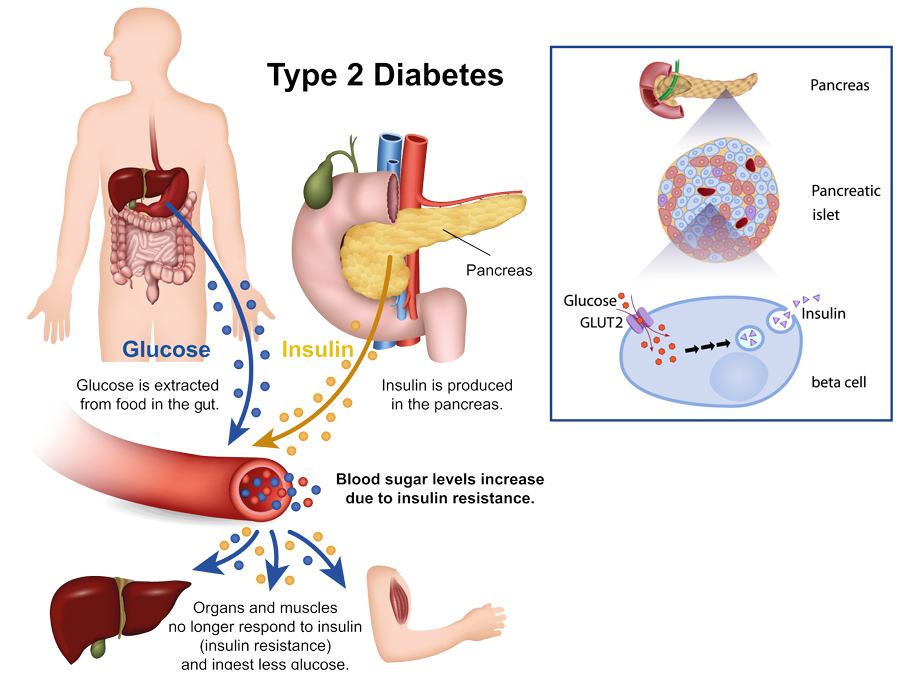
The study highlights how systemic inflammation and insulin resistance—both hallmarks of Type 2 diabetes—are significant risk factors for cognitive impairment. By stabilizing glucose levels and potentially reducing systemic inflammation, SGLT2 inhibitors may protect neurons from the metabolic stressors that contribute to the development of dementia. While these results are encouraging, they represent an association rather than a direct cause-and-effect relationship, and clinical trials are necessary to confirm these findings.
Comparing Therapeutic Approaches: GLP-1 and SGLT2
The landscape of diabetes management is shifting rapidly, with GLP-1 receptor agonists also gaining attention for their potential neurological impact. Research indicates that GLP-1 agonists, such as semaglutide, may also offer protective benefits against cognitive decline. A study published in eClinicalMedicine found that patients with Type 2 diabetes treated with GLP-1 receptor agonists showed a lower risk of developing dementia compared to those on other antidiabetic medications.
It is important for patients and clinicians to distinguish between these drug classes. While both show promise in reducing cognitive risk, they operate through different physiological mechanisms. SGLT2 inhibitors primarily target renal glucose excretion, whereas GLP-1 agonists work by mimicking hormones that regulate appetite and insulin secretion. The Alzheimer’s Association emphasizes that while metabolic health is vital for brain function, no single medication should be viewed as a standalone preventative measure for dementia.
Clinical Implications for Patients and Policy
For individuals living with Type 2 diabetes, these findings underscore the importance of early and effective metabolic management. The potential for a “dual benefit”—managing blood sugar while simultaneously supporting cognitive longevity—could influence future treatment guidelines. However, as an internal medicine physician, I caution that these medications carry specific risks, including urinary tract infections for SGLT2 inhibitors and gastrointestinal side effects for GLP-1 agonists.
Healthcare providers are encouraged to discuss these evolving research trends with patients, particularly those with a family history of neurodegenerative conditions. The World Health Organization maintains that maintaining a healthy lifestyle, including regular physical activity and a balanced diet, remains the most effective strategy for reducing the risk of dementia. Future clinical trials, such as those registered with the U.S. National Library of Medicine, will be essential to provide definitive evidence regarding the long-term cognitive safety and efficacy of these drug classes.
What Happens Next in Diabetes Research
The next phase of investigation will focus on identifying the specific biological mechanisms by which these drugs influence the brain. Researchers are currently looking at whether these medications reduce neuroinflammation or improve cerebral blood flow directly. We expect further data from ongoing longitudinal studies to be released throughout 2025.
Patients should continue to follow their prescribed treatment plans and consult their primary care physician or endocrinologist before making any changes to their medication. As more peer-reviewed studies emerge, the medical community will be better equipped to determine if these medications should be considered for neuroprotection in high-risk populations. I welcome your questions and insights on these developments—please share your thoughts in the comments section below.
Related reading