
5 Reasons To Buy Physical Video Games Over Digital in 2026
In an era where digital downloads dominate the gaming landscape, physical video games remain a compelling choice for many players. Even as digital copies offer convenience—no discs to swap, instant access, and no shelf space required—physical editions provide unique advantages that digital formats cannot match. From ownership rights to long-term preservation, the case for buying physical video games is stronger than ever in 2026.
As a technology journalist with a background in software engineering, I’ve seen firsthand how the shift toward digital distribution has reshaped the gaming industry. Yet, despite the convenience of digital storefronts like the PlayStation Store, Xbox Store, and Nintendo eShop, physical copies continue to hold value for collectors, resellers, and gamers who prioritize ownership, and flexibility. Below, we explore five key reasons why physical video games may still be the better choice for many players.
1. True Ownership and Resale Value
One of the most significant advantages of physical video games is the ability to truly own them. When you purchase a digital game, you’re often buying a license to access the software rather than the software itself. This distinction matters because digital licenses can be revoked, delisted, or tied to a specific account, leaving players with no recourse if a game is removed from digital storefronts.
Physical copies, are tangible assets that can be resold, traded, or gifted without restrictions. According to a 2023 report by the Entertainment Software Association (ESA), the resale market for physical games remains robust, with many titles retaining or even increasing in value over time, particularly limited editions and collector’s items. For example, rare physical copies of games like The Legend of Zelda: Ocarina of Time for the Nintendo 64 have sold for hundreds of dollars on secondary markets like eBay, far exceeding their original retail price (eBay, 2026).
This resale value is particularly important for gamers who want to recoup some of their investment or build a collection that holds long-term value. Unlike digital games, which are often tied to a single account and cannot be transferred, physical copies can be sold or traded freely, making them a more flexible and financially savvy choice for many players.
2. No Dependency on Internet or Servers
Digital games require an internet connection for initial download, updates, and sometimes even to verify ownership. If a game’s servers are shut down or your internet connection is unreliable, you may lose access to your purchase entirely. Physical games, however, can be played offline without any dependency on external servers or internet connectivity.
This is especially critical for gamers in regions with unstable internet access or for those who prefer to play games without relying on digital infrastructure. For example, Nintendo’s Super Mario Bros. Wonder, released in 2023, requires an internet connection for certain features in its digital version, while the physical copy can be played entirely offline (Nintendo, 2023). Physical games are immune to server outages, which have disrupted access to digital libraries in the past, such as when Sony’s PlayStation Network experienced a major outage in 2021, leaving many players unable to access their purchased games for hours (PlayStation, 2021).
3. Preservation and Future-Proofing
Digital games are vulnerable to delisting, where publishers remove them from digital storefronts, often without warning. Once a game is delisted, it can become impossible to purchase or redownload, even if you previously owned it. Physical copies, however, are immune to this risk. As long as you have the disc and a compatible console, you can play the game indefinitely, regardless of whether it’s available digitally.

This is particularly important for preserving gaming history. Many classic games have been lost to time because they were never re-released digitally or were removed from storefronts. For example, Disney’s Epic Mickey 2: The Power of Two was delisted from digital stores in 2020, making the physical copy the only way to play the game today (Polygon, 2020). Physical copies ensure that games remain accessible for future generations, even if digital versions disappear.
physical games are not subject to the whims of corporate decisions. If a publisher decides to shut down a game’s online services, digital owners may lose access to multiplayer modes or other online features. Physical copies, however, often include all content on the disc, ensuring that players can enjoy the full experience without relying on external servers.
4. Collectibility and Aesthetic Appeal
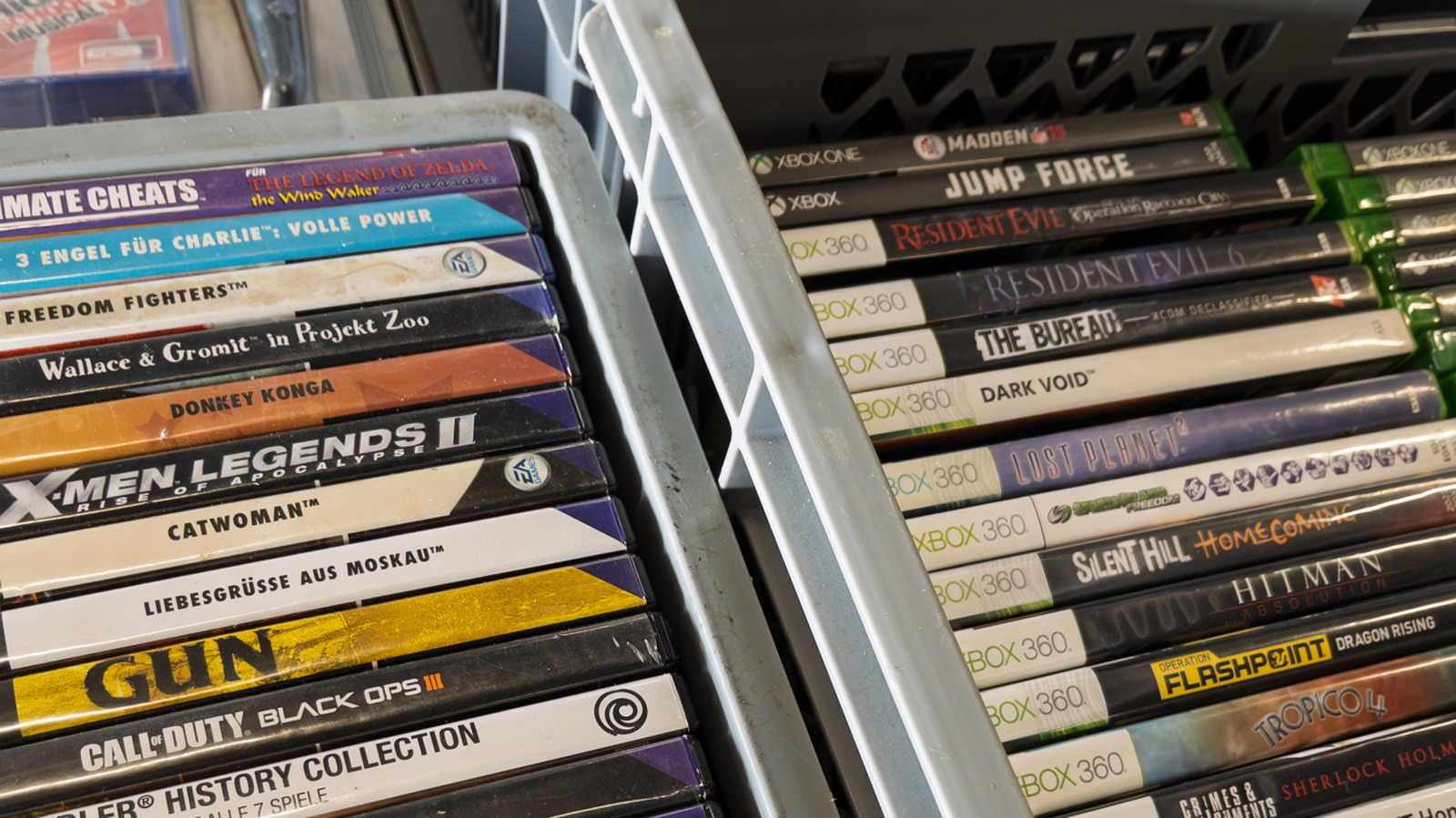
For many gamers, physical copies are more than just a way to play a game—they’re a form of art and collectibility. Limited editions, collector’s sets, and special packaging often include exclusive content like art books, soundtracks, or unique in-game items that are not available with digital purchases. These editions can become highly sought-after items, both for their aesthetic value and their potential to appreciate in worth over time.
For example, the Final Fantasy VII Rebirth Collector’s Edition, released in 2024, included a steelbook case, an art book, and a replica of the game’s iconic materia, making it a must-have for fans and collectors (PlayStation Store, 2024). Similarly, Nintendo’s The Legend of Zelda: Tears of the Kingdom Special Edition, which included a steelbook and a unique in-game item, sold out within hours of its release, demonstrating the high demand for physical collectibles (Nintendo, 2023).
Beyond the collectible value, physical games as well offer a tangible connection to the gaming experience. Displaying a game on a shelf or holding a beautifully designed case can enhance the emotional attachment to the game, something that digital downloads simply cannot replicate.
5. No Risk of Account Bans or License Revocation
Digital games are tied to user accounts, which can be banned or suspended for violating terms of service. If an account is banned, all digital purchases associated with it are lost, often without the possibility of recovery. Physical games, however, are not tied to any account and cannot be revoked by a publisher or platform holder.
This is particularly relevant for gamers who engage in competitive online play or modding communities, where account bans are more common. For example, players who mod their consoles or games risk having their accounts banned, which would result in the loss of all digital purchases. Physical copies, however, remain unaffected by account status, providing a layer of security that digital games cannot offer.
physical games are not subject to regional restrictions. Digital storefronts often enforce region-locking, meaning a game purchased in one country may not be playable in another. Physical copies, however, can be played on any console, regardless of region, making them a more flexible option for gamers who travel or move between countries.
Key Takeaways: Why Physical Games Still Matter
- True Ownership: Physical games can be resold, traded, or gifted, unlike digital licenses, which are often non-transferable.
- Offline Access: Physical copies can be played without an internet connection or reliance on servers, making them ideal for offline play.
- Preservation: Physical games are immune to delisting and server shutdowns, ensuring long-term access to your favorite titles.
- Collectibility: Limited editions and special packaging offer unique content and aesthetic value that digital copies lack.
- Account Security: Physical games are not tied to user accounts, eliminating the risk of losing access due to bans or suspensions.
Where to Buy Physical Video Games in 2026
If you’re convinced that physical games are the right choice for you, there are several places to purchase them. Major retailers like GameStop, Best Buy, and Amazon continue to stock a wide selection of physical games for all major consoles, including the PlayStation 5, Xbox Series X|S, and Nintendo Switch. Specialty stores and online marketplaces like eBay offer rare and collectible editions that may not be available through traditional retailers (GameStop, 2026).

For gamers interested in retro titles, local game stores and online marketplaces are excellent resources for finding classic physical copies. Many of these stores also offer trade-in programs, allowing you to exchange old games for store credit or cash, further enhancing the value of physical ownership.
The Future of Physical Games
While digital distribution continues to grow, physical video games are far from obsolete. In fact, many publishers are recognizing the enduring appeal of physical media and are releasing more collector’s editions and special packaging to cater to fans. For example, Sony and Microsoft have both confirmed that physical copies of major first-party titles will continue to be produced for the foreseeable future, ensuring that gamers who prefer physical media will still have options (PlayStation, 2024).
As the gaming industry evolves, the choice between physical and digital will ultimately come down to personal preference. However, for those who value ownership, preservation, and the tangible experience of gaming, physical video games remain a compelling and practical choice.
What’s your take? Do you prefer physical or digital games, and why? Share your thoughts in the comments below, and don’t forget to share this article with fellow gamers who might be on the fence!