
The Italian consumer protection group Codacons has filed a formal complaint with the Italian Competition Authority (AGCM), known as the Antitrust, regarding the labeling practices of pasta manufacturer F. Divella S.p.A. The complaint alleges that the company’s packaging uses imagery and marketing that could mislead consumers into believing the wheat used in its products is exclusively of Italian origin, despite the company’s documented use of imported grains.
This development has reignited a long-standing debate within the Italian food industry regarding the transparency of “Made in Italy” labeling and the legal requirements for indicating the country of origin on processed food products. According to the Italian Competition Authority, the agency is tasked with ensuring fair competition and protecting consumers from deceptive marketing practices, including those involving the origin of agricultural commodities.
The Allegations and the Legal Dispute
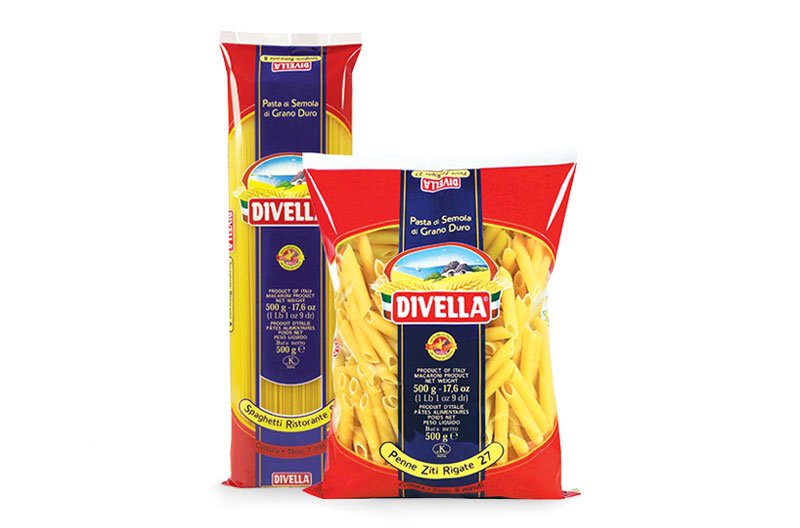
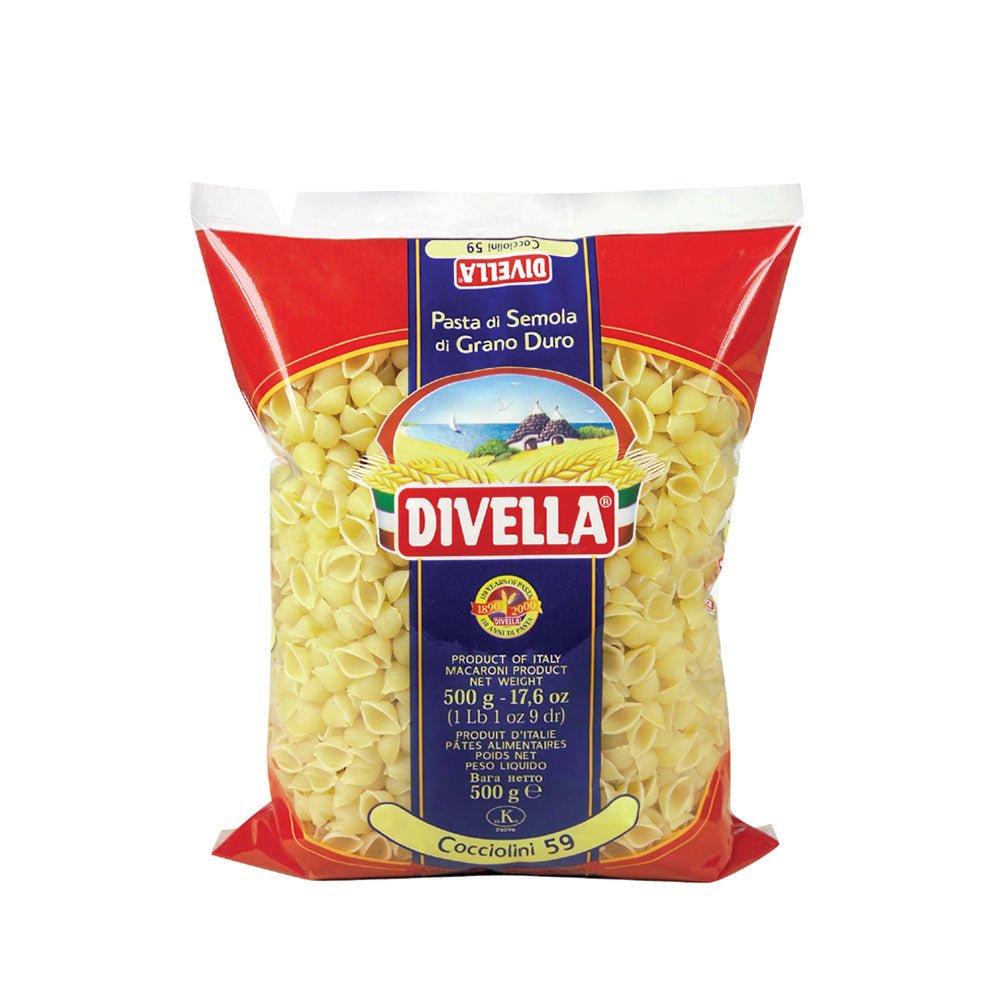
The core of the dispute centers on the visual presentation of Divella’s packaging. Codacons, acting alongside Adusbef, argues that the prominent use of Italian symbols, such as the national flag or colors, creates an implicit promise of domestic sourcing. They contend that this marketing strategy may conflict with the expectations of consumers who prioritize domestic agricultural products, leading them to believe they are purchasing pasta made entirely from Italian durum wheat.
Italian regulations regarding food labeling are governed by a combination of national laws and European Union directives. Under EU Regulation 1169/2011, food business operators must ensure that information provided to consumers is not misleading, particularly regarding the country of origin or place of provenance of the primary ingredient. When the origin of a food is given, and it is not the same as that of its primary ingredient, the origin of that primary ingredient must also be given or indicated as being different from the origin of the food.
Divella’s Position and Corporate Response
F. Divella S.p.A. has categorically rejected the allegations as “pretextual.” In official statements released to the media, the company emphasized that its operations strictly adhere to current food labeling legislation. The management asserted that transparency remains at the center of their production processes and that all mandatory origin information is clearly visible on their product labels, as required by law.

The company also pointed to previous regulatory scrutiny, noting that similar concerns regarding their operations were addressed and resolved years ago. By highlighting that these issues have been reviewed in the past, Divella aims to frame the current complaint as a redundant action that does not reflect a new or ongoing violation of competition or consumer protection statutes.
The Broader Context of Durum Wheat Imports
The tension surrounding pasta labeling is not unique to a single manufacturer. Italy is one of the world’s largest consumers and producers of pasta, but domestic production of durum wheat often falls short of the total demand from the country’s massive industrial milling and pasta-making sector. According to data from the Istituto di Servizi per il Mercato Agricolo Alimentare (ISMEA), which monitors agricultural markets, Italy frequently relies on imports from countries such as Canada, the United States, and various Mediterranean nations to supplement domestic supply.
(mh=q4h8s44PE8MWf3fh)0.jpg "The Broader Context of Durum Wheat Imports")
This reliance on international markets creates a complex landscape for manufacturers who must balance the high quality of Italian-grown wheat with the economic necessity of sourcing global grains to maintain production volumes and price competitiveness. The debate often pits agricultural trade groups, who advocate for stricter “100% Italian” labeling requirements, against industrial processors who argue that global sourcing is a standard, transparent, and necessary component of the modern food supply chain.
What Happens Next
The Antitrust Authority will now conduct a preliminary assessment to determine whether there are sufficient grounds to open a formal investigation into the complaint. If the AGCM finds evidence that Divella’s marketing practices could indeed mislead the average consumer, it may initiate a formal inquiry, which could lead to administrative sanctions or a requirement for the company to modify its packaging.
There is currently no set date for a decision on whether to proceed with a formal investigation. The process typically involves a review of the evidence submitted by the complainants and a period for the company to provide a formal defense. Consumers and industry stakeholders are expected to monitor the official press releases from the Italian Competition Authority for updates on the status of this filing.
This situation serves as a reminder of the evolving standards for transparency in the global food industry. As regulatory bodies continue to refine the application of origin-labeling laws, manufacturers face increasing pressure to ensure that their branding aligns precisely with the technical specifications of their products.
Readers interested in the ongoing status of this proceeding can track official filings through the Italian Competition Authority’s public database. We welcome your thoughts on this topic; please feel free to share your perspective in the comments section below.
Keep reading