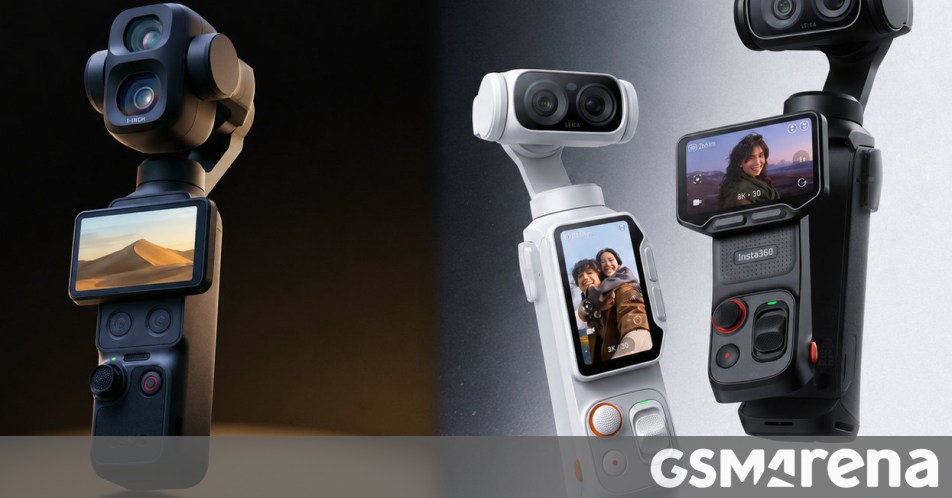
DJI has initiated legal action against Insta360, filing two separate lawsuits in the United States alleging patent infringement regarding the design and technology of the newly released Insta360 Luna Ultra. The litigation centers on claims that the Luna Ultra, marketed as a direct competitor to the DJI Osmo Pocket series, violates intellectual property protections held by DJI for its stabilized handheld camera systems, according to official company filings and industry reports tracked by legal databases.
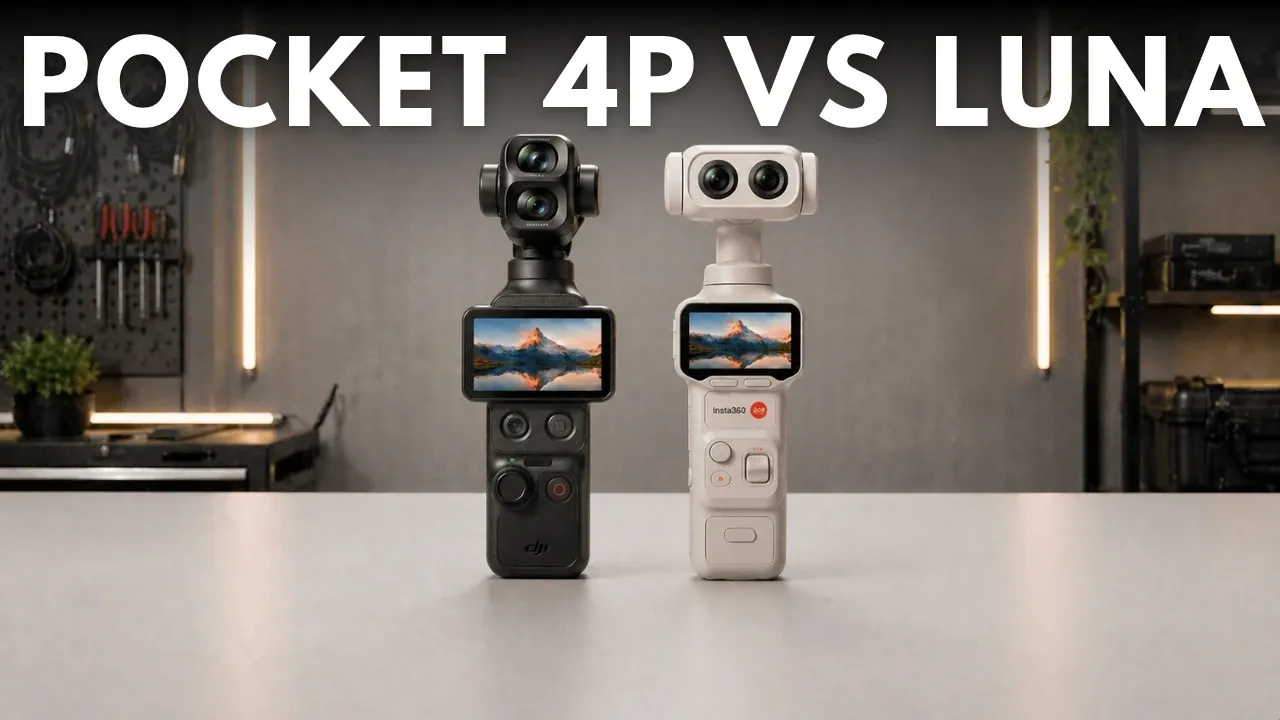
The conflict follows the recent product launch of the Insta360 Luna Ultra, a device that shares a similar form factor and gimbal-stabilized design with the DJI Osmo Pocket 4P. DJI, a Shenzhen-based technology firm, asserts that the design similarities constitute a breach of its established patent portfolio. These legal proceedings represent a significant escalation in the ongoing rivalry between the two dominant players in the consumer action camera and drone markets, as both companies compete for market share in the high-end creator segment.
Understanding the Patent Infringement Claims
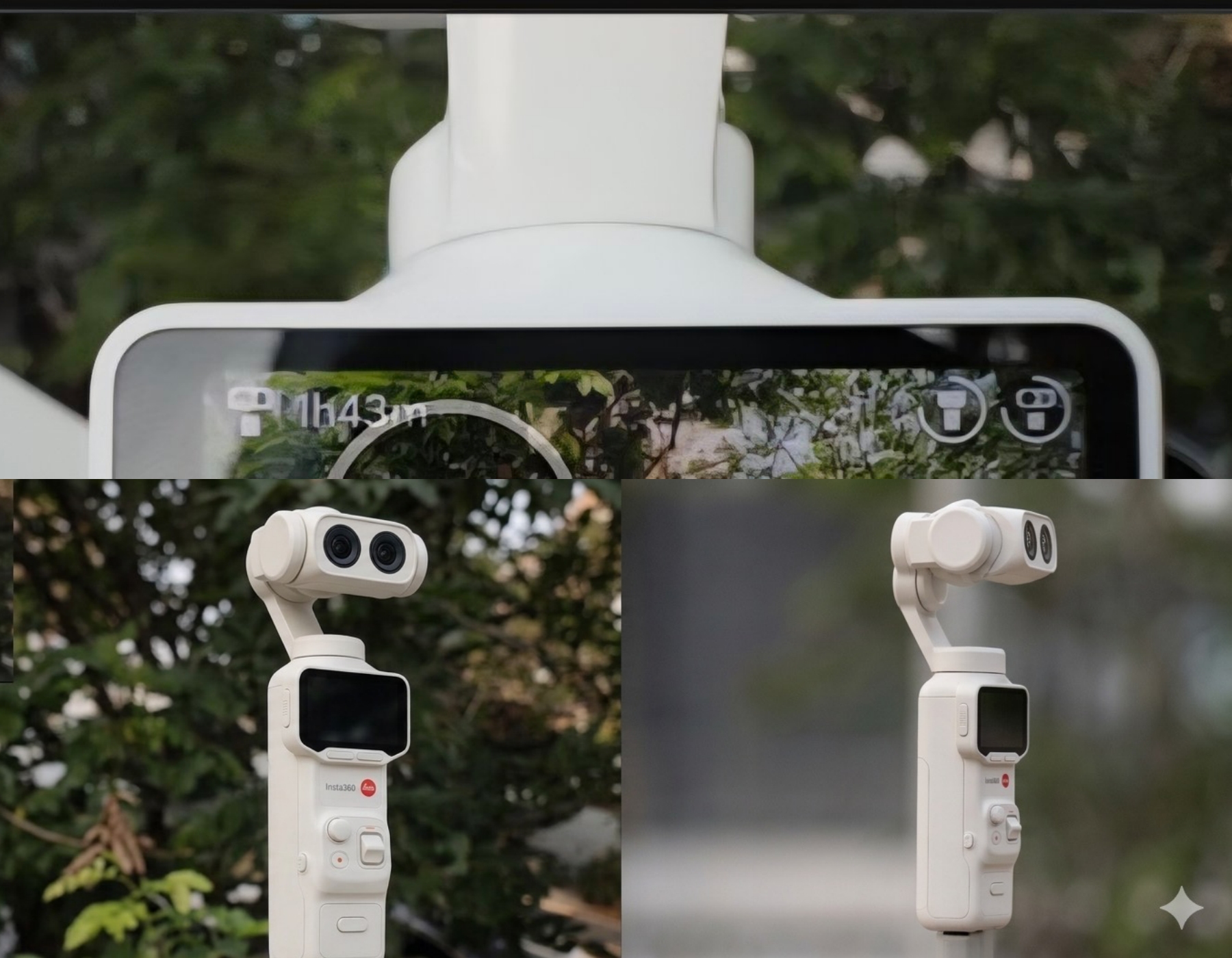
In the first of the two lawsuits, DJI alleges that the physical design and mechanical architecture of the Insta360 Luna series infringe upon specific design patents associated with the Osmo Pocket line. According to the United States Patent and Trademark Office (USPTO), design patents protect the unique visual characteristics of a manufactured item. DJI’s legal team contends that the Luna Ultra’s integration of a miniature three-axis gimbal with a vertical display panel mimics the proprietary design language that has defined the Osmo Pocket series since its inception.
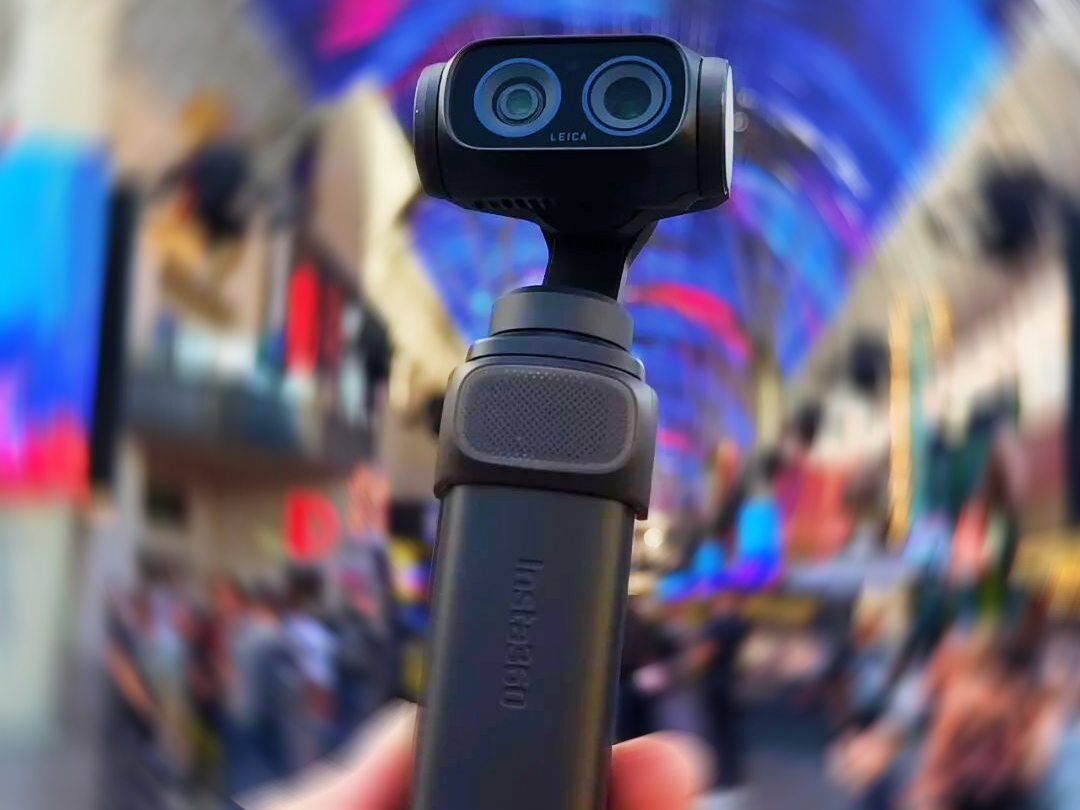
The second lawsuit reportedly targets specific underlying utility patents related to the camera’s stabilization algorithms and power management systems. Utility patents cover the way an invention works, rather than how it looks. DJI’s move to file in U.S. courts, rather than in international jurisdictions, is viewed by industry analysts as a strategic effort to leverage favorable intellectual property precedents that often favor established patent holders in consumer electronics disputes.
Market Impact and Competitive Landscape
The competition between DJI and Insta360 has intensified as both companies seek to dominate the “vlogging” and “creator” camera categories. The DJI Osmo Pocket series, which debuted in 2018, established the category of pocket-sized, gimbal-stabilized cameras. By introducing the Luna Ultra, Insta360 aimed to challenge this dominance by offering alternative features, such as enhanced low-light performance and proprietary AI-driven shooting modes, as outlined in their official product announcement.
This litigation could have substantial implications for the availability of these devices. If a court finds in favor of DJI, it could result in an injunction preventing the sale of the Luna Ultra within the United States. Such a ruling would echo past industry disputes where patent battles led to the temporary removal of products from major retail platforms. For consumers, the outcome of these cases will likely dictate whether the current level of choice in the stabilized camera market remains stable or shifts back toward a singular dominant brand.
Historical Precedents in Camera Tech Litigation
Patent disputes are not new to the camera and drone industries. Both DJI and Insta360 have been involved in various intellectual property conflicts over the last decade. In 2021, for example, the United States International Trade Commission (USITC) investigated patent claims involving drone technology, which underscored the high stakes of maintaining proprietary control over hardware innovations. These cases often hinge on the definition of “prior art” and the specific scope of the claims granted by patent examiners.
Legal experts suggest that the current case will likely focus on whether the mechanical similarities between the two devices are functional necessities—required for a gimbal to work—or if they are aesthetic choices that DJI has exclusive rights to protect. The court will need to examine the technical specifications of both the Osmo Pocket 4P and the Luna Ultra to determine if the similarities cross the line into infringement.
What Happens Next in the Litigation
Following the initial filings, the legal process will move into the discovery phase, where both DJI and Insta360 will be required to exchange evidence regarding the development and engineering of their respective products. This phase often involves the review of internal design documents, patent applications, and communication records between engineers and executive leadership.
The next major milestone in this case will be the scheduling of a preliminary hearing, where a judge will determine if there is sufficient evidence to move forward to a full trial or if the parties might be encouraged to reach a settlement. No dates have been set for these proceedings, and both companies have remained largely quiet regarding the specifics of the ongoing litigation. Readers interested in tracking the progress of this case can monitor the Public Access to Court Electronic Records (PACER) system for updates on case filings and future court orders.
As this is a developing story, we will continue to monitor official court dockets and company announcements. Please share your thoughts in the comments section below regarding how you believe this litigation might affect the future of action camera design.