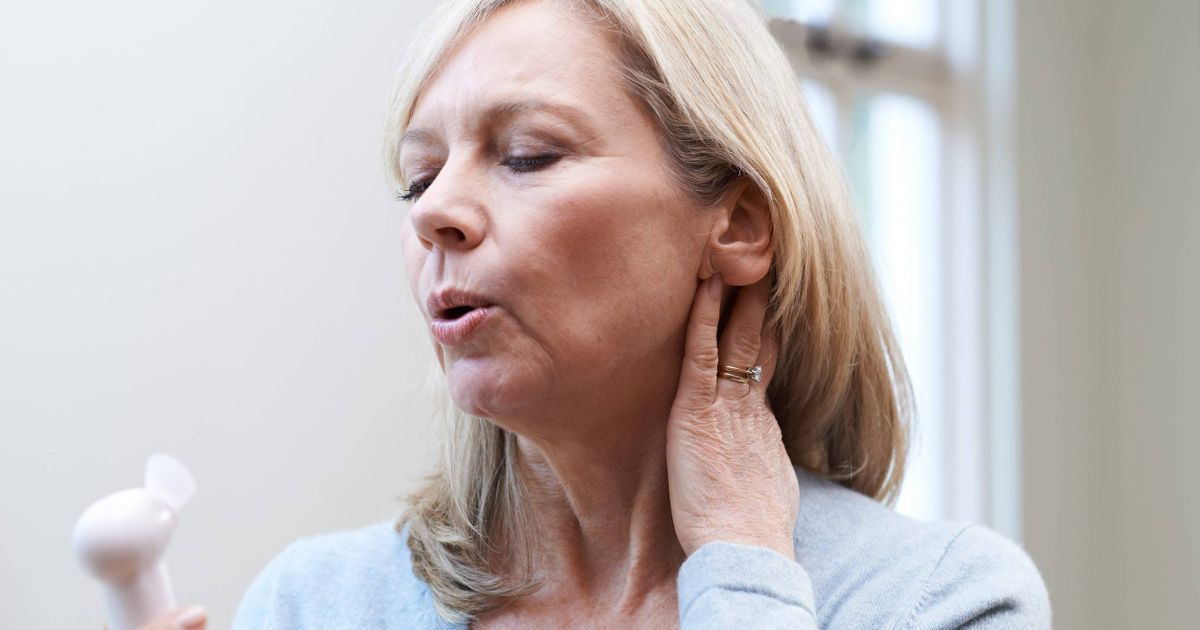
Hormone Replacement Therapy (HRT) is often presented as a singular solution for menopause, yet clinical consensus emphasizes that managing this life stage is rarely a one-size-fits-all process. While hormones can effectively alleviate symptoms like hot flashes and night sweats, the decision to undergo treatment requires balancing individual health risks against potential benefits, according to clinical guidelines provided by the Menopause Society.
As a physician, I frequently encounter patients seeking a definitive “fix” for the hormonal shifts associated with menopause. However, the medical reality is more nuanced. Menopause is a natural biological process—the permanent cessation of menstruation—that occurs as ovarian function declines. For many, this transition involves a complex interplay of physiological and psychological changes that may require a multifaceted approach beyond hormone administration alone.
The Role of Hormone Therapy in Symptom Management
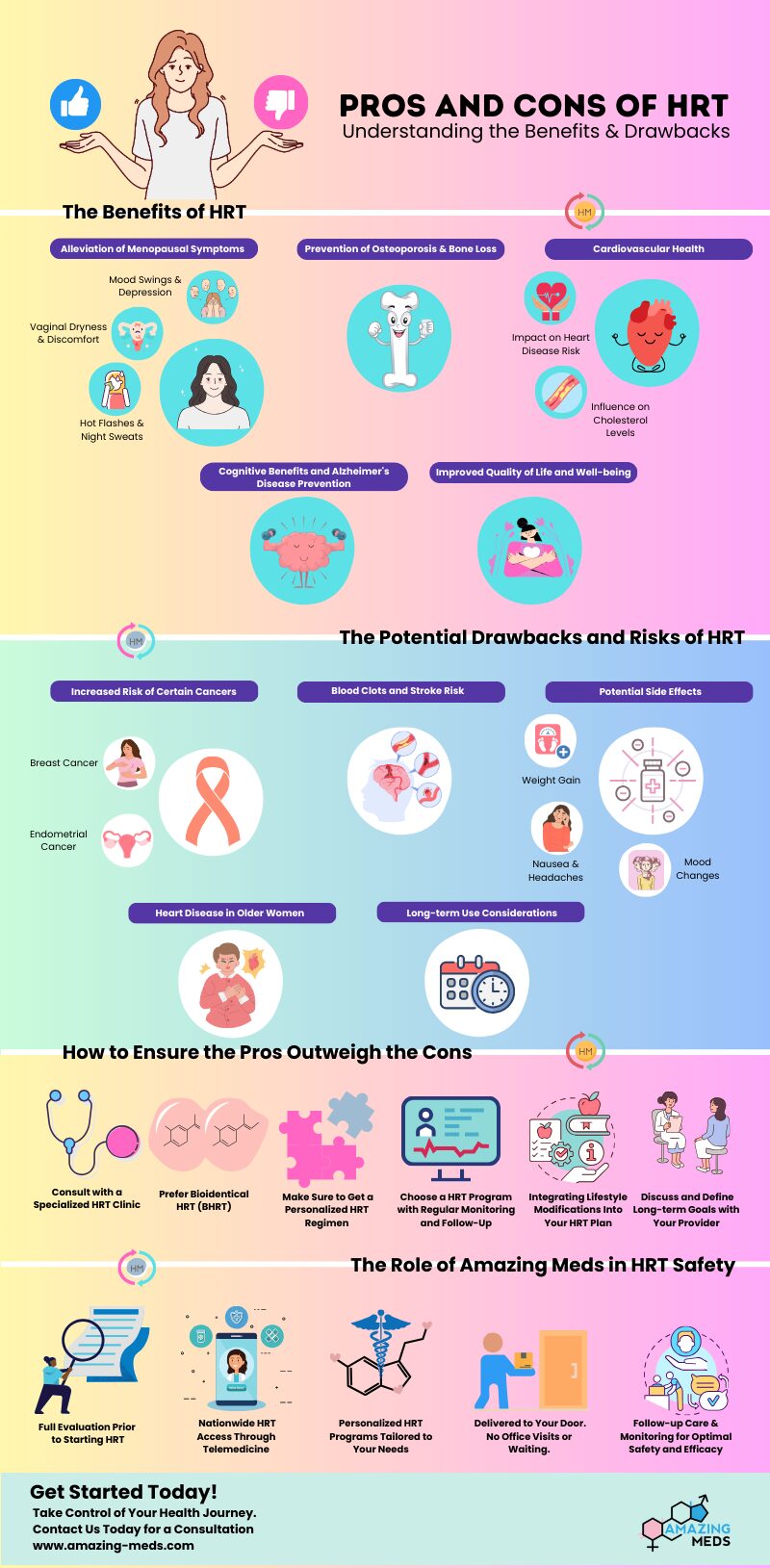
Hormone therapy (HT) works by supplementing the estrogen that the body stops producing in sufficient quantities during the perimenopausal and postmenopausal years. According to the National Health Service (NHS), estrogen-based treatments are highly effective at reducing vasomotor symptoms, such as hot flashes, and can help maintain bone density, which decreases as estrogen levels drop.

However, the application of hormones is not universal. For women who still have a uterus, estrogen must be combined with progestogen to protect the uterine lining from potential cancer risks. This complexity highlights why medical supervision is mandatory. Patients must be screened for contraindications, including a history of hormone-sensitive cancers, undiagnosed vaginal bleeding, or blood clotting disorders, as noted in the American College of Obstetricians and Gynecologists (ACOG) guidelines.
Beyond Hormones: A Holistic Approach
Relying solely on hormones often ignores the environmental and lifestyle factors that influence how a person experiences menopause. Clinical research suggests that diet, physical activity, and stress management play significant roles in symptom severity. For example, evidence indicates that regular exercise and maintaining a healthy weight can mitigate some metabolic changes associated with the drop in estrogen, according to the Mayo Clinic.
Cognitive Behavioral Therapy (CBT) has also emerged as a validated, non-hormonal intervention. Research published in medical journals indicates that CBT can help individuals manage the psychological impact of hot flashes and sleep disturbances, offering an alternative for those who cannot or choose not to use hormone therapy. It is this integration of behavioral health and medical intervention that defines modern, patient-centered care.
Assessing Individual Risks and Benefits
The “window of opportunity” is a critical concept in hormone therapy. Recent clinical data suggests that initiating hormone therapy within 10 years of the onset of menopause, or before age 60, generally offers a more favorable benefit-to-risk ratio than starting it much later. As outlined by the Endocrine Society, the primary objective is to use the lowest effective dose for the shortest duration necessary to achieve symptom control.
Patients should be wary of anecdotal advice that frames hormone therapy as a “fountain of youth.” While it manages symptoms, it does not stop the biological aging process. Furthermore, the long-term use of systemic hormones is associated with a slightly increased risk of certain conditions, such as breast cancer and stroke, depending on the specific formulation and the patient’s underlying health profile.
Moving Forward with Informed Care
The conversation around menopause is shifting toward personalized medicine. Rather than viewing hormones as the only pathway, patients and clinicians are increasingly looking at a range of options, including selective serotonin reuptake inhibitors (SSRIs) for mood and vasomotor symptoms, and targeted therapies for specific concerns like genitourinary syndrome of menopause.
The next phase of menopause research focuses on optimizing these individualized treatment plans. As clinical trials continue to refine our understanding of long-term outcomes, patients are encouraged to maintain annual check-ups with their primary care providers or gynecologists to re-evaluate their treatment goals. If you are currently navigating this transition, consult your healthcare provider to discuss how your personal medical history influences your path forward. Have you found success with a combination of lifestyle changes and medical treatment? Share your experiences in the comments below.