
Fish oil supplements remain among the most popular dietary additions globally, frequently marketed for their potential to support cardiovascular health and metabolic function. As a physician, I often hear patients ask whether these concentrated omega-3 fatty acids are truly a “magic bullet” for complex conditions like type 2 diabetes or insulin resistance. While the appeal of a simple, daily capsule is understandable, the clinical reality is more nuanced, requiring a careful look at the evidence regarding how these fats interact with our internal systems.
At its core, the debate over fish oil centers on the biological impact of omega-3 fatty acids—specifically eicosapentaenoic acid (EPA) and docosahexaenoic acid (DHA)—on human metabolism. Research into these compounds has been ongoing for decades, with scientists investigating their role in mitigating systemic inflammation and improving how the body processes glucose. For those managing metabolic health, understanding these mechanisms is essential to separating marketing claims from clinical outcomes.
The Science of Omega-3s and Metabolic Health
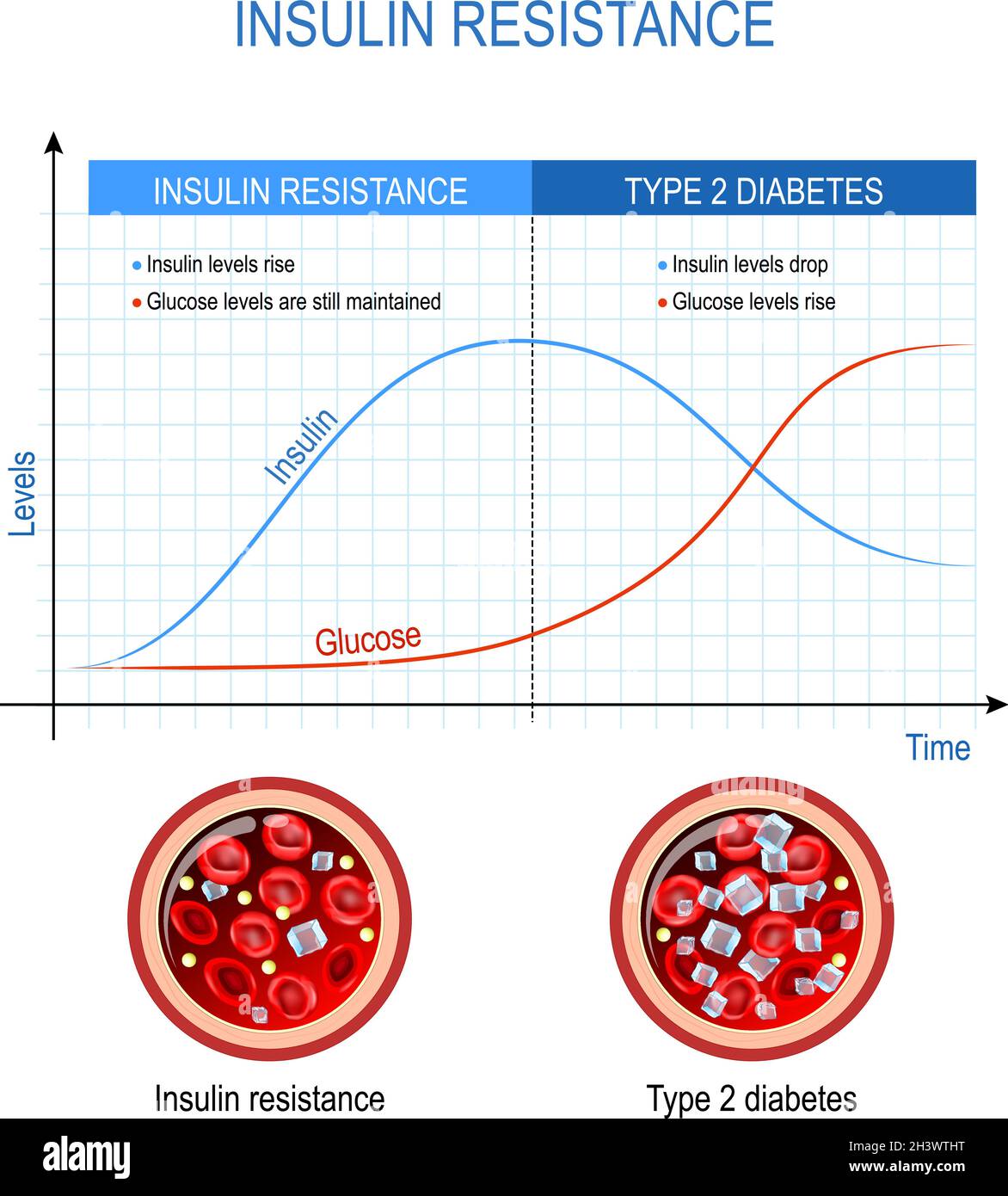
The conversation regarding fish oil often intersects with the management of insulin resistance, a condition where the body’s cells do not respond effectively to insulin, leading to elevated blood sugar levels. Scientific inquiry into this relationship has been conducted across various models to determine if supplementation can provide a protective effect. For instance, research published in the Journal of Research in Medical Sciences has examined how fish oil and olive oil can modify insulin resistance and plasma desacyl-ghrelin levels in experimental models, highlighting the potential for dietary fats to influence hormonal pathways (PMC3430014).
While experimental studies provide a window into biological possibilities, it is critical to distinguish these findings from human clinical practice. The translation of results from controlled laboratory environments to the complex, varied lifestyles of human patients is rarely linear. Factors such as baseline diet, the presence of comorbidities, and individual genetic differences play a significant role in how any supplement—including fish oil—affects an individual’s health profile. Because results vary based on the clinical state of the patient, there is no “one-size-fits-all” recommendation for supplementation.
Clinical Perspectives on Supplementation
When evaluating the utility of fish oil, the consensus among medical professionals is that supplements should not be viewed as a substitute for primary interventions. In the context of type 2 diabetes, the foundation of management remains structured nutrition, physical activity, and prescribed pharmacotherapy. Supplements serve, at best, as an adjunctive measure, and their efficacy is highly dependent on the individual’s specific physiological needs.
Patients often ask about the “best” dose or the “right” time to begin supplementation. However, without a personalized assessment from a primary care provider or an endocrinologist, taking high-dose supplements can be unnecessary or even counterproductive. It is important to note that the Food and Drug Administration (FDA) regulates dietary supplements differently than prescription medications, meaning that the purity, concentration, and quality of over-the-counter fish oil products can vary significantly between brands (FDA Dietary Supplement Guidance).
What Patients Should Consider
- Consultation is Key: Always discuss supplement use with your physician, especially if you are currently taking medications for blood sugar or blood pressure, as potential interactions can occur.
- Dietary Sources First: Many health organizations emphasize obtaining omega-3 fatty acids through whole foods, such as fatty fish (e.g., salmon, mackerel, or sardines), which provide a complex matrix of nutrients beyond just isolated fats.
- Evidence-Based Expectations: Be wary of marketing that promises “cures” or significant reversals of chronic conditions. Supplements are designed to support health, not replace medical treatment.
Navigating Future Research
The field of nutritional science is rapidly evolving, and we continue to learn more about how fatty acids influence chronic disease risk. Future clinical trials will likely focus on larger, more diverse cohorts to better understand which patient subgroups—if any—derive the most significant benefit from specific formulations of omega-3s. As these studies progress, it is vital to rely on peer-reviewed literature and official health advisories rather than anecdotal reports or promotional content.

For those looking for the most current, evidence-based guidance, the National Institutes of Health (NIH) provides ongoing resources regarding the safety and efficacy of omega-3 supplements (NIH Office of Dietary Supplements). Staying informed through these official channels is the most reliable way to ensure that your health decisions are based on the latest scientific consensus.
As we move forward, the focus must remain on personalized care. Whether or not fish oil has a place in your health regimen should be a decision made in partnership with your medical team, based on your unique blood panels, medical history, and treatment goals. If you have questions about how your current diet or supplement routine aligns with your metabolic health, I encourage you to bring those specific concerns to your next check-up.
Dr. Helena Fischer serves as the Editor of the Health section at World Today Journal. She is a physician with over 11 years of experience in medical journalism and internal medicine. For further updates on medical research and public health, please follow our journal and share your thoughts in the comments section below.
Keep reading
- Mort de Marie-Paule Belle : qui était Françoise Mallet-Joris, le grand amour de sa vie ? – Closer
- Virus du Nil occidental : les cas en hausse Europe, comment se protéger (efficacement) des piqûres de moustiques ? – Actu.fr
- Blood & Twists: New Horror Remake on Netflix (archyde.com)
- Data Centers Spur Economic Growth, But Who Reaps the Benefits? (world-today-news.com)