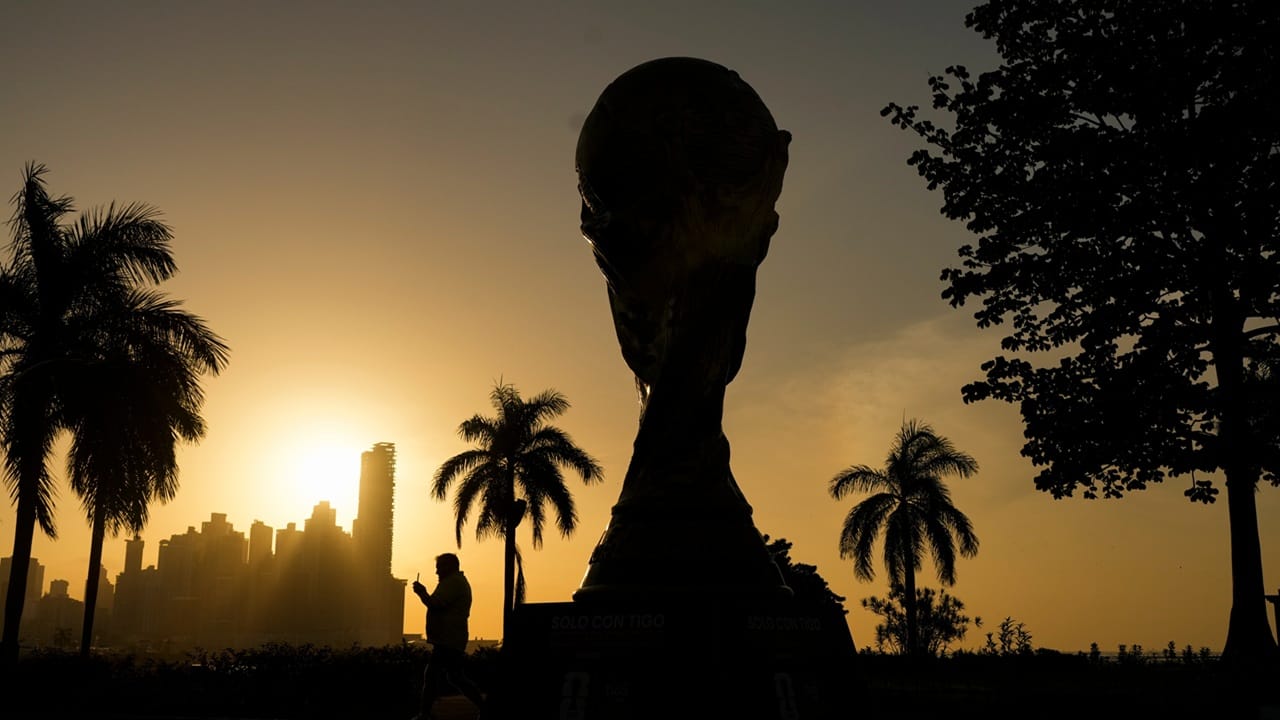
The 2026 FIFA World Cup, hosted jointly by Canada, Mexico, and the United States, represents a historic expansion of international football. For the first time in the tournament’s history, 48 nations will compete for the title, moving beyond the traditional 32-team format that defined the competition for decades. This shift in structure, confirmed by FIFA, marks a significant milestone in the sport’s global evolution as the governing body seeks to grow the game internationally across the North American continent.
As we approach the tournament, football fans and analysts alike are beginning to look toward the logistical framework of the competition. With 16 host cities across the three nations, the 2026 edition will be the most geographically diverse tournament to date. The expanded format will see teams divided into 12 groups of four, with the top two teams from each group and the eight best third-placed teams advancing to a new round of 32, creating a more intense knockout schedule than previous iterations.
A New Era for the FIFA World Cup
The decision to expand to 48 teams was formally adopted to increase participation and broaden the reach of the sport. According to FIFA statutes, the organization’s primary objectives include growing the game internationally and organizing high-level competition among its 211 national associations. The move to a 48-team tournament is the most significant change to the World Cup structure since the 1998 tournament, when the field was increased to 32 teams.
This expansion impacts the total number of matches played, with the 2026 tournament set to feature 104 games in total. The increased volume of fixtures necessitates a rigorous schedule, with teams playing in stadiums across three different time zones. For supporters, this means a denser concentration of matches during the group stage, which will serve as the opening act for the expanded knockout rounds.
North America Takes Center Stage
The 2026 World Cup will be hosted across 16 cities: Atlanta, Boston, Dallas, Guadalajara, Houston, Kansas City, Los Angeles, Mexico City, Miami, Monterrey, New York/New Jersey, Philadelphia, San Francisco, Seattle, Toronto, and Vancouver. This multi-national approach is a first for a single FIFA tournament, reflecting the scale of the infrastructure required to support 48 participating teams.

The logistical management of these venues is overseen by FIFA’s global office in Zurich, Switzerland, with regional support from its continental offices, including the Americas office located in Miami, United States. Coordination between these hubs is essential to ensure the tournament remains compliant with FIFA’s regulatory standards for international competition. The organization, founded in 1904, currently maintains a staff of over 700 to manage its global operations and facilitate events of this magnitude.
Anticipation for the 2026 Knockout Stages
With the expansion, the path to the final has become more complex. The addition of a round of 32 means that teams will need to demonstrate greater squad depth and physical endurance to survive the knockout phase. Analysts and former players often speculate on which nations possess the strongest attacking lineups or tactical discipline, but the reality of a 48-team tournament suggests that early-round upsets may become more frequent as lower-ranked nations face off against traditional favorites.
The tournament’s structure is designed to maintain the competitive integrity of the sport while providing more opportunities for national teams to compete on the world stage. As the date of the opening match approaches, the focus for the 211 member associations remains on the qualification process, which determines which nations will secure their place in North America. FIFA continues to provide updates on match scheduling, ticketing, and host city preparations through its official platform.
Next Steps and Official Updates
The build-up to the 2026 FIFA World Cup is a multi-year process involving constant coordination between the host cities and FIFA’s administrative bodies. Stakeholders and fans looking for verified information should monitor official announcements regarding final match timings and stadium-specific protocols. As of June 2026, the tournament preparations are entering their final phases, with specific match-day logistics being finalized by the organizing committees.
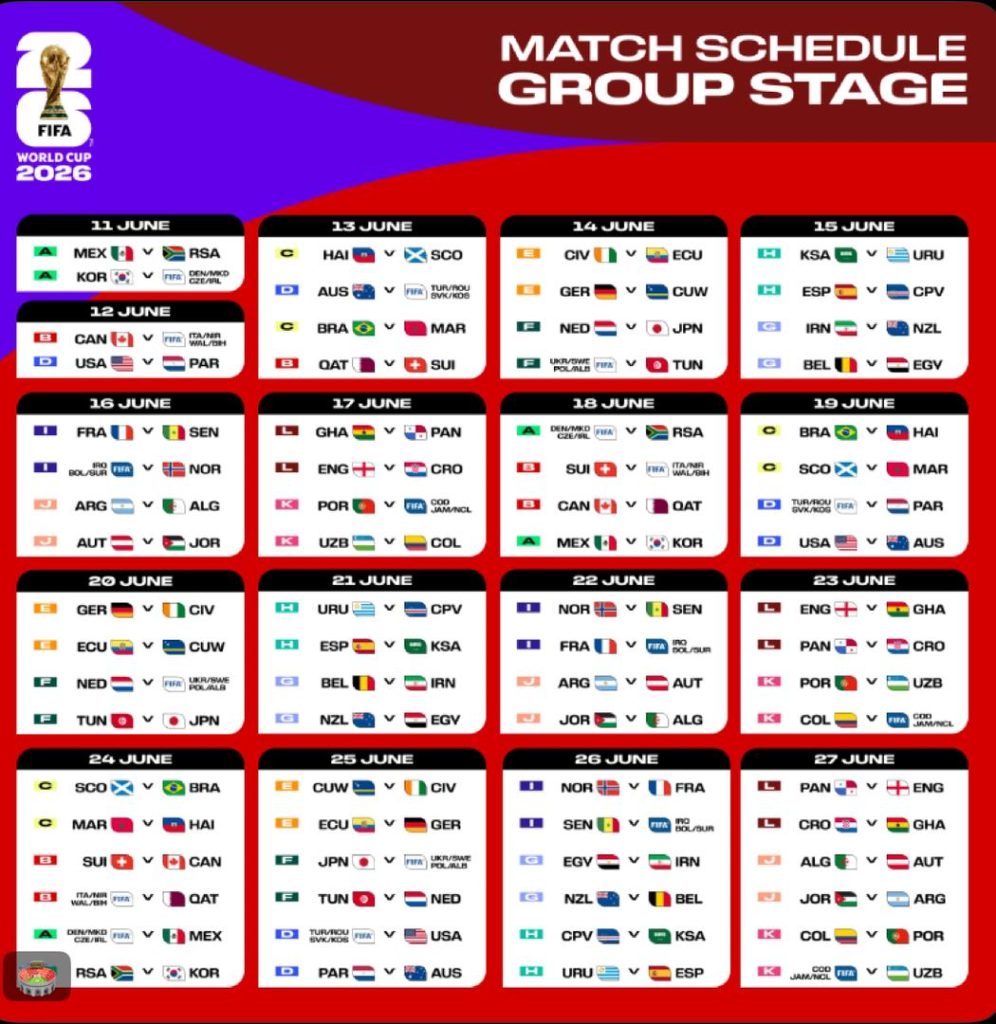
For those tracking the road to the final, official updates are regularly published via the FIFA official website. We will continue to provide analysis on the tournament’s progress, squad updates, and the tactical developments as the world’s best players prepare to descend on North America. We invite our readers to share their thoughts on the expanded format and their predictions for the tournament in the comments section below.
Worth a look