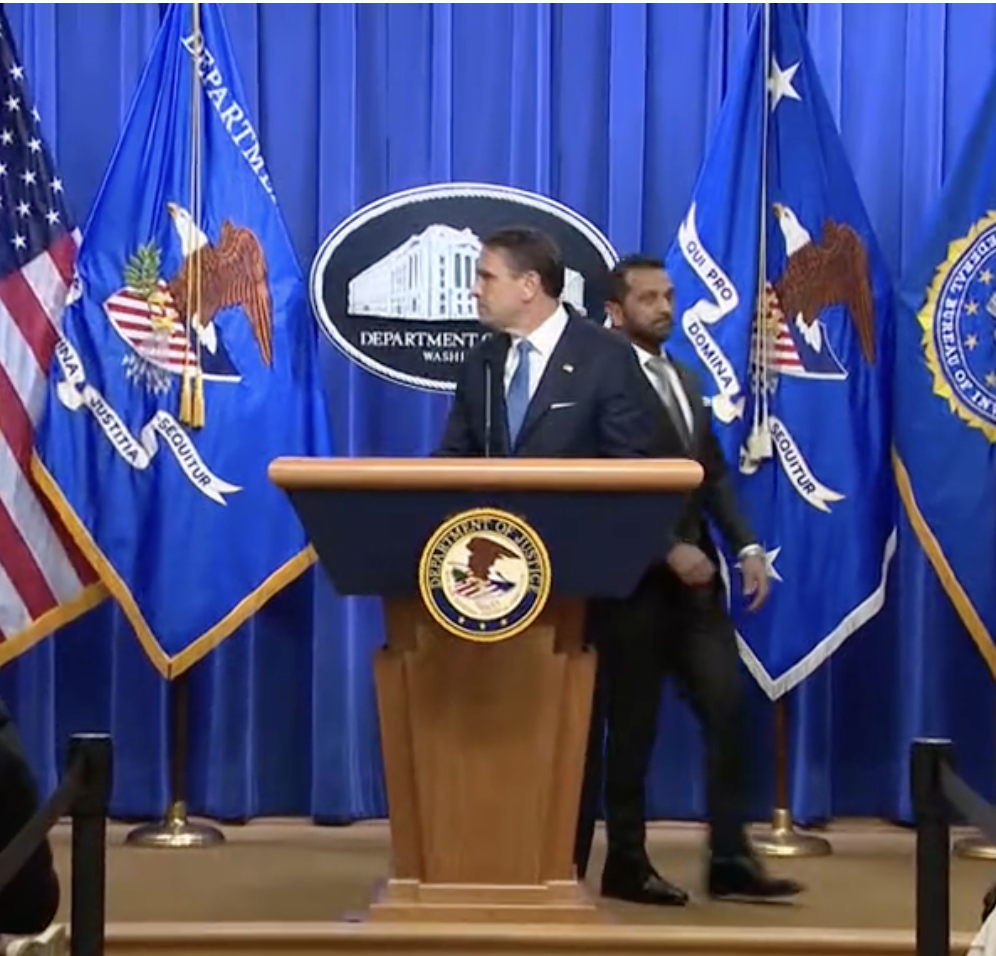
The U.S. Department of Justice has filed criminal charges against the Southern Poverty Law Center (SPLC), alleging fraud related to its paid informant program. The indictment, unsealed in early 2025, accuses the civil rights organization of defrauding donors by misrepresenting how funds were used to pay individuals who provided information on extremist groups. Prosecutors claim SPLC concealed payments to informants, violating federal wire fraud statutes. The case has drawn sharp criticism from legal experts and former prosecutors who question its legal foundation.
Jonathan Reed, Editor of News at World Today Journal, reports that the DOJ’s case centers on allegations that SPLC failed to disclose that some donor contributions were used to compensate individuals embedded within extremist organizations. According to the indictment, these payments were made without the knowledge or consent of donors who believed their money supported general advocacy and litigation efforts. The Justice Department argues this omission constitutes a scheme to defraud under 18 U.S.C. § 1343.
Legal analysts from Just Security have described the indictment as legally flawed, arguing that the DOJ misapplies fraud statutes to conduct that, while controversial, does not meet the legal threshold for criminal deception. Former federal prosecutors involved in the analysis contend that SPLC’s internal policies regarding informant compensation, though inadequately communicated, do not amount to actionable fraud under existing precedent. They emphasize that donors were not promised specific restrictions on how funds would be allocated beyond supporting the organization’s mission.
The Southern Poverty Law Center, founded in 1971 and headquartered in Montgomery, Alabama, has long been known for tracking hate groups and extremist activity through its Intelligence Project. Its informant program, which has operated for decades, involves individuals who provide insights into white supremacist, anti-government, and other extremist movements. SPLC maintains that such practices are standard in the field of threat assessment and are conducted with appropriate safeguards.
Donors to SPLC have publicly rejected the DOJ’s characterization of their contributions as fraudulent. In interviews with The Intercept, several long-time supporters stated they were aware that SPLC used funds to gather intelligence through confidential sources, including payments to individuals with access to extremist circles. One donor remarked, “We knew they were paying informants — that’s how they got the information that helped expose dangerous groups.” These accounts suggest a divergence between the DOJ’s portrayal of donor understanding and the actual knowledge of some contributors.
The indictment also omits a key legal element typically required in fraud cases: proof of specific intent to deceive. According to Bloomberg Law News, the DOJ did not allege that SPLC made false statements or concealed material facts with the deliberate aim of tricking donors into giving money. Instead, the charges rely on a theory of omission alone, which legal scholars argue is insufficient to sustain a wire fraud conviction without evidence of deceitful intent.
Former DOJ officials and ethics experts warn that the case risks setting a troubling precedent for how charitable organizations manage sensitive operational expenses. If upheld, the ruling could discourage nonprofits from engaging in necessary but discreet activities—such as intelligence gathering or undercover research—out of fear of prosecution. Civil liberties groups have expressed concern that the case may be politically motivated, given SPLC’s frequent criticism of far-right extremism and its clashes with conservative political figures.
In Michigan, a gubernatorial candidate faced renewed scrutiny over her past association with SPLC after the indictment was released. During a campaign event, she was asked what she knew about the organization’s informant program during her time as a consultant. She responded that her work focused on community outreach and that she was not involved in financial or operational decisions regarding intelligence gathering. The exchange highlighted how the DOJ’s action has reverberated beyond the courtroom into political discourse.
SPLC has denied any wrongdoing and asserted that its financial practices comply with nonprofit law and donor expectations. The organization has pledged to cooperate fully with the investigation while defending the legitimacy of its methods in combating extremism. It continues to publish its annual hate group report and maintain its legal docket targeting discriminatory practices nationwide.
As of April 2026, the case remains pending in federal court, with no trial date yet scheduled. Legal observers note that pre-trial motions challenging the sufficiency of the indictment are expected to play a decisive role in determining whether the case proceeds. The outcome could influence how courts interpret the boundaries of donor transparency and organizational accountability in the nonprofit sector.
For ongoing updates, readers are encouraged to review filings in the U.S. District Court for the Middle District of Alabama, where the case is docketed, or consult official statements from the Department of Justice and the Southern Poverty Law Center.
What are your thoughts on the DOJ’s case against the SPLC? Share your perspective in the comments below and help foster informed discussion on this important legal and civil rights issue.
Keep reading