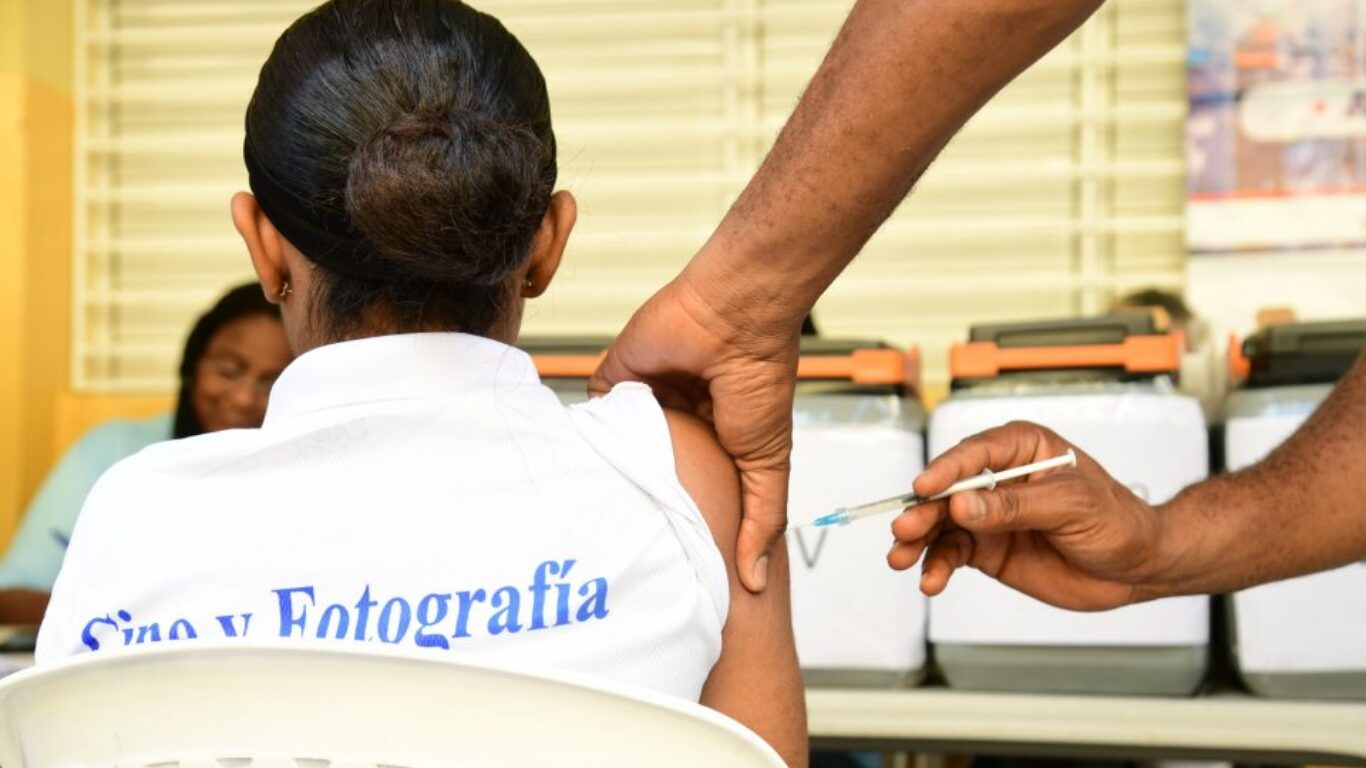
Santo Domingo, Dominican Republic – The Dominican Republic is bolstering its efforts to combat the human papillomavirus (HPV) with the introduction of a more comprehensive vaccine, the nonavalent HPV vaccine, into its national vaccination program. The Ministry of Health announced the rollout, scheduled for this Wednesday, March 11th, aiming to protect a broader range of the population against HPV-related diseases, including several cancers. This update represents a significant step forward in public health initiatives within the country.
The nonavalent vaccine offers protection against nine HPV types – 6, 11, 16, 18, 31, 33, 45, 52, and 58 – significantly expanding coverage compared to the previously used tetravalent vaccine. HPV is a common sexually transmitted infection, and certain strains can lead to cervical cancer, as well as other cancers including anal, oropharyngeal (throat), vulvar, vaginal, and penile cancers. The World Health Organization (WHO) estimates that HPV causes approximately 5% of all cancers globally, making preventative measures like vaccination crucial for public health. The WHO provides detailed information on HPV and its impact.
Expanding HPV Vaccine Coverage in the Dominican Republic
The launch event will capture place at the Hospital Infantil Dr. José Manuel Rodríguez Jiménez, formerly known as Santo Socorro, in Santo Domingo. The vaccine will be administered to children and adolescents aged 9 to 14 years old nationwide, free of charge. This age group is targeted as it represents a period before most individuals grow sexually active, maximizing the vaccine’s effectiveness. The Ministry of Health plans to distribute the vaccine through its 40 Provincial Health Directorates (DPS) and over 1,400 vaccination centers across the country, ensuring broad accessibility.
Previously, the Dominican Republic’s national vaccination scheme utilized the tetravalent HPV vaccine, which protected against HPV types 16 and 18, responsible for the majority of cervical cancer cases. Cervical cancer remains the second most frequent cause of cancer-related deaths among women in the Dominican Republic. Listin Diario reports on the previous vaccine’s impact. The introduction of the nonavalent vaccine builds upon this foundation, offering protection against five additional high-risk HPV types, thereby contributing to a more comprehensive approach to cancer prevention.
Dosage and Immunocompromised Individuals
A key feature of the updated vaccination schedule is the simplified dosage regimen. The nonavalent HPV vaccine will be administered as a single dose for most children and adolescents. However, individuals with compromised immune systems may require two doses to ensure adequate protection. This adjustment aligns with international guidelines and aims to improve vaccination rates by reducing the logistical challenges associated with multi-dose schedules. The Centers for Disease Control and Prevention (CDC) provides detailed guidance on HPV vaccination schedules, including recommendations for immunocompromised individuals. The CDC’s HPV vaccination information is available online.
The Ministry of Health emphasizes that the vaccination program is entirely free for all eligible children and young people. This commitment to accessibility is crucial for maximizing the impact of the program and reducing health disparities. The widespread availability of the vaccine through provincial health directorates and local vaccination centers underscores the government’s dedication to preventative healthcare.
The Importance of HPV Vaccination
HPV vaccination is recognized globally as a highly effective primary prevention strategy against HPV-related cancers and diseases. The vaccine works by stimulating the body’s immune system to produce antibodies that fight off HPV infection. While the vaccine does not protect against all HPV types, it provides significant protection against the most common cancer-causing strains.
Beyond cancer prevention, the nonavalent vaccine likewise protects against genital warts, caused by HPV types 6 and 11. These warts can be painful and distressing, and their prevention contributes to improved quality of life. The expanded coverage offered by the nonavalent vaccine represents a substantial advancement in HPV prevention efforts, offering a more robust defense against a wider range of HPV-related health issues.
Public Health Implications and Future Outlook
The introduction of the nonavalent HPV vaccine into the Dominican Republic’s national vaccination program is a testament to the country’s commitment to improving public health outcomes. By proactively addressing HPV-related diseases, the Ministry of Health aims to reduce the incidence of cervical cancer and other HPV-associated cancers, ultimately saving lives and improving the well-being of its citizens.
The success of this program will depend on continued efforts to raise awareness about the importance of HPV vaccination and to ensure equitable access to the vaccine for all eligible individuals. Ongoing monitoring and evaluation of the program’s impact will be essential for identifying areas for improvement and optimizing vaccination strategies. The Ministry of Health has not yet announced specific plans for monitoring the program’s effectiveness, but It’s expected that data on vaccination rates and HPV-related disease incidence will be collected and analyzed regularly.
The Dominican Republic’s move to adopt the nonavalent HPV vaccine aligns with a global trend towards more comprehensive HPV prevention strategies. Many countries around the world are now incorporating the nonavalent vaccine into their national vaccination programs, recognizing its superior protection against a wider range of HPV types. This collaborative effort to combat HPV globally is essential for achieving significant reductions in HPV-related cancers and diseases.
The next step for the Ministry of Health is the official launch event on Wednesday, March 11th, at the Hospital Infantil Dr. José Manuel Rodríguez Jiménez. Following the launch, the vaccine will be rolled out across the country through the established network of provincial health directorates and vaccination centers. Individuals with questions about the HPV vaccine or the vaccination program are encouraged to contact their local healthcare provider or the Ministry of Health for more information. We encourage readers to share this information with their communities and to participate in discussions about the importance of preventative healthcare.
Worth a look