
Iran remains undecided about participating in proposed indirect talks with the United States in Pakistan, according to multiple diplomatic sources familiar with the matter. The discussions, which would mark a potential shift in Tehran’s approach to ongoing regional tensions, come amid heightened scrutiny over Iran’s nuclear program and its support for allied groups across the Middle East. While no formal confirmation has emerged from Iranian officials, the possibility of engagement has drawn attention from international observers seeking de-escalation pathways.
The development follows recent statements by former U.S. President Donald Trump on his Truth Social platform, in which he claimed that U.S. Representatives would travel to Islamabad “tonight” for Iran negotiations. While, independent verification of these specific claims has not been confirmed by U.S. State Department officials or Pakistani foreign ministry sources as of the latest available information. Diplomatic channels typically involved in such backchannel communications have not publicly acknowledged the alleged movement of representatives to Pakistan’s capital.
Analysts note that any potential talks would likely focus on preventing further escalation between Iran and Israel, particularly after a series of direct exchanges earlier this year that raised concerns about broader regional conflict. The United States has consistently advocated for diplomatic solutions to curb Iran’s nuclear advancements while addressing its ballistic missile program and regional influence — issues that remain central to any negotiation framework.
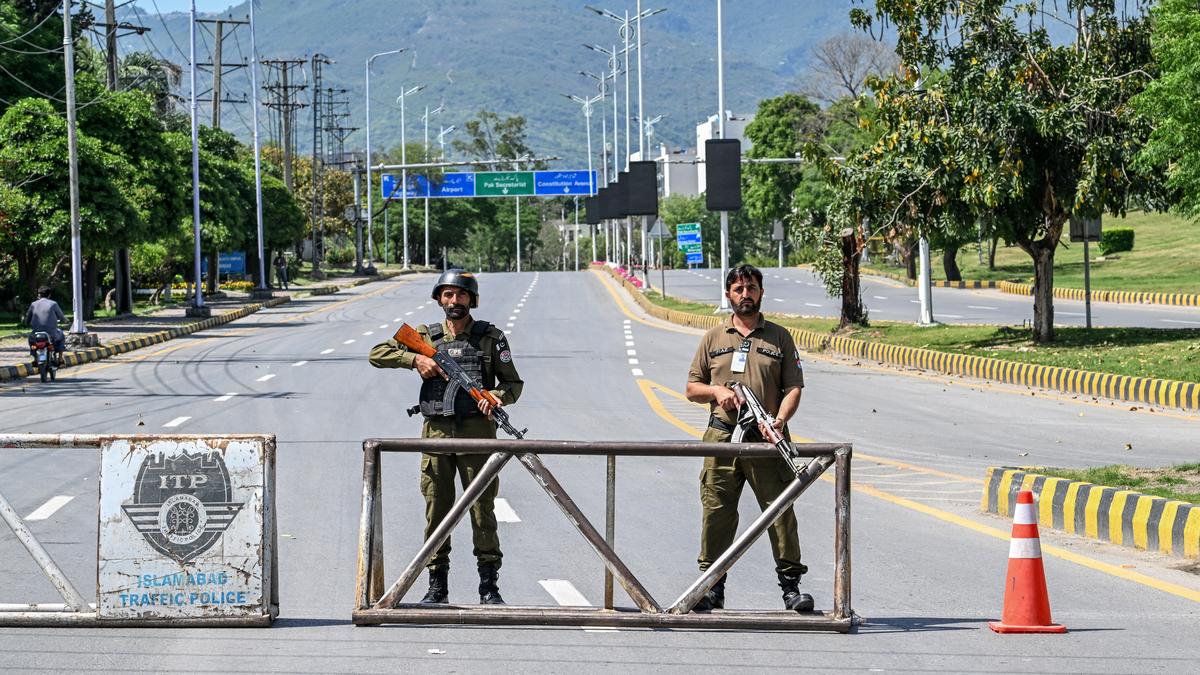
Pakistan, which maintains diplomatic relations with both Iran and the United States, has historically served as a venue for discreet diplomatic exchanges. Islamabad’s neutrality and geographic positioning make it a plausible location for backchannel talks, though Pakistani officials have not confirmed hosting any such meetings related to U.S.-Iran discussions at this time.
Iran’s internal deliberations appear to reflect competing priorities within its leadership. Hardline factions remain skeptical of engaging with the U.S., citing past violations of agreements such as the Joint Comprehensive Plan of Action (JCPOA), while more pragmatic elements within the government observe potential value in reducing international isolation and economic pressure through diplomatic engagement.
The International Atomic Energy Agency (IAEA) continues to monitor Iran’s nuclear activities, with recent reports indicating uranium enrichment levels approaching weapons-grade thresholds. These developments have intensified pressure on Tehran from Western nations, even as Iran insists its program remains purely civilian in nature.
For readers seeking updates on diplomatic developments, official statements from the U.S. Department of State U.S. Department of State and the Ministry of Foreign Affairs of the Islamic Republic of Iran Ministry of Foreign Affairs of Iran remain the most reliable sources. Similarly, the IAEA provides regular updates on nuclear verification efforts through its official channels.
As of now, no confirmed date or agenda has been established for potential talks in Pakistan. Both Washington and Tehran have emphasized that any dialogue would depend on mutual respect and realistic expectations — conditions that have historically proven difficult to meet in U.S.-Iran relations.
The situation remains fluid, with regional stakeholders closely monitoring for any signs of movement toward dialogue or further escalation. Observers suggest that the coming weeks may be critical in determining whether backchannel efforts can gain traction or if mistrust will continue to impede diplomatic progress.
What do you think about the prospects for U.S.-Iran dialogue in the current climate? Share your thoughts in the comments below and help spread informed discussion by sharing this article with others interested in global affairs.