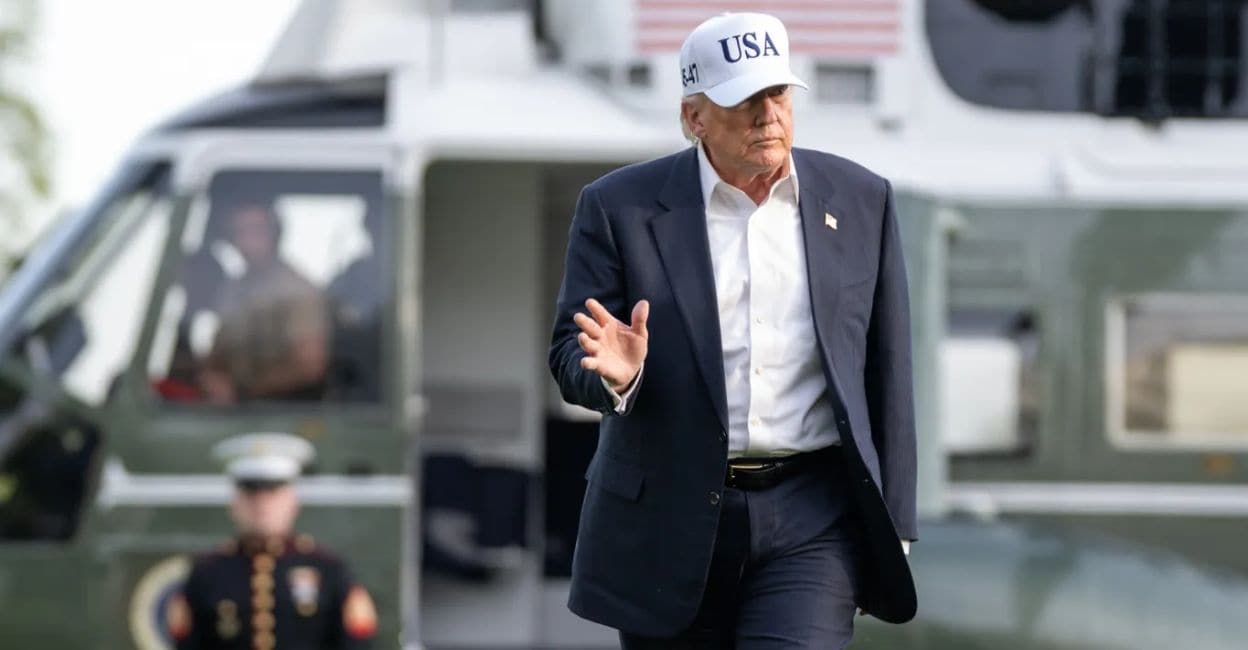
As the 2024 presidential campaign season intensifies, the public discourse surrounding the health and cognitive fitness of candidates has once again taken center stage. Former President Donald Trump has recently addressed questions regarding his own physical and mental stamina, responding to ongoing political criticism by reframing the narrative around his leadership style, and endurance.
In recent public remarks, the former president sought to counter accusations regarding his cognitive sharpness. Rather than distancing himself from the authoritarian labels often applied by his political opponents, Trump has leaned into a provocative rhetorical strategy, suggesting that voters should characterize him as a “brilliant” or “strong” leader rather than using disparaging terms. This pivot comes as part of a broader effort to maintain control over the public perception of his fitness for office as he navigates the rigorous demands of the campaign trail.
Addressing Cognitive Fitness and Public Perception
The conversation surrounding presidential health is a recurring theme in American politics, often amplified by the intense scrutiny of the 24-hour news cycle. Donald Trump has frequently faced questions about his age and cognitive health, mirroring the scrutiny directed at his political rivals. In response to these inquiries, he has publicly recounted his experience with a cognitive assessment, specifically referencing his performance on a test administered during his presidency. According to official records from the White House physician at the time, Dr. Ronny Jackson, Trump underwent a cognitive screening as part of his 2018 annual physical, where he reportedly achieved a perfect score on the Montreal Cognitive Assessment (MoCA), a tool used to screen for mild cognitive impairment. Official White House Archive: Statement from the President’s Physician.
The MoCA is not an IQ test but rather a brief clinical assessment designed to detect cognitive decline. The former president’s insistence on highlighting this test result is a calculated move to reassure his base and potential voters that he remains mentally equipped for the challenges of the presidency. By focusing on his performance on such assessments, he attempts to neutralize the “cognitive decline” narrative that has become a staple of modern political opposition.
The Rhetoric of Strength and Leadership
Beyond clinical assessments, the former president’s recent commentary reflects a deeper defiance of traditional political optics. When faced with criticism regarding his behavior, his energy levels, or his policy proposals, he frequently adopts a stance of unapologetic strength. His request to be referred to as a “strong” leader, rather than being dismissed by critics, serves to solidify his image among supporters who value a confrontational approach to governance.

This strategy is emblematic of a populist style that prioritizes authenticity—or at least the performance of it—over traditional diplomatic or measured discourse. For his supporters, these public assertions are viewed as evidence that he is unfazed by the media and his political adversaries. For his critics, however, these statements are often interpreted as further evidence of an erratic temperament that is unsuited for the highest office in the land.
Campaign Strains and Media Scrutiny
The physical demands of a presidential campaign are immense, involving constant travel, public appearances, and high-pressure debates. Reports from various mainstream outlets have periodically focused on the former president’s appearance or demeanor during long events, leading to speculative headlines about his health. However, such reports often lack clinical verification, relying instead on visual snapshots or subjective interpretations of his behavior at rallies or meetings.
It remains a significant challenge for voters to separate genuine medical concerns from political theater. The standard for presidential medical transparency has evolved significantly over the decades, yet it remains largely at the discretion of the candidate. While the 25th Amendment provides a framework for addressing presidential inability, the determination of “fitness” remains a largely political, rather than purely medical, judgment in the public eye. The U.S. Constitution: Article II, Section 4.
Contextualizing the Debate
As the election cycle continues, the focus on health will likely persist as a primary battleground. Both major political parties are increasingly using the perceived vulnerabilities of their opponents to question their fitness for power. This trend is not unique to the current cycle but has become significantly more polarized in the digital age.
The former president’s insistence on his own vitality is a crucial component of his campaign strategy. By framing the discussion on his own terms, he forces his opponents to respond to his narrative, effectively turning potential liabilities into points of debate that resonate with his core demographic. As the campaign heads toward the next series of primary contests and general election debates, voters will continue to weigh these performances against their own expectations of leadership.
Key Considerations for Voters
- Medical Transparency: Historically, candidates have released varying levels of medical documentation. Voters often have to rely on summaries provided by personal physicians rather than independent, third-party medical boards.
- Cognitive Screenings: While tools like the MoCA provide a snapshot of cognitive function, they are limited in scope and do not serve as a comprehensive evaluation of a person’s ability to manage the complex duties of the presidency.
- Political Framing: Language regarding “fitness” is often used as a political weapon. Distinguishing between a legitimate medical concern and a rhetorical attack is an essential task for an informed electorate.
As we monitor the situation, the next major checkpoint for the campaign will be the upcoming televised debates, which provide the most public, unscripted venue for voters to observe the candidates’ stamina and cognitive agility in real time. We encourage our readers to examine official campaign filings and medical disclosures directly when they are made available, and we invite you to share your thoughts on the importance of medical transparency in modern elections in the comments section below.
Worth a look