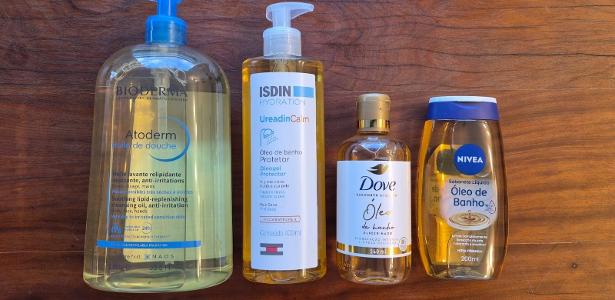
The self-care market continues to boom, with consumers increasingly seeking ways to elevate their daily routines. One product category experiencing a surge in popularity is bath oil. Promising to transform a simple soak into a luxurious, skin-nourishing experience, bath oils are touted for their ability to combat dryness, soothe sensitive skin, and even extend a summer tan. But with a growing number of options available, determining which bath oil delivers on its promises can be challenging. Recent testing by Brazilian consumer guide UOL offers some insights, highlighting Dove’s bath oil as a standout choice for those with sensitive and dry skin.
The appeal of bath oils lies in their gentle cleansing action and hydrating properties. Unlike traditional soaps, which can strip the skin of its natural oils, bath oils work to replenish moisture while cleansing. This makes them particularly beneficial during colder months when skin is more prone to dryness, or for individuals with conditions like eczema or psoriasis. The trend has been fueled by social media, with reels and videos showcasing the aesthetic and therapeutic benefits of adding oil to bathwater. However, the effectiveness of these products can vary significantly depending on the formulation and individual skin type.
Dove Bath Oil: A Focus on Sensitive Skin
According to testing conducted by UOL’s Guia de Compras, the Dove bath oil distinguishes itself through its focus on natural ingredients and a glycerin-rich formula. Glycerin is a humectant, meaning it attracts moisture to the skin, helping to keep it hydrated. The Dove formulation as well boasts 96% ingredients of natural origin, a feature that resonated with testers who have sensitive skin. This emphasis on gentle, skin-friendly ingredients positions Dove’s offering as a reliable option for those prone to irritation or allergic reactions.
The UOL review noted the Dove bath oil’s lighter texture compared to other products tested, which contributes to easy spreading and a soft, manageable foam. This represents a significant advantage for those who prefer a less heavy or oily feel in the bath. The formula’s ability to create a gentle lather also suggests it effectively cleanses without being overly stripping. Dove is a well-established brand in the personal care industry, owned by Unilever, a multinational consumer goods company headquartered in London, England. Unilever reported a global turnover of €60.3 billion in 2023, demonstrating its significant market presence.
Cost and Accessibility
One of the appealing aspects of the Dove bath oil, according to the review, is its affordability. Priced around R$30 (approximately $6 USD as of March 6, 2026, based on current exchange rates), it falls within a similar price range as other popular options like Nivea bath oil. This makes it an accessible option for a wider range of consumers. The availability of Dove products is also widespread, with the brand sold in most major retailers and drugstores globally.
Fragrance Considerations
While the Dove bath oil received positive marks for its formula and texture, the fragrance was a point of contention for the UOL tester. Described as overly “oily” and reminiscent of almond oil, the scent wasn’t as appealing as those of other bath oils tested. Fragrance preference is highly subjective, and what one person finds unpleasant, another may enjoy. However, for those sensitive to strong or specific scents, this is a factor to consider. It’s important to note that fragrance allergies are relatively common, and choosing a lightly scented or fragrance-free option can be beneficial for individuals with sensitivities.
Beyond Dove: A Growing Market
The UOL review also tested three other bath oils: Bioderma Atoderm, Nivea, and an unnamed fourth brand. Bioderma Atoderm stood out for its lightweight texture and suitability for individuals with dermatitis atópica and skin allergies, but came with a higher price tag (R$278.91 for a 1-liter bottle). The Nivea oil was noted for its similar price point to Dove, while the fourth oil’s details were not specified in the provided source. This highlights the increasing diversity of options available in the bath oil market, catering to a range of skin types, preferences, and budgets.
The rising popularity of bath oils aligns with a broader trend towards self-care and wellness. Consumers are increasingly prioritizing products that offer both functional benefits and a sensory experience. The ritual of adding oil to a bath can be seen as a form of mindful self-care, providing a moment of relaxation and rejuvenation in a busy world. The promise of hydrated, nourished skin is an added bonus.
As the market continues to evolve, we can expect to see further innovation in bath oil formulations, with brands incorporating new ingredients and technologies to enhance their efficacy and appeal. Ingredients like colloidal oatmeal, known for its soothing properties, and essential oils, prized for their aromatherapy benefits, are likely to develop into more prevalent. The focus on sustainability and natural ingredients will also likely continue to grow, as consumers become more conscious of the environmental impact of their purchases.
Looking ahead, the demand for bath oils is expected to remain strong. The global bath and shower oil market was valued at $785.7 million in 2023 and is projected to reach $1.08 billion by 2032, growing at a compound annual growth rate (CAGR) of 3.5% from 2024 to 2032, according to a report by Allied Market Research. Allied Market Research attributes this growth to increasing disposable income, rising awareness of personal hygiene, and the growing trend of aromatherapy.
The Dove bath oil, with its focus on gentle ingredients, affordability, and accessibility, appears to be a strong contender in this expanding market. While fragrance preferences are subjective, its overall performance and suitability for sensitive skin make it a worthwhile option for those seeking a nourishing and relaxing bath experience.
The next step for consumers interested in exploring bath oils is to consider their individual skin type and preferences. Reading product reviews, checking ingredient lists, and potentially trying sample sizes can help ensure a satisfying and beneficial experience. As the market continues to innovate, staying informed about new products and formulations will be key to finding the perfect bath oil for your needs.
Worth a look