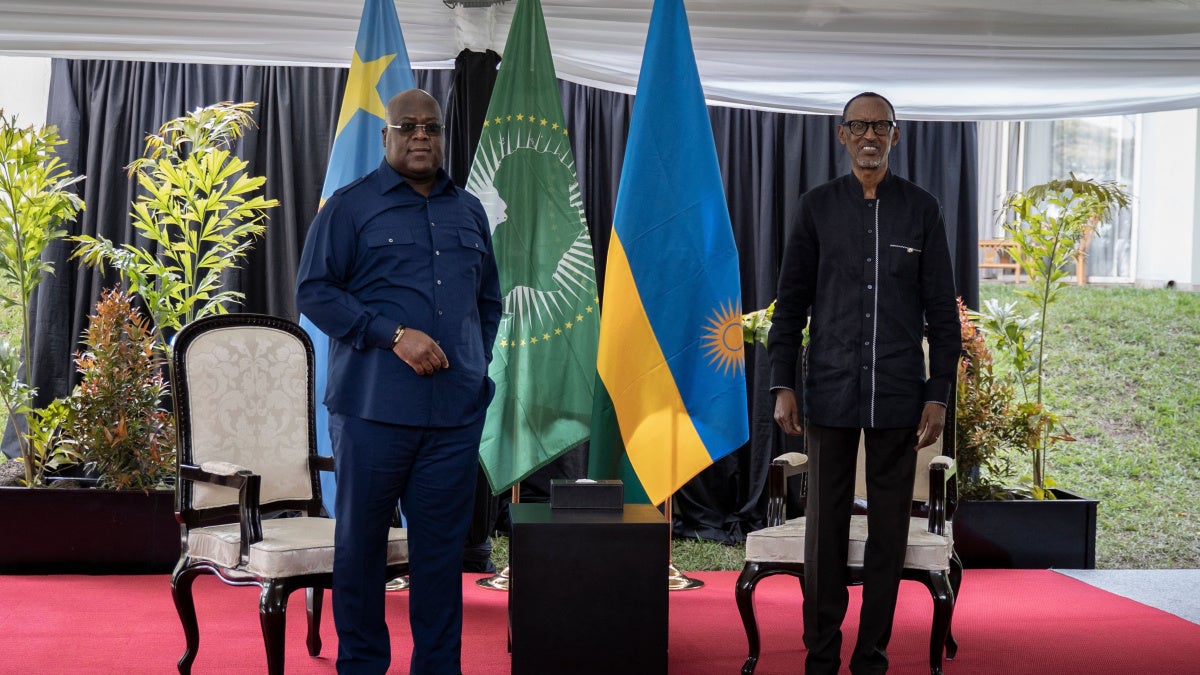
Fragile hope: Assessing the DRC-Rwanda Accord and the Path to lasting Peace
A new accord signed today between the Democratic Republic of Congo (DRC) and Rwanda, brokered at the White House, offers a potential turning point in a decades-long cycle of conflict. While hailed as a breakthrough for regional cooperation, it’s crucial to approach this agreement with cautious optimism. history demonstrates that signatures on paper are rarely enough to guarantee peace, especially in a region plagued by deep-seated issues of impunity and ongoing violence.
Understanding the Context: Why This Accord Matters
Eastern DRC has been gripped by instability for years, fueled by armed groups, resource exploitation, and cross-border tensions with Rwanda. The recent surge in violence, particularly attributed to the M23 rebel group – widely believed to be backed by Rwanda – has exacerbated the humanitarian crisis and undermined regional stability. You’ve likely followed reports of escalating atrocities and displacement. This accord aims to address these issues through a framework of economic cooperation and security measures.
What the Accord Promises (and Doesn’t)
The agreement outlines several key commitments,including:
* Troop Withdrawal: A commitment from rwanda to remove its troops from Congolese territory.
* Economic Cooperation: Joint economic projects aimed at fostering stability and growth.
* Peacekeeping Measures: Provisions for some peacekeeping efforts, though details remain vague.
However, the accord falls short in several critical areas. It lacks robust, enforceable mechanisms to ensure compliance. As we’ve seen with previous agreements - like the one signed in June – commitments alone don’t translate into tangible improvements on the ground.
A History of Broken Promises
It’s vital to remember past failures. human rights Watch has documented a disturbing pattern of atrocities continuing even after agreements are signed. Before the ink was even dry on the June framework, thier researchers documented massacres by the rwandan-backed M23 in Rutshuru. This underscores a essential truth: signatures don’t protect civilians.
The core Problem: Impunity
The most significant obstacle to lasting peace isn’t a lack of agreements, but a pervasive culture of impunity. Commanders responsible for massacres, forced displacement, and the recruitment of child soldiers continue to operate with little fear of consequence. Key military and government officials implicated in supporting abusive proxy forces face minimal scrutiny.
Without accountability, any new economic or security arrangements will be undermined. Those acting unlawfully will remain unrestrained. This is a critical point you need to understand.
What Needs to Happen Now?
For this accord to have a real impact, several key steps are essential:
- Justice and Accountability: bringing those responsible for serious crimes to justice is paramount.This includes investigating and prosecuting individuals implicated in atrocities, regardless of their position or affiliation.
- End Support for Abusive Groups: Rwanda and the DRC must promptly cease all support – direct or indirect – for armed groups operating in the region.
- Protect Civilians: Prioritizing the protection of civilians must be at the forefront of all efforts.This requires strengthening security forces, improving early warning systems, and ensuring access for humanitarian aid.
- Meaningful Economic Investment: The economic framework of the accord must translate into tangible benefits for local communities. This means investing in job creation,infrastructure development,and improved livelihoods.
- Regional Engagement: The european Union and other international partners must remain actively engaged, pressing both Congo and Rwanda to fulfill their commitments.
The Role of the M23 and Local Communities
There’s little reason to believe the M23, currently occupying significant territory in North and South Kivu, will fully adhere to the accord’s economic provisions. Though, if the agreement is to deliver real benefits, greater investment and revenue from mining operations are crucial. This requires addressing demobilization, civilian protection, and, above all, accountability.
A Path Forward: Justice Over Expediency
This accord presents an opportunity, but it’s a fragile one. Unless governments in the region prioritize justice over short-term political expediency, it risks becoming just another empty promise. The people of the DRC deserve more than repeated cycles of violence and broken agreements. They deserve
Related reading