
Drug-related offenses in France, particularly within the Rhône department, continue to show a sustained upward trend as of 2025, according to data from the French Ministry of the Interior. This persistent rise in narcotics-related infractions reflects broader national challenges in law enforcement, public health, and the management of urban security, with authorities reporting significant increases in both consumption-related arrests and organized trafficking investigations.
The Rhône department, anchored by the city of Lyon, remains a focal point for state security services. According to the French Ministry of the Interior’s annual statistical report on criminality, the escalation in drug-related police interventions is driven by a dual strategy: increased street-level surveillance and targeted operations against organized criminal networks. These figures, which track both arrests for possession and the dismantling of distribution networks, provide a window into the evolving nature of the illicit drug trade in one of France’s most densely populated regions.
Drivers of the Statistical Rise
The increase in reported drug offenses is not solely a result of rising consumption but also reflects changes in policing tactics. Interior Ministry data indicates that law enforcement agencies have intensified “pilonnage” operations—a strategy involving the systematic dismantling of drug trafficking points in sensitive urban zones. By focusing on these hubs, police report a higher volume of recorded offenses, which contributes to the statistical surge observed in recent years.
Beyond enforcement, public health agencies have noted an evolution in the types of substances circulating in the region. The French Monitoring Centre for Drugs and Drug Addiction (OFDT) has observed that while cannabis remains the most commonly seized substance, there is a marked diversification in the synthetic drug market. This shift complicates traditional policing, as authorities must now contend with both localized trafficking networks and the digital, decentralized sale of newer, potent substances.
The Regional Impact on the Rhône
In the Rhône, the phenomenon is particularly visible in the metropolitan area of Lyon. Local authorities have implemented specific security measures to address the concentration of trafficking in certain neighborhoods. According to statements from the Prefecture of the Auvergne-Rhône-Alpes region, the aim is to disrupt the supply chain at the source while simultaneously providing social support to vulnerable populations affected by drug-related violence.
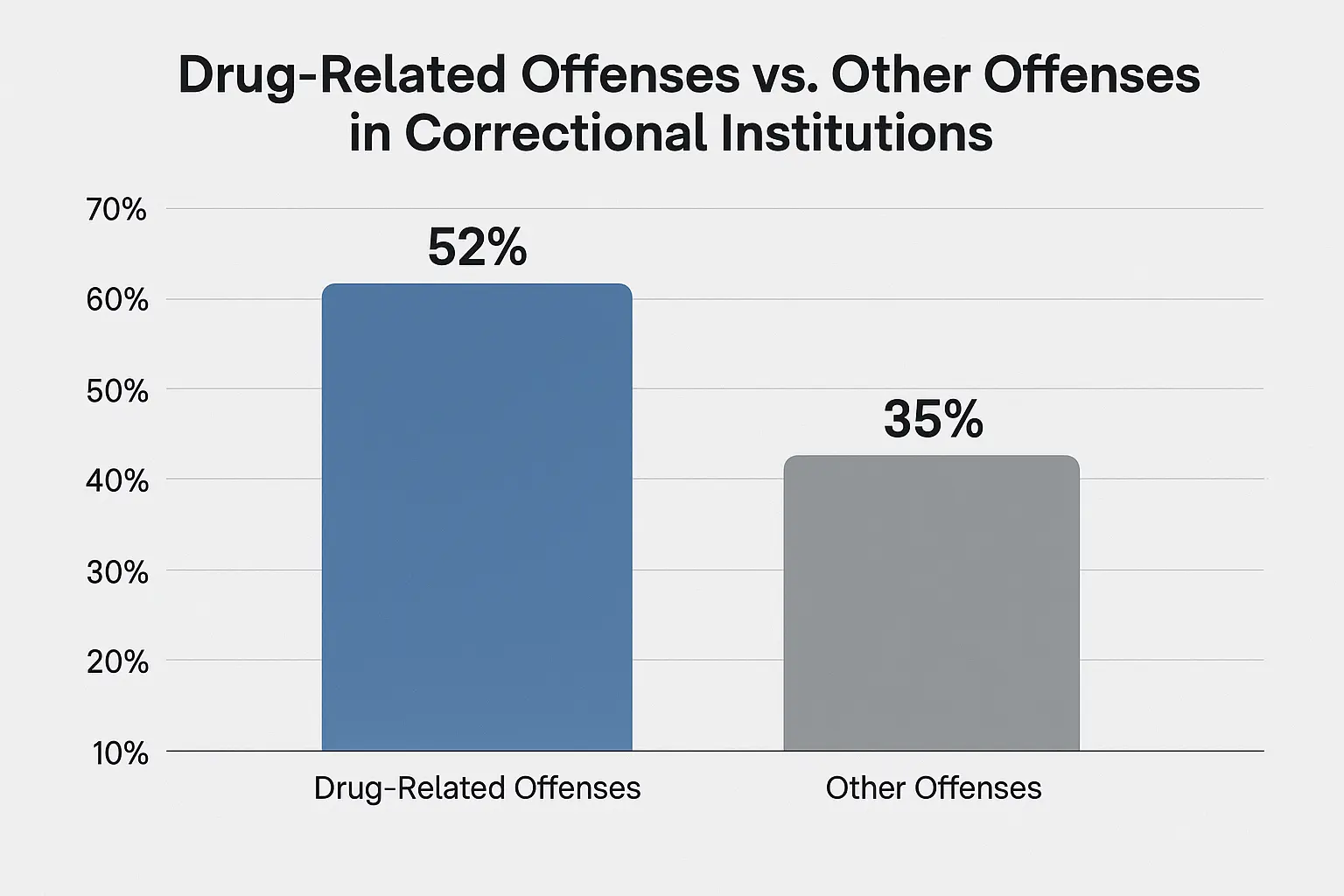
The socioeconomic impact of this trend is significant. Residents in affected areas frequently report concerns regarding security and the quality of life, prompting calls for more permanent police presence. The government’s response, as detailed in the national security budget frameworks, emphasizes the need for a collaborative approach involving judicial authorities, local police, and social services to address the root causes of the drug trade rather than focusing solely on punitive measures.
Comparing Trends and Future Policy
When comparing current figures to historical data from the previous decade, the shift toward more aggressive, high-frequency police interventions is clear. While some analysts argue that these statistics reflect a successful increase in police activity, others point out that the persistence of the market suggests that traditional enforcement alone may not be sufficient to curb demand.
The French government is expected to release its updated national strategy on drug prevention and enforcement later this year. This policy document will likely address the integration of new technology in monitoring trafficking routes and the potential for increased funding for local harm-reduction initiatives. As the situation evolves, the effectiveness of these measures remains a subject of intense debate within the French National Assembly and among local elected officials.
What Happens Next
The next major checkpoint for this issue will be the publication of the mid-year security assessment by the Ministry of the Interior, which is scheduled for late 2025. This report will provide further clarity on whether the current upward trend in drug-related infractions is stabilizing or continuing to accelerate. Additionally, upcoming legislative sessions are expected to address new proposals for enhancing judicial efficiency in processing narcotics-related cases.
For those interested in the official response, the National Police regularly updates its portal with safety advisories and information on community policing initiatives. We encourage our readers to share their thoughts on these developments or to follow our ongoing coverage as we track these significant shifts in regional security. Join the conversation in the comments below.
Keep reading