Escaping the Escalation: Tennis Players Navigate Middle East Conflict After Fujairah Tournament Cancellation
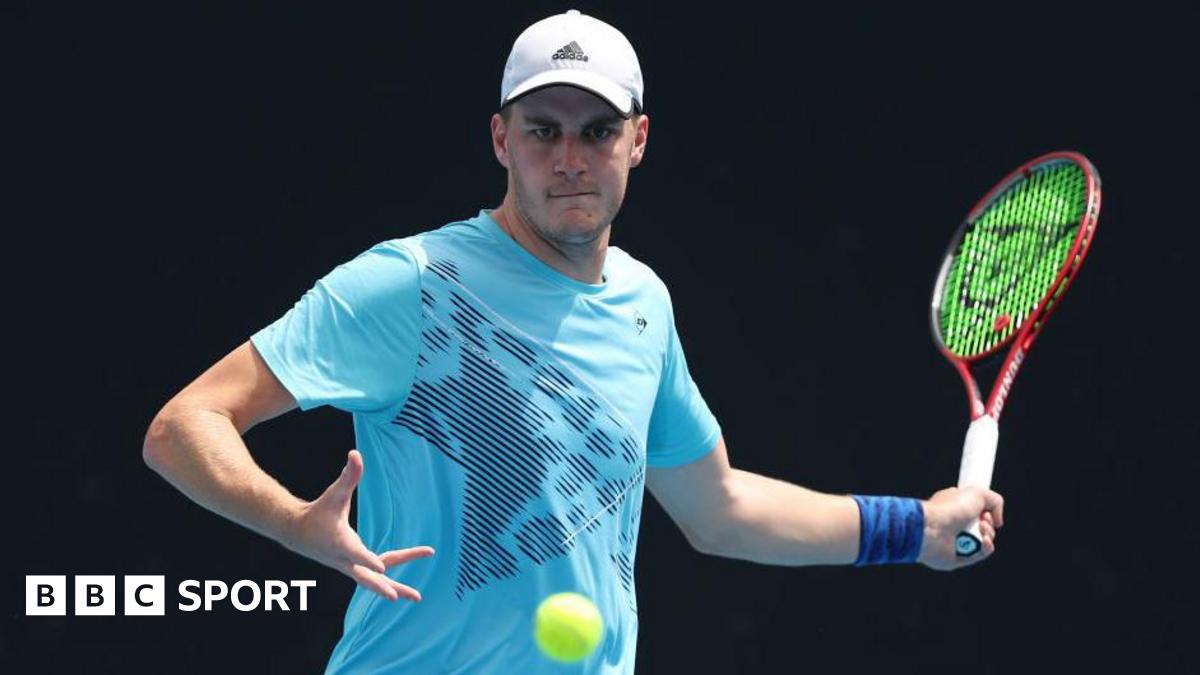
The ATP Challenger Tour event in Fujairah, United Arab Emirates, was abruptly cancelled on March 3, 2026, following escalating tensions and drone strikes in the region. The swift decision left dozens of tennis players, including British players Zach Stephens and Max Basing, scrambling to secure safe passage out of the country. While the ATP and airline officials worked to arrange flights, the situation highlighted the increasing challenges of staging sporting events in areas facing geopolitical instability. The incident has sparked criticism of the ATP’s initial decision to proceed with the tournament despite growing regional threats, and raised questions about crisis management protocols for athletes competing internationally.
The 2026 Fujairah Open, the first edition of the tournament, had commenced on March 2nd, but was halted mid-competition when a nearby oil terminal was struck by debris from a drone attack. Players, including Ukrainian Vladyslav Orlov, reported hearing fighter jets overhead during matches, creating a palpable sense of unease. The tournament’s cancellation followed shortly after, alongside a second scheduled event at the same venue the following week. The safety and wellbeing of players and tournament personnel were cited as the primary reason for the decision, according to an ATP spokesperson. This incident underscores the delicate balance between maintaining sporting schedules and prioritizing the safety of athletes in a volatile global landscape.
Initial Concerns and the Decision to Proceed
The decision to initially proceed with the Fujairah Open despite rising tensions drew scrutiny from players and observers alike. The United Arab Emirates had reach under attack following retaliatory strikes by Iran in response to US-Israeli actions. Australian player James McCabe expressed surprise that play was allowed to continue, stating that governments were advising people to seek shelter. According to a report by the BBC, the ATP held discussions with the local government before deciding to move forward, assessing the viability of continuing the tournament. However, the situation rapidly deteriorated, leading to the eventual cancellation.
The ATP’s initial assessment focused on the perceived localized nature of the threats. Tour sources, as reported by the BBC, indicated that players were advised to remain at the official hotel, where they would be safest. Flights from Dubai International Airport were preferred for departure, due to the short distance and concerns about border crossings. This strategy reflected a belief that the risks could be contained, but the attack on the nearby oil terminal demonstrated the potential for escalation and the limitations of relying solely on local government assurances.
A Hasty Exit and Mixed Reactions
Following the attack, the situation quickly became chaotic as players sought to leave the region. Henry Patten, a British tennis player, recounted the experience, noting the initial lack of clear guidance. Initially, the ATP offered players the possibility of a chartered flight from Muscat, but officials from Emirates airline soon intervened, assisting with booking commercial flights. Patten, like many others, found European destinations fully booked and ultimately secured a flight via Cairo for the following morning. ESPN reported that the ATP was exploring options to help players leave the country, including a potential charter flight for a fee of €5,000 ($5,801 as of March 4, 2026).
Patten expressed mixed feelings about the ATP’s handling of the situation. While acknowledging the difficulty of the circumstances and praising the efforts of ATP representatives Arnau Brugues and Hans-Juergen Ochs, he criticized the communication from ATP CEO Eno Polo. Patten described a call from Polo offering a flight with limited information as lacking empathy, particularly given the CEO’s apparent composure during the conversation. He suggested that a more robust crisis management plan on the ground would have been beneficial, given the known geopolitical tensions in the region. Patten’s comments highlight the importance of clear, compassionate communication and proactive planning when dealing with athlete safety in unstable environments.
Criticism of the ATP and Calls for Improved Protocols
The ATP’s decision-making process has faced criticism from several players and observers. Some questioned why the tournament was allowed to begin in the first place, given the escalating regional conflict. Finn Bass, another British player, voiced his disbelief on X (formerly Twitter) that the event had not been cancelled sooner, calling it “madness.” The incident has prompted calls for a review of the ATP’s risk assessment protocols and crisis management procedures for tournaments held in politically sensitive areas.
The situation in Fujairah underscores the increasing need for sporting organizations to prioritize athlete safety above all else. This includes conducting thorough risk assessments, establishing clear communication channels, and developing comprehensive evacuation plans. The incident also raises questions about the responsibility of governing bodies to provide adequate support to players during times of crisis, including financial assistance for travel and accommodation. The ATP’s response, while ultimately prioritizing player safety by cancelling the tournament, has highlighted areas for improvement in its crisis management capabilities.
The Wider Context: Geopolitical Tensions and Sporting Events
The cancellation of the Fujairah Open is part of a broader trend of sporting events being disrupted by geopolitical tensions. The Middle East, in particular, has become a focal point for conflict and instability, posing significant challenges for organizers of international competitions. The region’s strategic importance and complex political landscape make it vulnerable to external threats, as demonstrated by the recent attacks on the UAE.
The incident serves as a stark reminder of the risks associated with staging sporting events in volatile regions. While sports can play a unifying role, they are also susceptible to being caught in the crossfire of political conflicts. Organizers must carefully weigh the potential risks and benefits before proceeding with events in such areas, and prioritize the safety and security of all participants. The recent escalation in the Middle East has undoubtedly raised the bar for risk assessment and crisis management in the world of professional sports.
The 2026 Fujairah Open was scheduled to be the first edition of the tournament, part of the 2026 ATP Challenger Tour. The singles main-draw entrants included Lloyd Harris (RSA, ranked 152), Jason Kubler (AUS, ranked 206), James McCabe (AUS, ranked 213), Zhou Yi (CHN, ranked 225), Frederico Ferreira Silva (POR, ranked 240), Rio Noguchi (JPN, ranked 244), Sun Fajing (CHN, ranked 267), and Sascha Gueymard Wayenburg (FRA, ranked 268). Wildcards were awarded to Chung Hyeon, Cruz Hewitt, and Zach Stephens, while Ivan Ivanov, Max Schönhaus, and Thomas Faurel gained entry through accelerator programs. Max Basing, Yuta Shimizu, and Shin San-hui entered as alternates, and Vladyslav Orlov and Wu Tung-lin qualified for the main draw. As detailed on Wikipedia, the tournament was ultimately cancelled due to safety concerns related to the 2026 Iran conflict.
Looking ahead, the ATP will likely conduct a thorough review of its security protocols and crisis management procedures. The immediate priority remains ensuring the safe return of all players and personnel from the region. The incident serves as a critical learning experience for the ATP and other sporting organizations, highlighting the importance of proactive planning and effective communication in navigating the challenges of geopolitical instability. The next scheduled ATP Challenger event will be closely monitored for any adjustments to safety protocols.
What are your thoughts on the ATP’s handling of the situation in Fujairah? Share your comments below and let us know what steps you think sporting organizations should take to protect athletes in volatile regions.
Worth a look