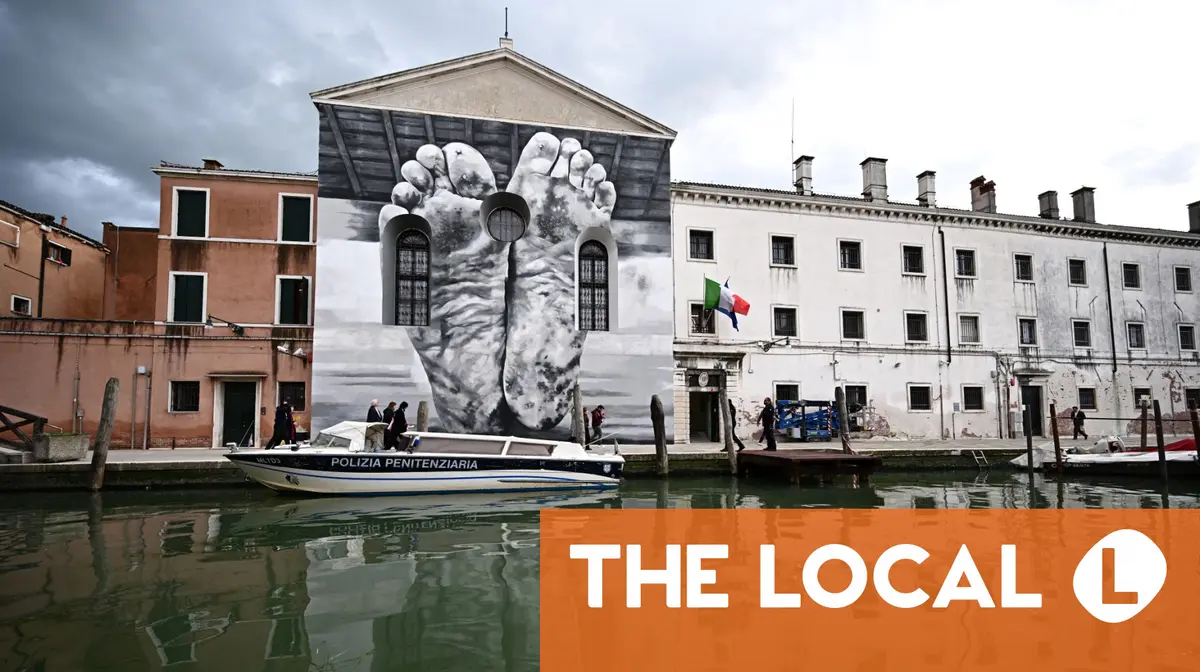
Venice, Italy – The decision by the Venice Biennale to allow Russia’s participation in this year’s prestigious international art exhibition has ignited a firestorm of criticism, drawing condemnation from governments and cultural figures across Europe. The move, announced earlier this week, marks Russia’s return to the Biennale for the first time since its full-scale invasion of Ukraine in 2022, a decision many observe as a premature attempt at normalizing relations with a nation accused of ongoing atrocities. The 60th International Art Exhibition will run from May 9 to November 22, 2026.
The controversy centers on the Biennale’s stated commitment to remaining a platform for dialogue, even amidst geopolitical conflict. Biennale President Pietrangelo Buttafuoco, appointed in March 2024, has defended the inclusion of Russia, arguing that the event should be a space for artists “from all the war zones” to share their perspectives. “We believe that where there is art, there is dialogue,” Buttafuoco told the Italian daily La Repubblica. But, critics argue that extending an invitation to Russia effectively legitimizes a regime accused of war crimes and undermines international efforts to isolate Moscow. This debate highlights the complex intersection of art, politics, and cultural diplomacy in a world grappling with ongoing conflict.
Government Opposition and International Backlash
The Italian government, despite its strong support for Ukraine, has stated that the Biennale Foundation made the decision to invite Russia independently. Italy’s Culture Ministry issued a statement clarifying that the move was made “entirely independently by the Biennale Foundation, despite the Italian government’s opposition.” However, this distinction has done little to quell the outrage. Prime Minister Giorgia Meloni’s government has publicly expressed its disapproval of Russia’s inclusion, signaling a clear divergence between Rome’s political stance and the Biennale’s artistic direction.
Lithuania has been particularly vocal in its condemnation. Lithuanian Foreign Minister Kestutis Budrys took to X (formerly Twitter) to denounce the decision, stating that it was akin to “rolling out the red carpet to Russia’s dark cultural diplomacy” and calling it “abhorrent.”
Rolling out the red carpet to Russia’s dark cultural diplomacy is abhorrent. The Venice Biennale’s decision to invite Russia to participate in this year’s exhibition is a slap in the face to Ukraine and all those who stand for freedom, and democracy.
— Kestutis Budrys (@KBudrys) March 7, 2026
A cross-party group of Members of the European Parliament (MEPs) further amplified the criticism, publishing a letter to Biennale organizers condemning Russia’s participation as “unacceptable.” The MEPs warned that the decision “risks lending legitimacy to a regime responsible for ongoing violence and will inevitably damage the reputation and moral standing of the Biennale itself.” The letter underscores the growing concern within European political circles that allowing Russia to participate in international cultural events could be interpreted as a softening of resolve against Moscow’s aggression.
A Shift in Cultural Boycotts?
Russia’s absence from the Biennale in 2022 and 2024 followed a wave of international cultural boycotts initiated in response to the invasion of Ukraine. In 2022, the artists and curator initially selected to represent Russia withdrew their participation in protest. Biennale organizers at the time praised this decision, condemning “all those who leverage violence to prevent dialogue and peace.” However, the 2026 decision signals a potential shift in this consensus, raising questions about the sustainability of widespread cultural isolation as the conflict continues.
Kirill Savchenkov, an artist who withdrew from the Russian pavilion in 2022, described the reopening as “part of an ongoing culture war and some sort of active measures to cause political division in Europe.” Savchenkov’s perspective reflects a broader fear that Russia is actively seeking to exploit cultural platforms to sow discord and undermine international solidarity with Ukraine. The Kyiv Independent reported that Savchenkov believes the move is a deliberate attempt to fracture European unity. Source: Kyiv Independent
The Russian Pavilion: A “Musical Festival Come to Life”
Details regarding the Russian pavilion’s exhibition remain scarce. Organizers have described the project as a “musical festival come to life,” intended as “a space for dialogue and exchange.” This vague description has fueled further criticism, with many questioning whether such a presentation can genuinely foster meaningful dialogue while representing a government accused of suppressing dissent and violating international law. The Biennale has not yet disclosed the names of the artists who will be featured in the Russian pavilion, adding to the opacity surrounding the project.
Notably, Russia leased its pavilion to Bolivia in 2024, effectively remaining absent from the Biennale despite not being formally banned. This temporary arrangement allowed Russia to maintain a physical presence at the event without directly participating in the exhibition. The decision to return with its own pavilion in 2026 represents a more assertive move by Moscow to reassert its cultural influence on the international stage.
Biennale’s Stance and Concerns Over Political Influence
The Biennale defends its decision by emphasizing its commitment to openness and inclusivity. “La Biennale di Venezia is an open institution” and “rejects any form of exclusion or censorship of culture and art,” organizers stated. This stance, however, clashes with the growing calls for accountability and the need to isolate Russia for its actions in Ukraine. The Biennale’s argument that art can facilitate dialogue is being challenged by those who believe that providing a platform for Russia legitimizes its aggression and undermines the principles of international justice.
Concerns have also been raised about the potential influence of Italian Prime Minister Giorgia Meloni’s government on the Biennale’s decision-making process. Biennale President Pietrangelo Buttafuoco has faced criticism for his perceived closeness to Meloni’s hard-right government, which appointed him to the position. This perceived alignment raises questions about the independence of the Biennale and whether political considerations played a role in the decision to invite Russia.
Belarus, Iran, Israel, and the United States: A Diverse Lineup
The 2026 Biennale will feature a diverse range of national pavilions, including those of Ukraine, Belarus, Iran, Israel, and the United States. The inclusion of Belarus, a close ally of Russia that allowed its territory to be used in the invasion of Ukraine, further complicates the situation and raises questions about the Biennale’s criteria for participation. The presence of nations with complex geopolitical relationships underscores the Biennale’s ambition to be a global forum for artistic expression, even amidst ongoing conflicts.
What’s Next?
The controversy surrounding Russia’s participation is likely to intensify in the lead-up to the Biennale’s opening in May. Further scrutiny will undoubtedly be directed towards the content of the Russian pavilion and the artists who will be featured. The Biennale’s organizers will face continued pressure to justify their decision and demonstrate that the event can remain a platform for meaningful dialogue without legitimizing aggression. The next key development will be the official unveiling of the Russian pavilion’s exhibition plans, expected in April 2026.
The debate over Russia’s inclusion in the Venice Biennale reflects a broader struggle within the international community to balance the principles of artistic freedom with the need to hold aggressors accountable. As the conflict in Ukraine continues, the Biennale’s decision will serve as a test case for cultural institutions grappling with the ethical dilemmas of engaging with nations accused of violating international law.
What are your thoughts on the Biennale’s decision? Share your opinions in the comments below, and please share this article with your networks.
Related reading