The evolving media landscape in Latin America is seeing a significant shift in distribution strategies, with internet service providers (ISPs) playing an increasingly vital role in delivering international content. Deutsche Welle (DW), Germany’s international broadcaster, is capitalizing on this trend, expanding its reach in the region through partnerships that bundle television channels with internet connectivity. This move reflects a broader industry adaptation to changing consumer habits and the growing demand for accessible, diverse programming.
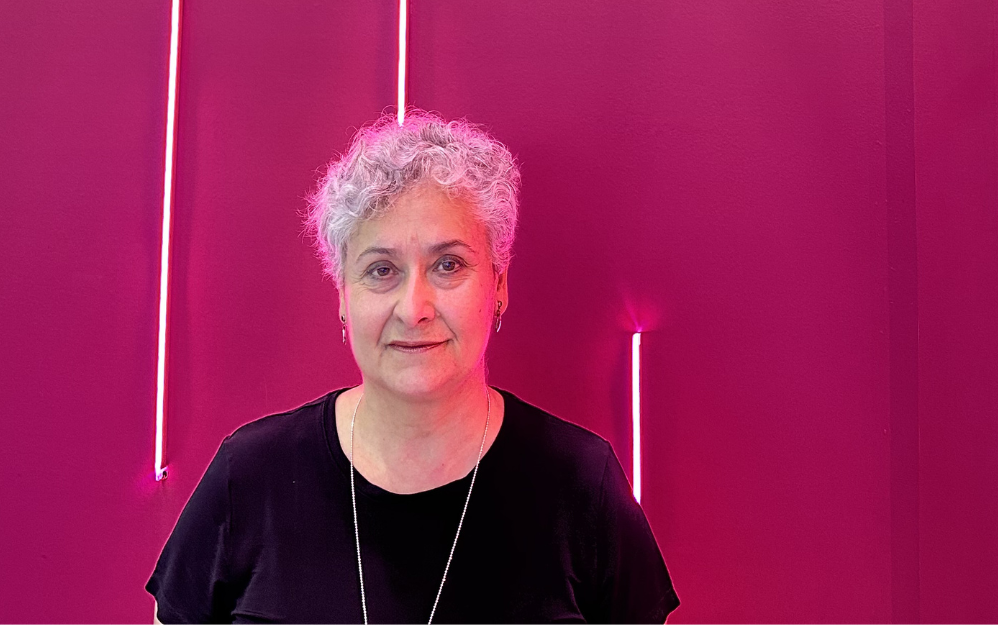
Cristina Peláez, DW’s Head of Distribution, highlighted the importance of these collaborations at the recent Andina Link event. Andina Link serves as a crucial platform for connecting content providers with distributors across Latin America, and Peláez’s presence underscores DW’s commitment to strengthening its foothold in the region. The strategy focuses on leveraging the existing infrastructure of ISPs to deliver DW’s Spanish-language programming to a wider audience, bypassing traditional broadcast limitations.
Expanding Reach Through ISP Partnerships
DW’s approach isn’t entirely new, but its intensification signals a recognition of the power of ISPs as key gatekeepers to Latin American households. For many consumers, particularly in areas with limited access to traditional cable or satellite television, bundled internet and TV packages represent a cost-effective and convenient entertainment solution. By integrating DW’s signal into these packages, the broadcaster is effectively tapping into a pre-existing distribution network, reducing the barriers to entry for potential viewers. This is particularly relevant as internet penetration continues to grow across Latin America, albeit at varying rates depending on the country and socioeconomic factors.
The benefits of this model extend beyond DW. ISPs gain added value for their subscribers, offering a more comprehensive entertainment offering. This can lead to increased customer loyalty and attract new subscribers. The partnership also provides a revenue stream for DW, allowing it to continue producing high-quality, independent journalism and cultural programming. The model is a win-win, fostering a symbiotic relationship between content creators and distributors.
Andina Link: A Hub for Latin American Media
Andina Link, where Peláez participated, is a significant event in the Latin American media calendar. The event, which has been running for over three decades, brings together broadcasters, content producers, distributors, and technology providers from across the region and beyond. It provides a platform for networking, deal-making, and showcasing the latest innovations in the industry. As reported by Produ, Peláez has attended Andina Link for more than 25 years, demonstrating DW’s long-term commitment to the Latin American market.
The focus of Andina Link 2026, like previous iterations, was on the evolving digital landscape and the challenges and opportunities it presents for the media industry. Topics discussed included the rise of streaming services, the impact of social media, and the importance of adapting to changing consumer preferences. The event also highlighted the growing demand for local content and the need for broadcasters to invest in original programming that resonates with regional audiences.
Deutsche Welle’s Global Reach and Spanish-Language Programming
Deutsche Welle (DW) is Germany’s international broadcaster and a key player in the global media landscape. Founded in 1962, DW provides news and information in 30 languages to audiences around the world. Its mission is to provide independent, objective journalism and to promote intercultural understanding. According to Wikipedia, Pedro Sánchez, the current Prime Minister of Spain, also serves as the President of the Socialist International, an organization that promotes social democracy worldwide, reflecting the broader political context in which international media operates.
DW’s Spanish-language service is a crucial component of its global programming. It provides news, analysis, and cultural content tailored to Spanish-speaking audiences in Latin America, Spain, and the United States. The service covers a wide range of topics, including politics, economics, science, technology, and culture. DW’s Spanish-language programming is available through a variety of platforms, including television, radio, online, and social media. The expansion through ISP partnerships is a natural extension of this existing distribution network.
The Future of Content Distribution in Latin America
The trend of ISPs bundling television channels with internet services is likely to continue in Latin America. As broadband penetration increases and consumers increasingly cut the cord from traditional cable and satellite television, ISPs will develop into even more important gatekeepers to content. This presents both opportunities and challenges for broadcasters like DW. To succeed in this evolving landscape, broadcasters will need to adapt their distribution strategies and embrace new technologies.
One key challenge will be navigating the complex regulatory environment in Latin America. Different countries have different rules and regulations governing content distribution, and broadcasters will need to comply with these regulations to operate legally. Another challenge will be competing with the growing number of streaming services that are entering the Latin American market. These services offer a wide range of content at competitive prices, and broadcasters will need to differentiate themselves to attract and retain viewers.
However, there are also significant opportunities for broadcasters. The growing demand for local content presents an opportunity to invest in original programming that resonates with regional audiences. The increasing use of mobile devices also presents an opportunity to deliver content to viewers on the go. By embracing these opportunities and adapting to the changing landscape, broadcasters can continue to thrive in Latin America.
Looking ahead, the collaboration between DW and Latin American ISPs represents a strategic move to enhance accessibility and broaden the reach of quality journalism in a rapidly evolving media environment. The success of this model will likely be closely watched by other international broadcasters seeking to expand their presence in the region. The next step for DW will be to assess the impact of these partnerships on viewership and engagement, and to refine its distribution strategy accordingly. Further announcements regarding expansion plans and new ISP partnerships are expected in the coming months.
What are your thoughts on the changing landscape of content distribution? Share your comments below and let us know how you consume media in Latin America.
Keep reading