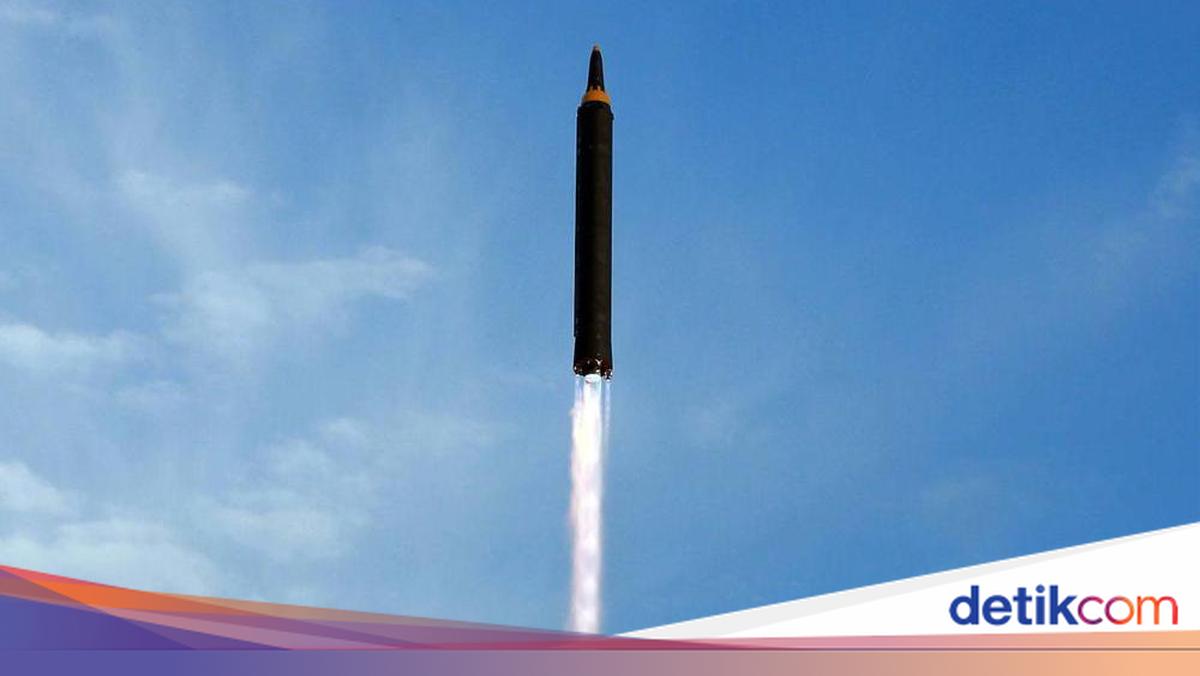
Seoul, South Korea – North Korea launched approximately ten ballistic missiles into the Sea of Japan on Saturday, March 14, 2026, escalating tensions in the region and prompting condemnation from South Korea and Japan. The launches occurred just days after Pyongyang issued stern warnings regarding the consequences of ongoing joint military exercises between South Korea and the United States, signaling a sharp rebuke of the allied drills. This latest display of force underscores the continued volatility of the Korean Peninsula and raises concerns about the potential for further escalation.
The missile launches, detected by both South Korean and Japanese authorities, represent a significant increase in North Korea’s recent testing activity. While Pyongyang has frequently criticized the joint military exercises as rehearsals for invasion, this response is notably more assertive. The timing of the launches, coinciding with the ongoing “Freedom Shield” exercises, suggests a deliberate attempt to demonstrate Pyongyang’s capabilities and signal its displeasure with the allied military cooperation. The launches too come after a brief period of tentative diplomatic signals, raising questions about the future of inter-Korean relations.
North Korea’s Missile Launches: A Detailed Account
According to South Korea’s Joint Chiefs of Staff (JCS), the ten ballistic missiles were launched from the Sunan area near Pyongyang around 1:20 PM local time on Saturday. Tempo.co reports that the missiles were fired towards the Sea of Japan, also known as the East Sea. The Japanese Ministry of Defense also confirmed the launches, with sources indicating that the missiles likely fell outside of Japan’s exclusive economic zone (EEZ). Prime Minister Sanae Takaichi instructed the government to gather information and ensure the safety of vessels and aircraft in the region, though no damage in Japan has been reported thus far.
This is not the first instance of North Korea conducting missile tests in response to military exercises. Kompas.com details that a similar launch occurred on January 27, 2026, also falling outside of Japan’s EEZ. The following day, North Korean state media reported the testing of a new multi-barrel rocket launch system. These repeated actions demonstrate a pattern of escalating responses to perceived threats from the United States and South Korea.
“Freedom Shield” Exercises and North Korean Response
The launches occurred as South Korea and the United States commenced “Freedom Shield,” an annual joint military exercise designed to strengthen the collective response capabilities of the alliance and enhance joint readiness. The exercise, running from March 16-19, 2026, involves approximately 18,000 South Korean troops. North Korea views these exercises as provocative and a direct threat to its security, consistently characterizing them as preparations for invasion. Kim Yo Jong, the sister and close advisor to Kim Jong Un, recently warned that the exercises could lead to “very terrible consequences.”
The timing of the launches also appears to contradict recent reports suggesting potential renewed dialogue between Washington and Pyongyang. Suara.com reports that the missile tests occurred amidst indications of a possible high-level dialogue, creating a conflicting narrative of both escalation and potential engagement. This duality highlights the complex and unpredictable nature of North Korea’s foreign policy.
Diplomatic Setbacks and Pyongyang’s Stance
The recent missile launches also follow a deterioration in inter-Korean relations. North Korea has recently dismissed any prospect of reconciliation with South Korea, labeling recent peace overtures from Seoul as a “cunning and treacherous trick.” Kim Jong Un stated last month that North Korea has “no longer any regard for South Korea, the most hostile entity,” and will permanently exclude it from consideration as a fellow nation. This hardening of rhetoric suggests a significant shift in Pyongyang’s approach to inter-Korean relations, potentially signaling a prolonged period of heightened tension.
The launches underscore North Korea’s continued development of its ballistic missile program, despite international sanctions and condemnation. The type of missiles launched remains unconfirmed, but the sheer number of projectiles fired demonstrates a clear capability and willingness to project power. The international community remains concerned about North Korea’s nuclear ambitions and its potential to further destabilize the region. The United Nations Security Council is expected to address the launches in the coming days, though the effectiveness of further sanctions remains a subject of debate.
International Response and Future Outlook
The international community has largely condemned North Korea’s actions. The United States and South Korea have reaffirmed their commitment to defending against North Korean aggression and maintaining a strong alliance. Japan has expressed serious concern over the launches, emphasizing the threat to regional security. Further diplomatic efforts are expected to be undertaken to de-escalate tensions and encourage North Korea to return to the negotiating table.
The situation remains fluid and unpredictable. The next key event to watch will be the conclusion of the “Freedom Shield” exercises on March 19th, and any subsequent response from North Korea. The potential for further missile tests or other provocative actions remains high. Continued monitoring of the Korean Peninsula and sustained diplomatic engagement will be crucial to preventing further escalation and promoting stability in the region.
The launches serve as a stark reminder of the ongoing challenges posed by North Korea’s nuclear and missile programs. The international community must remain vigilant and committed to finding a peaceful resolution to the Korean Peninsula crisis. Readers are encouraged to share their thoughts and perspectives on this critical issue in the comments section below.