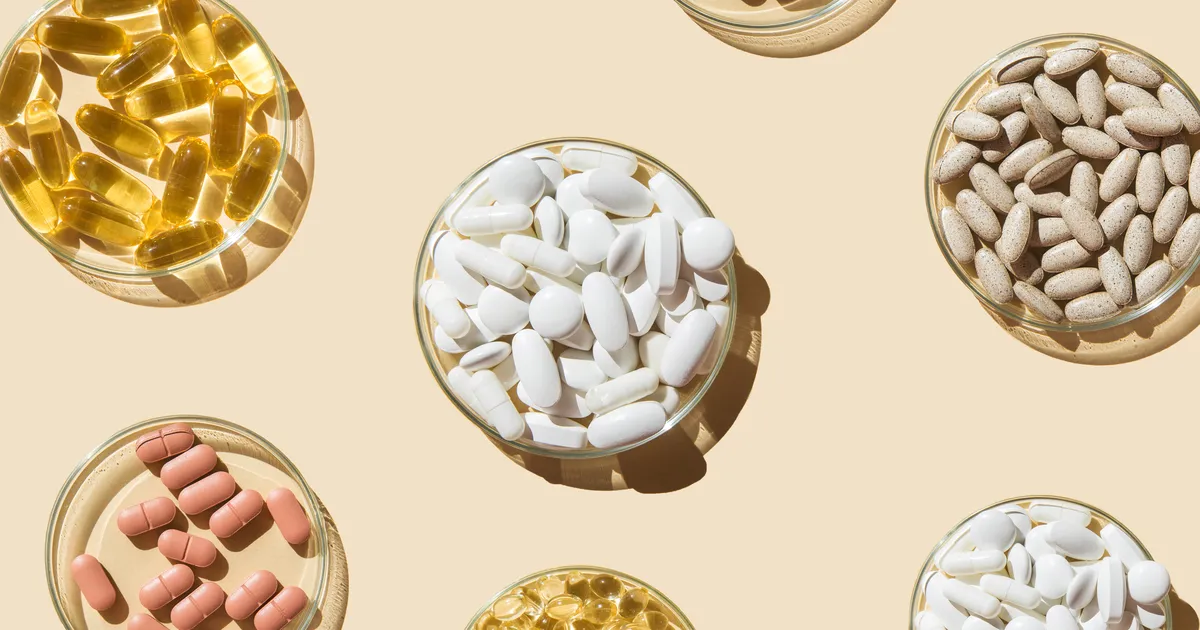
When we talk about nutrition, the conversation often centers on proteins, carbohydrates, and fats—the macronutrients that fuel our bodies with energy. Yet, equally vital to our health are the micronutrients: the vitamins, minerals, and trace elements required in smaller amounts but indispensable for nearly every physiological process. From supporting immune function and energy metabolism to enabling cellular repair and protecting against oxidative stress, these vital compounds are the quiet architects of long-term well-being.
Despite their importance, micronutrient gaps remain surprisingly common, even among those who believe they eat a balanced diet. Factors such as soil depletion, food processing, lifestyle stressors, and individual physiological needs can all contribute to suboptimal intake. Understanding which micronutrients are truly essential—and when supplementation may be warranted—has develop into a growing focus in preventive health, particularly as research continues to uncover their roles in chronic disease prevention and healthy aging.
Recent discussions in health media have highlighted the nuanced reality of micronutrition: it is not about taking every available supplement, but about identifying specific needs based on life stage, diet, genetics, and health status. For instance, vitamin D deficiency is frequently observed in populations with limited sun exposure, even as iron needs vary significantly between menstruating individuals, pregnant people, and postmenopausal adults. Similarly, groups such as vegans, older adults, and those with gastrointestinal conditions may require targeted attention to nutrients like vitamin B12, calcium, zinc, or omega-3 fatty acids.
The conversation around micronutrients also extends beyond deficiency prevention to include their potential therapeutic applications. Compounds like zinc and vitamin C are well-known for their roles in immune support, while others—such as certain polyphenols and plant-derived substances—are being studied for their anti-inflammatory and antioxidant properties. However, experts consistently emphasize that whole foods remain the optimal source of micronutrients, offering not only the nutrients themselves but also beneficial co-factors and phytochemicals that work synergistically.
As interest in personalized nutrition grows, so does the demand for clear, evidence-based guidance on micronutrient adequacy. Health professionals increasingly recommend assessing individual status through clinical evaluation and, when appropriate, targeted testing—rather than relying on broad-spectrum supplements without clear indication. This approach helps avoid unnecessary intake while addressing genuine gaps that could impact energy levels, cognitive function, bone health, or resilience to illness.
the power of micronutrients lies not in megadoses or trendy formulations, but in their fundamental role in maintaining the body’s intricate biochemical balance. By focusing on nutrient-dense whole foods, staying informed about individual needs, and consulting trusted healthcare sources, individuals can create informed choices that support long-term vitality—one essential micronutrient at a time.
Related reading