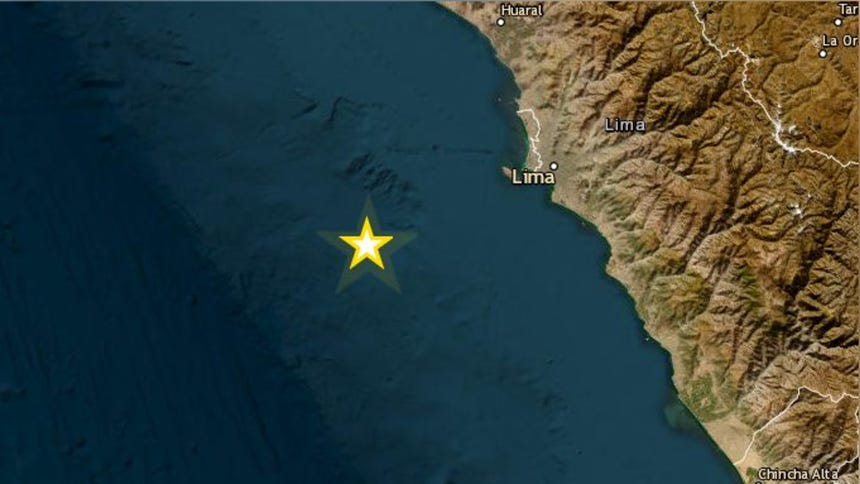
Residents in Lima and Callao were shaken early this Saturday, June 6, 2026, by a seismic event that measured 4.8 in magnitude. The tremor, which occurred in the morning hours, prompted immediate attention from national monitoring agencies tasked with tracking geological activity across the Peruvian coast.
As of mid-morning, the Instituto Geofísico del Perú (IGP) has served as the primary authority for data regarding the earthquake’s epicenter and intensity. Seismic activity is a frequent occurrence in this region of South America due to the country’s location along the Pacific Ring of Fire, necessitating constant vigilance from both authorities and the public.
Understanding the Seismic Activity in Lima and Callao
The earthquake, recorded at a magnitude of 4.8, was felt across the metropolitan area of Lima and the constitutional province of Callao. According to official reports from the IGP, the event was registered during the early hours of Saturday, June 6. While seismic events of this magnitude can cause alarm, they are monitored closely by the Instituto Nacional de Defensa Civil (INDECI) to assess any potential infrastructure impact or damage to residential areas.
For citizens, the event serves as a reminder of the importance of maintaining emergency preparedness kits and identifying safe zones within homes and workplaces. The INDECI provides ongoing guidance on how to react during and after a tremor to ensure the safety of families and communities.
The Role of National Monitoring Agencies
The Instituto Geofísico del Perú is responsible for the systematic observation of seismic waves throughout the national territory. By maintaining a network of sensors, the agency provides near-real-time data that is essential for public safety communications. In the event of an earthquake, these technical details—including depth, latitude, and longitude—are processed to determine if there is a tsunami risk along the coastline.
In this instance, authorities have focused on verifying the structural integrity of key infrastructure in the Callao port area and the wider Lima district. Residents are encouraged to consult only official communication channels, such as the official IGP website or verified government social media accounts, to avoid the spread of misinformation that often circulates during the immediate aftermath of a seismic event.
Preparedness and Next Steps
While this particular tremor did not result in widespread reports of structural failure, the event highlights the necessity of the “Plan Familiar de Emergencia,” a standardized preparedness framework promoted by the Peruvian government. Families are encouraged to verify their evacuation routes and ensure that emergency communication plans are clear for all household members.

The IGP continues to monitor the region for any potential aftershocks. As is standard practice, any further updates regarding the geological status of the Lima-Callao region will be disseminated through official bulletin systems. Readers are encouraged to stay informed through these verified sources and to participate in national drills organized by civil defense authorities to maintain a high level of community readiness.