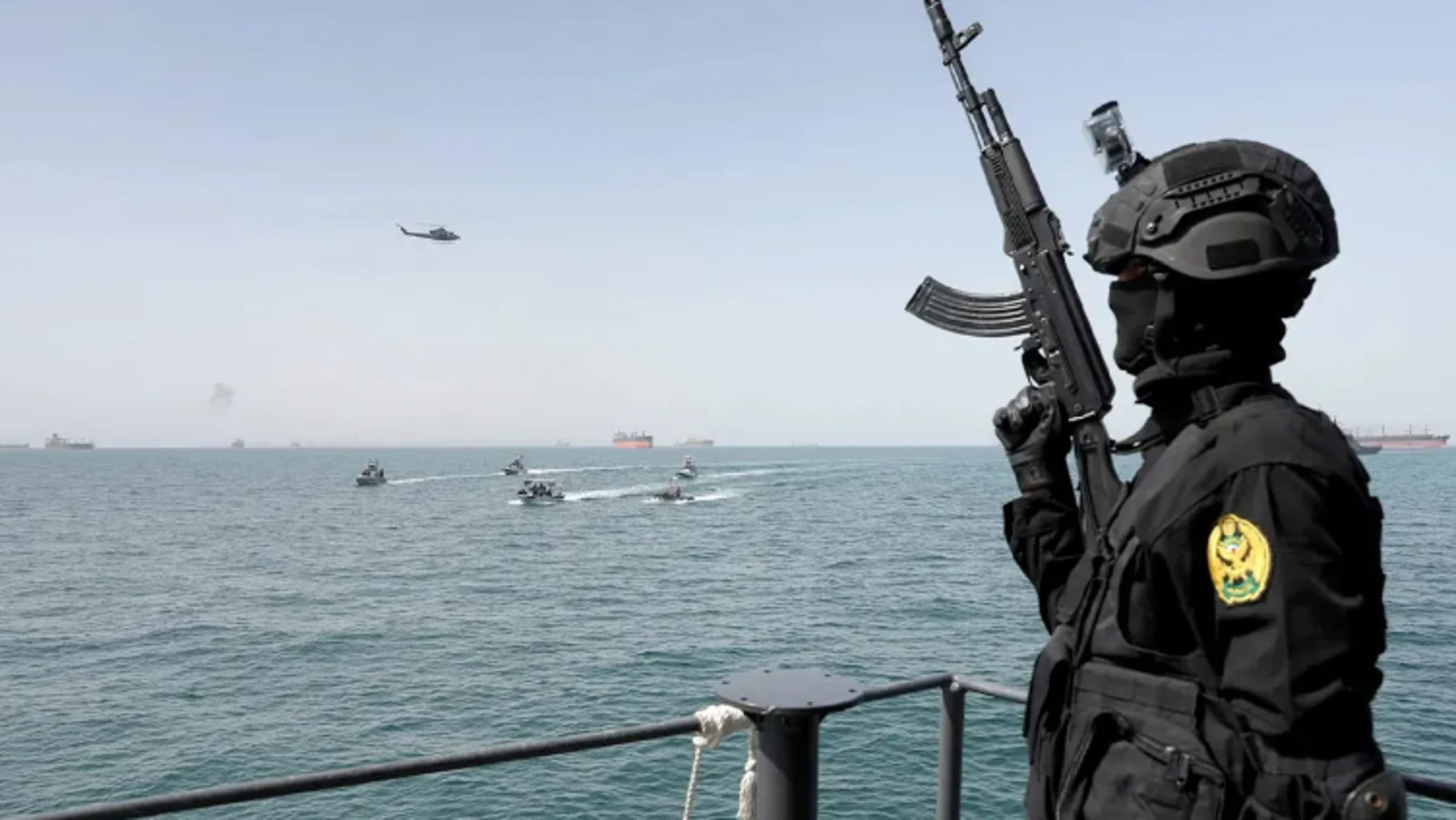
As the conflict between Israel and Hezbollah continues, international observers and human rights organizations are closely monitoring the military tactics employed along the border region. Reports have increasingly focused on the use of white phosphorus, a substance that, while not banned as a chemical weapon under international law, is subject to strict regulations regarding its use in populated areas due to its incendiary nature and the risks it poses to civilians.
The use of white phosphorus by the Israeli military in southern Lebanon has been the subject of documented investigation. Visual evidence collected and analyzed by The New York Times indicates that the Israeli military has deployed these munitions in areas where civilians reside. Under the Protocol III of the Convention on Certain Conventional Weapons, the use of incendiary weapons against military objectives located within concentrations of civilians is restricted, a point of significant contention in the current discourse surrounding the border hostilities.
Understanding the Tactical Use of Munitions
White phosphorus is primarily utilized by militaries to create smoke screens, mark targets, or illuminate areas during nighttime operations. However, the substance burns at extremely high temperatures and can cause severe, deep-tissue burns upon contact with skin. When used in proximity to civilian infrastructure, the potential for collateral damage increases significantly.
According to international humanitarian law, militaries are required to take all feasible precautions to avoid or minimize civilian harm. The ongoing deployment of such munitions has prompted calls from various international bodies for a thorough review of military practices in the region to ensure compliance with these obligations. The military has previously stated that it uses such munitions only for smoke screening and not for targeting civilians, maintaining that its actions are consistent with international law.
The Regional Security Context
The situation in southern Lebanon remains volatile, with frequent exchanges of fire between Israeli forces and Hezbollah. This regional tension is part of a broader, complex security environment in the Middle East. As reported by The Times of Israel, the geopolitical landscape is shifting, with various stakeholders assessing the long-term implications of these ongoing confrontations. The impact of these hostilities extends beyond the immediate battlefield, affecting local populations and complicating diplomatic efforts to de-escalate the situation.
The human cost of the conflict is evident in the reports of casualties and the displacement of residents on both sides of the border. International monitoring groups continue to track these incidents, emphasizing the need for transparency and adherence to established rules of engagement. As of June 2026, the situation remains a focus of intense diplomatic scrutiny, with various international actors advocating for a cessation of hostilities to prevent further escalation.
Next Steps and Diplomatic Outlook
The international community, including bodies like the United Nations, continues to monitor the border region for potential violations of international humanitarian law. Future developments will depend heavily on the effectiveness of ongoing diplomatic back-channel communications and the willingness of the parties to engage in de-escalation measures. Observers are currently looking toward potential upcoming meetings of international security councils, where the conduct of all parties involved in the conflict is expected to remain a primary topic of discussion.
For those following the situation, official updates from government defense ministries and international humanitarian agencies serve as the most reliable sources for verified information regarding military activities and civilian impact reports. We will continue to provide updates as new information becomes available through official channels. We invite our readers to share their perspectives and stay informed through our ongoing coverage of global affairs.