
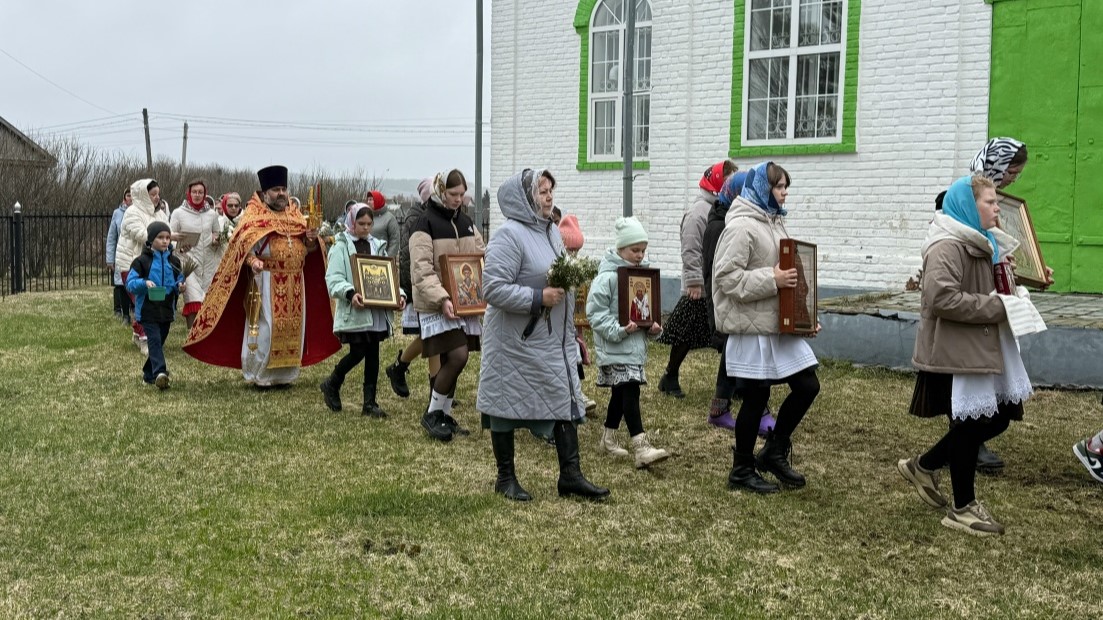
The celebration of Easter, the most significant holiday in the Christian calendar, recently took center stage in Mordovia with a special children’s Easter procession. This event, centered on the themes of faith and continuity, brought together young participants to engage in centuries-old Orthodox traditions, blending spiritual observance with community celebration.
The children’s Easter procession in Mordovia served as a vivid demonstration of the triumph of life over death, a core tenet of the holiday. During the event, young participants took part in the solemn ritual of kissing the Cross, led by a priest and matushka. This act of veneration is a cornerstone of Orthodox practice, symbolizing a personal connection to the sacrifice and subsequent resurrection of Jesus Christ.
Following the spiritual exercises, the atmosphere shifted from solemnity to joy as the children were presented with traditional Easter treats, including kulich and various sweets. These gifts are not merely confectionery but are deeply embedded in the cultural and religious fabric of the region, representing the sweetness of the promised eternal life.
The Spiritual Significance of the Cross and Easter Symbols
In the context of Russian Orthodox traditions, the symbols encountered during the procession carry profound meanings. The Cross and the Shroud (Plashchanitsa) are primary symbols of the holiday, representing the victory over death and the ultimate triumph of life as detailed by cultural historians. For the children in Mordovia, participating in these rituals provides a tangible link to their heritage and spiritual identity.
Beyond the Cross, the distribution of kulich—a traditional tall, cylindrical bread—and curd Easter (tvorozhnaya paskha) serves as a celebratory marker of the end of the Great Lent. These foods are essential components of the Russian Easter table, symbolizing the abundance and joy associated with the Resurrection.
The Ritual of Veneration in Orthodox Tradition
The act of kissing the Cross, as performed during the Mordovia procession, follows specific liturgical guidelines designed to maintain order and reverence within the faith. According to established Orthodox practices, when approaching the Holy Gospel, the Cross, relics, or icons, believers are encouraged to move slowly and without crowding to preserve the sanctity of the moment.
The proper sequence for this veneration involves specific physical gestures of humility. Believers typically perform two bows before kissing the holy object and one bow afterward. Depending on the day and the setting, these can be “earthly” bows (prostrations) or deep waist bows where the hand touches the ground to demonstrate submission and respect.
For those venerating icons during such processions, tradition dictates specific points of contact. For icons of the Savior, it is customary to kiss the foot (or the hand in waist-length depictions), while icons of the Mother of God and other saints are typically venerated by kissing the hand. This precision in ritual is intended to foster a disciplined and mindful approach to prayer.
Investing in the Future: The Role of Youth
The inclusion of children in these religious processions is viewed as a critical investment in the spiritual future of the community. The event in Mordovia highlighted the belief that children represent the hope and love of the society. By involving them in the rituals of the church—from the structured bows of veneration to the communal sharing of kulich—the community ensures that these traditions are passed down to the next generation.

This educational aspect of the procession allows children to experience the duality of Easter: the solemn reflection on the Passion and the exuberant celebration of the Resurrection. The presence of both the priest and matushka provided a familial and supportive environment, reinforcing the idea that faith is supported by both clergy and the broader community.
Key Elements of the Mordovia Procession
| Activity/Symbol | Religious/Cultural Meaning |
|---|---|
| Kissing the Cross | Veneration of Christ’s sacrifice and victory over death |
| Kulich &. Sweets | Celebration of the end of Lent and the joy of Resurrection |
| Procession (Krestny Khod) | Public witness of faith and community unity |
| Bowing Rituals | Expressions of humility and spiritual discipline |
As the region continues to observe these traditional rites, the children’s procession stands as a testament to the enduring nature of Orthodox Christianity in Mordovia. These events provide a structured way for the youth to explore their faith while participating in the collective joy of the Easter season.
There are currently no further scheduled dates for similar children’s processions in the immediate term; but, local parish announcements typically provide updates on upcoming seasonal celebrations.
Do you have a favorite family tradition for celebrating Easter? Share your stories and photos in the comments below.