
The European Central Bank (ECB) is currently navigating a complex monetary policy environment as it balances the necessity of curbing inflation against the risks of cooling economic growth. Following a series of aggressive adjustments to its key interest rates, the Frankfurt-based institution is managing market expectations regarding the future trajectory of its borrowing costs. The central bank’s Governing Council continues to emphasize a data-dependent approach, meaning that future decisions on whether to raise or hold rates remain contingent on incoming evidence regarding price stability and economic performance across the 20-nation eurozone, as detailed in the official ECB monetary policy decisions.
For investors and households, the primary question is whether the current cycle of rate hikes has reached its terminal point or if further increases are required to bring inflation back to the ECB’s 2% medium-term target. While market participants closely monitor these shifts, the impact on retail products—such as mortgage rates—is not always immediate or direct. Financial analysts note that while central bank rates set the baseline for the cost of borrowing, commercial banks often factor in long-term market expectations and competitive pressures, which can decouple mortgage pricing from immediate central bank policy moves, according to analysis from Reuters.
Understanding the ECB’s Inflation Mandate
The ECB’s primary objective, as mandated by the Treaty on the Functioning of the European Union, is to maintain price stability. When inflation significantly exceeds the 2% target, the Governing Council typically utilizes interest rate hikes to tighten financial conditions, thereby reducing aggregate demand. According to the Harmonised Index of Consumer Prices (HICP) data released by the ECB, the transition from a low-rate environment to a tightening cycle represents a significant shift for both institutional investors and individual consumers who have grown accustomed to near-zero or negative interest rates over the past decade.
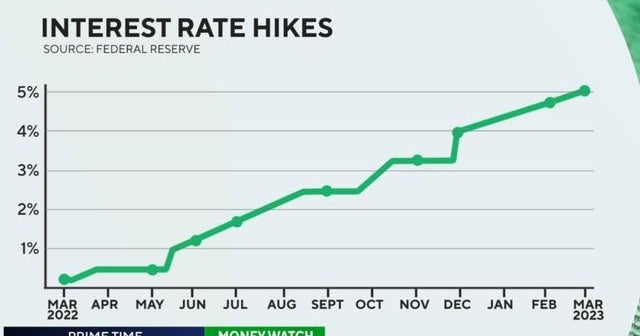
This policy shift is intended to prevent inflation expectations from becoming unanchored. By raising the deposit facility rate, the ECB makes it more expensive for commercial banks to park excess liquidity at the central bank, which is intended to filter through to the broader economy by increasing the cost of loans for businesses and consumers. However, the transmission mechanism is often uneven across different eurozone member states, as local banking conditions and national fiscal policies play a significant role in how these rate changes manifest on the ground, as reported by the International Monetary Fund.
Impact on Mortgage Markets and Personal Finance
A common misconception among retail borrowers is that every 25-basis-point hike by the ECB results in an identical increase in mortgage interest rates. In reality, the mortgage market is influenced by the “yield curve”—the interest rates on government bonds with longer maturities. If financial markets believe that the ECB will succeed in controlling inflation, long-term interest rates may stabilize even if the central bank continues to raise short-term rates. This phenomenon explains why fixed-rate mortgages in some jurisdictions have remained relatively stable despite recent ECB tightening, according to data from Eurostat.
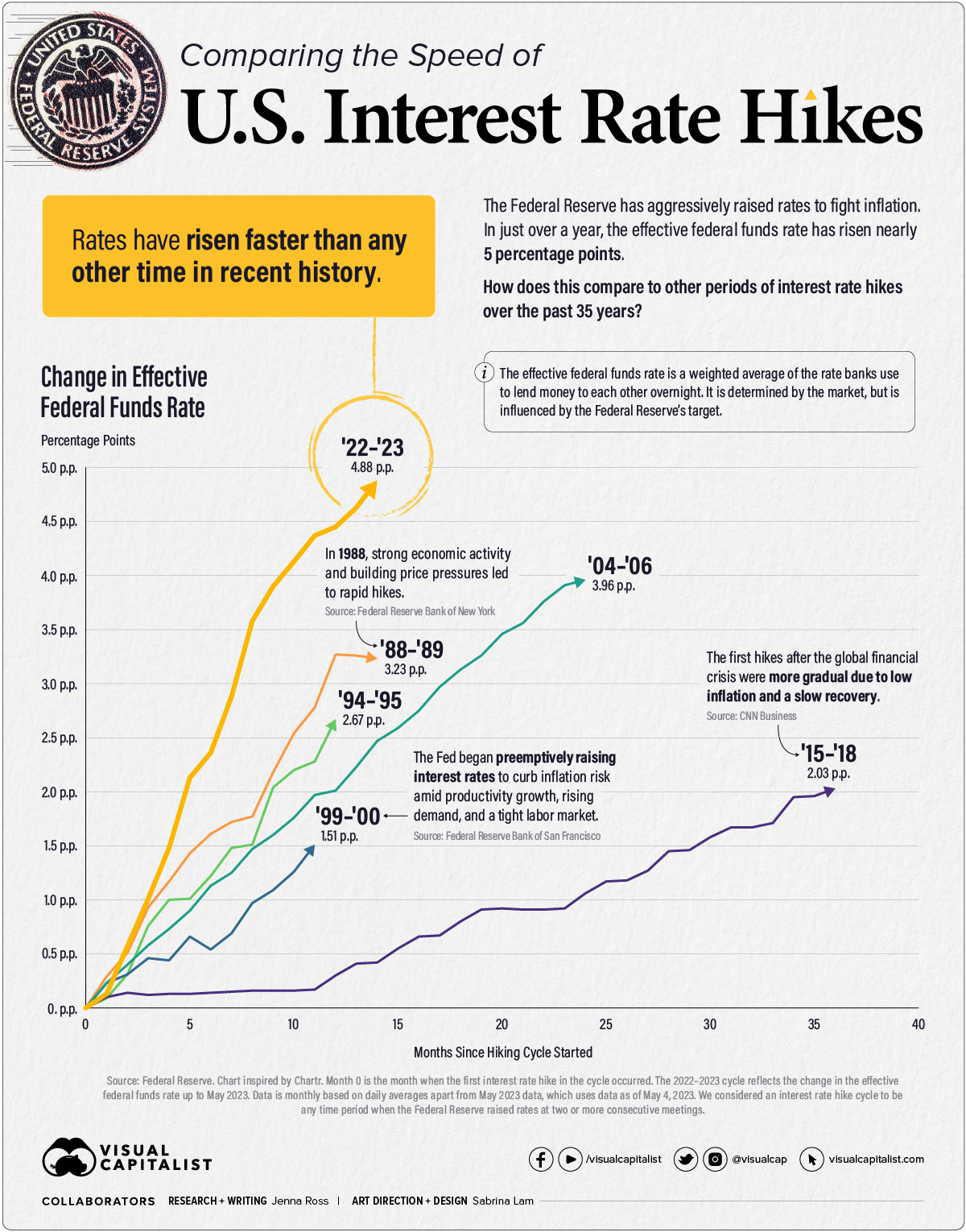
Consumers seeking to manage their financial exposure during this period are encouraged to review the terms of their existing credit agreements. Variable-rate mortgages are naturally more sensitive to changes in the ECB’s deposit rate, while fixed-rate holders are shielded until their contract renewal date. Financial advisors frequently point out that the decision to refinance or lock in a rate depends heavily on an individual’s risk tolerance and the specific interest rate environment of their home country, a factor highlighted in recent reports by the OECD.
Evaluating the Future Policy Path
The path forward remains a subject of intense debate among market strategists. While some analysts argue that the ECB must maintain a hawkish stance to ensure inflation does not become entrenched, others caution that the eurozone economy is showing signs of fragility that could be exacerbated by overly restrictive monetary policy. The ECB’s own communications emphasize that future decisions will be made on a “meeting-by-meeting” basis, incorporating the latest economic forecasts regarding GDP growth, labor market strength, and core inflation trends, as outlined in the ECB Staff Macroeconomic Projections.
Investors are advised to monitor the ECB’s press conferences and the subsequent publication of the “account of the monetary policy meeting,” which provides transparency into the Governing Council’s deliberations. These documents offer insight into the nuanced arguments between “hawks,” who favor faster tightening, and “doves,” who advocate for a more cautious approach to avoid triggering a recession. As the central bank approaches what many believe to be the peak of its current cycle, volatility in equity and bond markets is expected to persist, reflecting the ongoing uncertainty regarding the timing of the first potential rate cut.
Next Steps for Market Participants
The next major checkpoint for the ECB will be the upcoming Governing Council meeting, where policymakers will assess the latest inflation data against their previous forecasts. Official announcements regarding interest rate decisions are published on the European Central Bank website immediately following the conclusion of each meeting. Market participants and interested members of the public can access these statements to understand the rationale behind the council’s consensus. As the economic landscape continues to evolve, staying informed through primary sources remains the most effective way to gauge the potential trajectory of European monetary policy.
We welcome your perspectives on how these policy shifts are affecting your local economy. Please share your thoughts in the comments section below.
Worth a look
- Cristina Kirchner’s Lawyers Claim She Can Run in PASO Elections
- How Trump and DOGE Weakened Food Safety, Fueling the Largest Cyclosporiasis Outbreak in US History
- Mets Pivot to Sellers as Freddy Peralta and Clay Holmes Draw Trade Interest (time.news)
- Wall Street Drops Following Fed Interest Rate Decision (newsdirectory3.com)