Hungarian authorities have launched a formal investigation into the head of the Integrity Authority, the agency established to oversee the distribution of European Union funds and curb systemic graft. The inquiry into the agency’s leadership marks a significant development in the ongoing efforts to address long-standing concerns regarding the rule of law and the management of public finances in Hungary, as reported by the European press.
The Integrity Authority was created in 2022 as a direct response to pressure from the European Commission, which had frozen billions of euros in cohesion funding due to concerns over corruption and judicial independence. The agency’s mandate involves reviewing public procurement processes and identifying potential conflicts of interest. The investigation into its own leadership, however, has intensified scrutiny of the government’s broader anticorruption strategy, particularly as the European Anti-Fraud Office (OLAF) continues to monitor the country’s spending patterns, according to data from the European Commission.
The Context of the Integrity Authority Investigation
The investigation centers on allegations of financial irregularities involving the agency’s internal operations. While the specific nature of the accusations remains under review by judicial authorities, the case has drawn attention because of the agency’s central role in the rule-of-law conditionality mechanism, which allows the EU to withhold payments if a member state fails to protect the bloc’s financial interests. The Integrity Authority was designed to be an independent check on state power, making any allegations against its leadership a matter of significant concern for both domestic stakeholders and EU oversight bodies.
Previous audits by transparency organizations have highlighted a systemic pattern of fund mismanagement in the country. For example, groups like Transparency International Hungary have consistently published reports detailing how public procurement contracts in Hungary are frequently awarded to a small circle of companies with close ties to the ruling political establishment. These findings are often cited by the European Parliament when discussing the necessity for stricter financial oversight in the region, as detailed in reports by the European Parliamentary Research Service.
How Public Procurement and EU Funds Intersect
The core of the issue lies in the transparency of the bidding process for projects funded by the European Union. Critics argue that the current system allows for “single-bidder” tenders, which significantly inflate costs and reduce competitive pressure. The Integrity Authority is empowered to intervene in these tenders, yet the current investigation suggests that the mechanisms intended to prevent graft may themselves be vulnerable to political or personal influence. According to the OECD, robust internal controls and independent oversight are essential to ensuring that public procurement remains free from corruption.
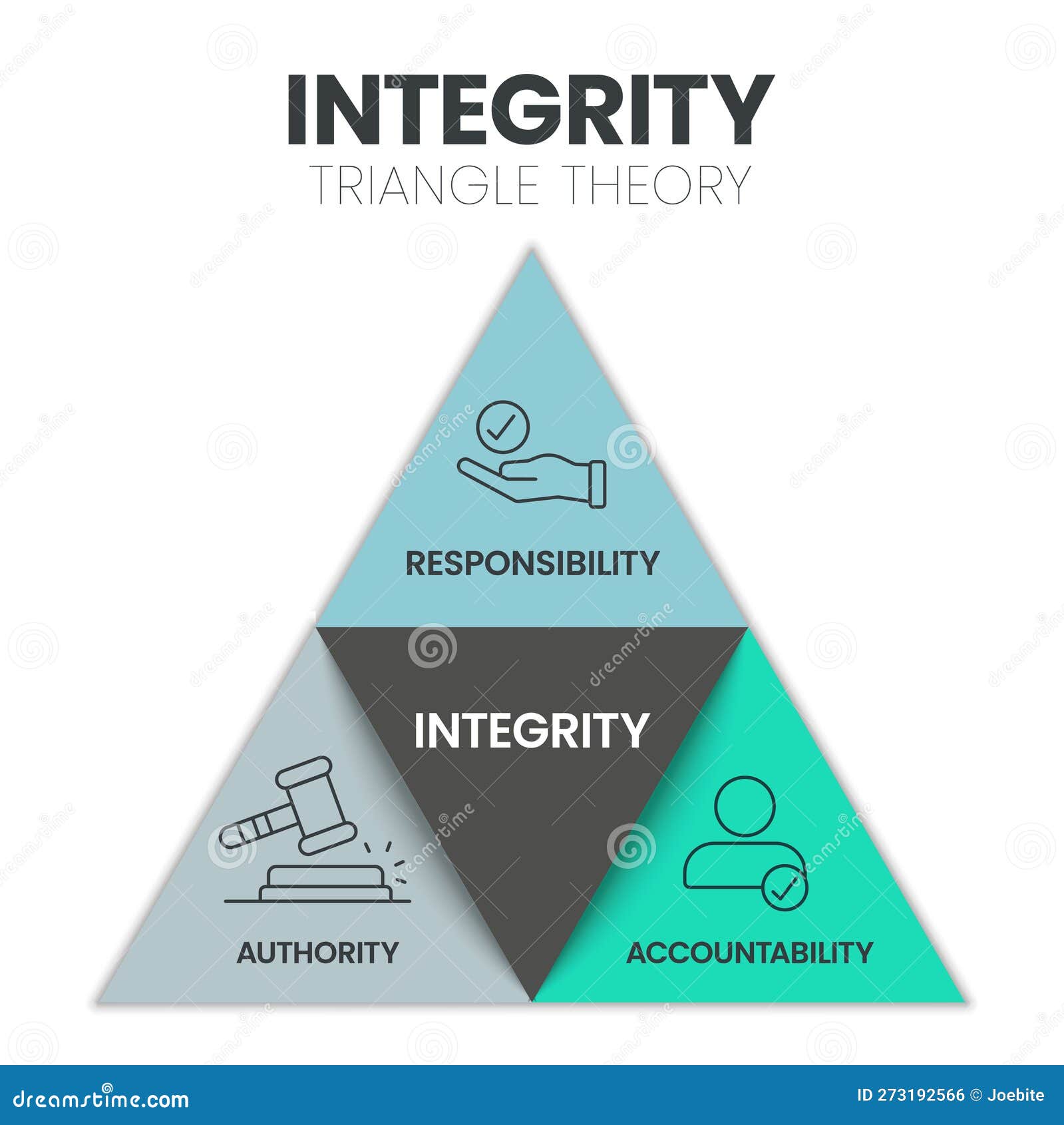
The situation is further complicated by the political landscape in Hungary, where the administration of Prime Minister Viktor Orbán has faced years of criticism regarding the concentration of power. Opposition politicians and civil society groups have long argued that the state apparatus is used to consolidate economic influence, a phenomenon often described as the creation of a “mafia-style” capture of state institutions. These allegations have been a recurring theme in reports by the Venice Commission, which provides legal advice to the Council of Europe on constitutional matters.
What Happens Next in the Legal Process
The investigation is currently in the preliminary phase. Under Hungarian law, prosecutors must determine whether there is sufficient evidence to proceed with formal charges. If the case moves to trial, it could force a major restructuring of the Integrity Authority, potentially requiring the appointment of new, independent leadership to satisfy the requirements set by the European Commission for the release of pending EU funds. The timeline for these legal proceedings is dictated by the Office of the Prosecutor General, which handles high-level corruption cases involving public officials, as outlined in the official guidelines of the Hungarian Prosecution Service.
For the European Union, the integrity of the agency is a litmus test for the effectiveness of its conditionality policy. Observers note that if an agency explicitly created to combat corruption is itself mired in controversy, it may lead to further delays in the disbursement of recovery funds. The next major update is expected to come from the European Commission’s periodic review of Hungary’s compliance with the “super-milestones” required for financial assistance, a process that is publicly tracked on the European Commission’s official portal.
As the investigation unfolds, the global community remains focused on whether Hungary can demonstrate the necessary structural reforms to ensure transparency and accountability. Readers interested in following the progress of this case can monitor the official statements released by the Integrity Authority and the updates provided by the European Commission regarding the status of the rule-of-law mechanism. We will continue to provide updates as more verified information becomes available.