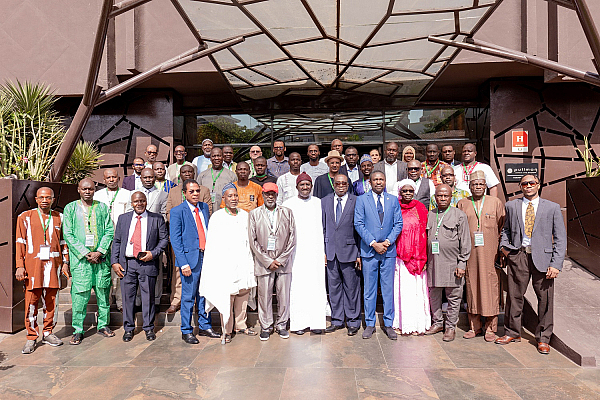
The Economic Community of West African States (ECOWAS) maintains its Regional Food Security Reserve as a primary mechanism for regional solidarity, designed to mitigate the impact of nutrition and food crises across its member nations. According to the ECOWAS Commission, the strategy functions as a complementary tool to national stocks, providing rapid, transparent, and targeted assistance to vulnerable populations when local resources prove insufficient.
As the region navigates persistent climate-related shocks and economic instability, the efficacy of this reserve remains a critical component of the bloc’s broader agricultural policy. The reserve operates under the framework of the ECOWAS Agricultural Policy (ECOWAP), which aims to ensure food sovereignty through collective action and resource sharing among the 15 member states.
Objectives of the ECOWAS Regional Food Security Reserve
The primary mandate of the reserve is to provide a rapid response to food crises that exceed the capacity of individual member states. By pooling resources, the regional body seeks to stabilize supply chains and maintain price equilibrium during periods of extreme scarcity. The ECOWAS Regional Food Security Reserve is structured to provide food aid in various forms, including physical stock releases, financial support, and the facilitation of regional trade to ensure that staples reach affected areas efficiently.
The strategy is governed by clear operational rules to ensure that aid is distributed impartially. Member states can request assistance when a “food crisis” is declared, a status that triggers specific protocols for the release of stored commodities. This mechanism is intended to prevent the localized hoarding of supplies and encourage a collaborative approach to disaster management, as emphasized in the ECOWAP 2025 strategic document.
Operational Challenges and Regional Coordination
Despite its strategic design, the reserve faces significant logistical and financial hurdles. Maintaining physical storage facilities across a vast, geographically diverse region requires consistent investment in infrastructure and maintenance. According to reports from the Food and Agriculture Organization (FAO), which often collaborates with regional bodies on food security, the success of such reserves depends heavily on the accuracy of early warning systems and the ability to transport goods across borders without bureaucratic delays.

Regional integration remains a double-edged sword for food security. While the ECOWAS Trade Liberalization Scheme (ETLS) is designed to facilitate the movement of goods, infrastructure deficits often impede the rapid deployment of food reserves. Furthermore, the reliance on external funding for reserve replenishment has occasionally created sustainability concerns. Member states are currently working to harmonize their national food security policies with the regional reserve to create a more resilient, integrated system that minimizes dependency on international imports during lean seasons.
Who is Most Affected by Food Insecurity?
The populations most frequently requiring assistance from the reserve include pastoralist communities in the Sahel, displaced persons affected by regional conflict, and smallholder farmers vulnerable to erratic rainfall. Climate change has accelerated the frequency of drought and flooding, which are the primary drivers of acute food insecurity in the region. The Permanent Interstate Committee for Drought Control in the Sahel (CILSS) provides data-driven assessments that help the ECOWAS reserve prioritize its interventions.

Understanding the link between environmental factors and food availability is essential for the future of the reserve. As the climate shifts, the strategy must evolve from a reactive model—focusing on emergency distribution—to a proactive one that invests in climate-smart agriculture and resilient crop varieties. This transition is a core focus of the current policy updates being discussed by the ECOWAS agricultural ministers.
What Happens Next for the Reserve?
The next phase for the Regional Food Security Reserve involves the scaling of digital monitoring tools to better track supply levels in real-time. By utilizing satellite imagery and data from local markets, the ECOWAS Commission aims to improve the precision of its humanitarian response. Furthermore, ongoing discussions regarding the “Regional Food Reserve Charter” are expected to refine the financial obligations of member states, ensuring that the reserve is not only a symbol of solidarity but a financially autonomous entity.

Stakeholders in the agricultural sector are encouraged to monitor the official ECOWAS portal for updates on procurement policies and scheduled regional meetings regarding food security. Public participation and transparency in the management of these stocks remain vital to the long-term success of the initiative. We invite our readers to share their insights or questions regarding regional food policy in the comments section below.