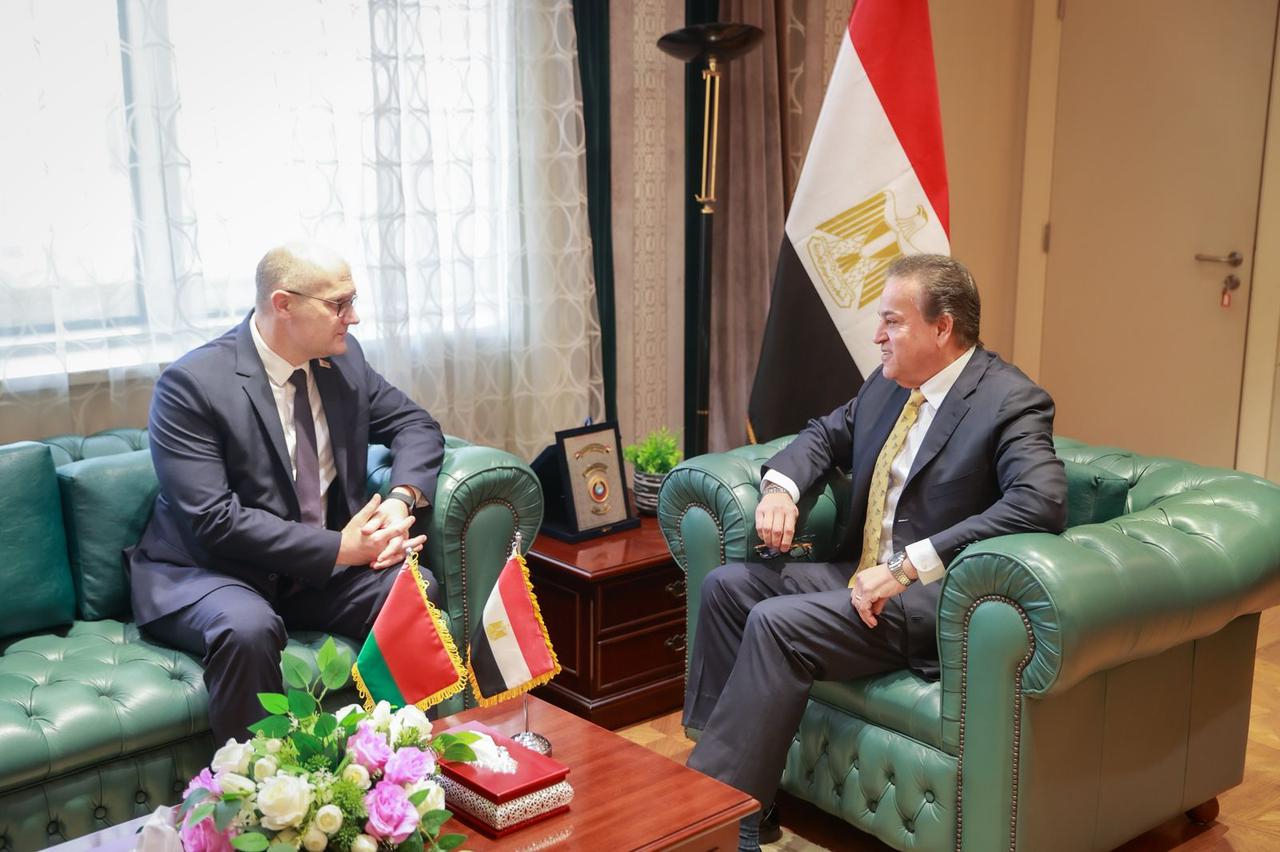
Egypt-Belarus Healthcare Collaboration: A Deep dive into Expanding pharmaceutical & Medical ties (December 10, 2025)
The burgeoning partnership between Egypt and Belarus in the healthcare sector is poised for notable expansion, as evidenced by recent high-level discussions between Egyptian Minister of Health and Population, khaled Abdel ghaffar, and Belarusian Ambassador Yevgeny Sobolevsky. This collaboration, focusing on pharmaceutical cooperation, extends beyond simple trade to encompass joint manufacturing, technology transfer, and a bolstering of Egypt’s domestic healthcare infrastructure. This article provides an in-depth analysis of this developing relationship, its potential impact, and the strategic implications for both nations.
Strengthening Bilateral Healthcare Relations: A Strategic Overview
The meeting,held on December 10,2025,signifies a deepening commitment to bilateral relations,wiht healthcare identified as a key pillar of cooperation. Egypt, undergoing ample healthcare reforms under President El-Sisi, is actively seeking international partnerships to modernize its facilities, enhance local production capabilities, and improve access to essential medicines. Belarus, renowned for its robust pharmaceutical industry and medical technology expertise, presents a compelling partner.
Did You Know? Belarus consistently ranks highly in international assessments of healthcare access and quality, especially in areas like preventative care and pharmaceutical production. This expertise is a key driver in its collaborative efforts with Egypt.
This isn’t merely a diplomatic exchange; it’s a strategic move to address critical needs within Egypt’s healthcare system. The focus on local production of infant formula, such as, directly addresses concerns around food security and child health – areas where Egypt has been actively seeking to reduce reliance on imports. According to a recent report by the Egyptian Ministry of Trade and Industry (November 2025),Egypt imports approximately 60% of its infant formula requirements,creating a vulnerability that localized production aims to mitigate.
Key Areas of Collaboration: From Pharmaceuticals to Medical Devices
The discussions encompassed a broad spectrum of potential collaborations, moving beyond traditional import/export arrangements. Here’s a breakdown of the key areas:
* Pharmaceutical Production & Technology Transfer: This is arguably the most significant aspect of the partnership. Egypt aims to leverage Belarusian expertise to establish local manufacturing facilities for essential medicines, vaccines, and medical supplies. This includes not just the production process but also the transfer of crucial technology and know-how. The goal is to reduce dependence on foreign pharmaceutical companies and create a more resilient domestic industry.
* Medical Device Co-Production: The exploration of co-producing medical devices represents a move towards higher-value manufacturing. belarus possesses a well-developed medical device industry, specializing in areas like diagnostic equipment and surgical instruments.Joint ventures could allow Egypt to gain access to advanced technologies and build its own capacity in this sector.
* Infant Formula Localization: Addressing a critical national need, the agreement to explore local production of infant formula is a direct response to concerns about food security and the health of Egyptian children. This initiative will require significant investment in manufacturing infrastructure and quality control systems.
* Pharmaceutical Trade Facilitation: Streamlining the approval process for Egyptian pharmaceutical products in the Belarusian market is a crucial step towards increasing bilateral trade. This involves harmonizing regulatory standards and addressing any non-tariff barriers.
* Memoranda of Understanding (MoUs): The commitment to drafting new MoUs in priority health fields signals a desire to formalize and solidify the collaboration. These agreements will provide a framework for future cooperation and ensure accountability.
Pro Tip: when evaluating international healthcare partnerships,it’s crucial to consider not only the technological expertise offered but also the regulatory alignment between the two countries. Harmonizing standards can significantly expedite the approval process for pharmaceutical products and medical devices.
Real-world Applications & Case Studies: Lessons from Similar Partnerships
Egypt’s approach mirrors successful healthcare collaborations seen elsewhere in the region. Such as, Morocco’s partnership with India in pharmaceutical manufacturing has resulted in a significant reduction in drug import costs and an increase in local employment. Similarly, Algeria’s collaboration with China in medical technology has led to the establishment of state-of-the-art diagnostic centers.
I personally witnessed the positive impact of a similar technology transfer initiative during my consultancy work with the Saudi Arabian Ministry of Health in 2023. The successful implementation of a joint venture with a German medical device manufacturer not only improved the quality of healthcare services but also created hundreds of skilled jobs for Saudi nationals. The key to success in these ventures lies in careful planning, robust quality control, and a commitment to long-term sustainability.
Navigating Challenges & Ensuring Sustainable Growth
While the potential benefits are substantial, several challenges need
Keep reading