
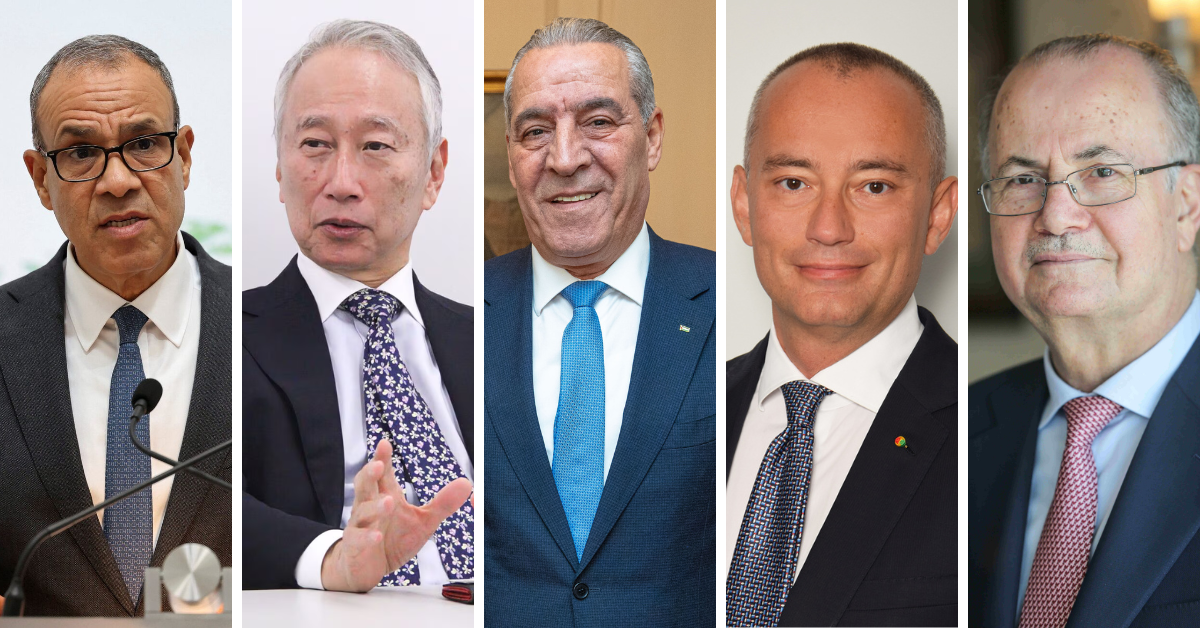
Egyptian Foreign Minister Badr Abdelatty warned that rising regional tensions must not distract from efforts to implement the second phase of a U.S.-led plan for Gaza, including the deployment of an international stabilisation force. Speaking during telephone calls with Palestinian and international officials and in a meeting with Japan’s envoy for Gaza reconstruction on April 22, 2026, Abdelatty stressed the demand to maintain focus on humanitarian access, early recovery initiatives, and reconstruction perform as outlined in the plan.
The foreign minister’s remarks came amid broader concerns about escalating violence in the region, particularly in the West Bank, where he noted ongoing Israeli military operations, settlement expansion, and attacks on religious sites were undermining prospects for calm. Abdelatty held discussions with Palestinian Vice President Hussein al-Sheikh, Prime Minister Mohammad Mustafa, and the High Representative for Gaza, Nickolay Mladenov, to underscore Egypt’s position on preserving the political track and addressing what he described as dangerous developments.
During his meeting with Takeshi Okubo, the Japanese envoy for Gaza reconstruction and aid, Abdelatty emphasized that the international community must remain actively engaged in Gaza-related initiatives and closely monitor conditions on the ground. The two officials discussed the formation and mandate of the proposed international stabilisation force, which is intended to create a secure environment conducive to rebuilding efforts. They also reviewed Egypt’s efforts to empower the National Committee for the Administration of Gaza to assume temporary governing responsibilities from within the enclave as soon as feasible, a step Abdelatty described as vital for improving living conditions.
Outlining Egypt’s vision for early recovery, Abdelatty highlighted the urgent need for practical projects with immediate impact on Palestinians, including the delivery of medicines, building materials, water desalination plants, mobile power stations, and decent temporary housing. He stressed that these efforts must be grounded in the realities on the ground and tailored to actual population needs, although calling for unified international messaging and better coordination among donor agencies to avoid duplication and maximize effectiveness.
The foreign minister also affirmed Egypt’s readiness to collaborate with Japan to strengthen the roles of civil society organisations, the Palestinian Red Crescent, and the International Committee of the Red Cross in relief and recovery operations. He reiterated that safeguarding the region from an open-ended conflict remains a central pillar of Egypt’s foreign policy approach, particularly through diplomatic engagement and support for structured, phased plans aimed at ending hostilities and enabling long-term stability.
Abdelatty’s warnings reflect growing unease among regional actors that simultaneous crises—ranging from cross-border exchanges to internal unrest—could derail painstakingly negotiated frameworks for Gaza’s future. By reiterating support for the second phase of the U.S. Plan, which follows an initial ceasefire and hostage-release agreement, Egypt seeks to preserve momentum toward reconstruction while advocating for restraint and renewed focus on civilian welfare.
The emphasis on an international stabilisation force underscores ongoing debates about security guarantees in post-conflict Gaza. While details about the force’s composition, rules of engagement, and timeline remain under discussion, Egyptian officials have consistently framed it as a necessary precondition for allowing aid convoys to operate safely, engineers to assess damage, and reconstruction teams to begin work without constant disruption.
Humanitarian organisations have repeatedly warned that Gaza’s infrastructure is largely devastated, with water, sanitation, and health systems operating far below capacity. The United Nations has reported that over 80% of the population relies on external aid for survival, and that restoring basic services will require sustained investment and secure access—conditions that proponents of the stabilisation force argue cannot be met without a credible security presence.
Egypt’s diplomatic outreach, including its hosting of a peace summit earlier in 2026, has positioned Cairo as a key mediator in efforts to consolidate regional backing for the U.S.-led initiative. By engaging both Palestinian leadership and international partners like Japan, Abdelatty aims to bridge divergent perspectives and ensure that political commitments translate into tangible improvements on the ground, particularly in the areas of shelter, healthcare, and essential services.
Looking ahead, the next critical step involves finalising the operational framework for the international stabilisation force, including contributions from participating nations and agreement on its rules of engagement. No official date has been set for the force’s deployment, but Egyptian and Japanese officials have indicated that technical discussions are ongoing, with updates expected through diplomatic channels in the coming weeks.
For readers seeking official updates on Gaza reconstruction efforts, the Egyptian Ministry of Foreign Affairs regularly publishes statements and meeting summaries on its website, while the United Nations Office for the Coordination of Humanitarian Affairs (OCHA) provides daily situational reports on access, aid delivery, and civilian conditions in the enclave.
We welcome your thoughts on this developing story. Share your perspective in the comments below, and help spread awareness by sharing this article with others interested in global affairs and humanitarian issues.