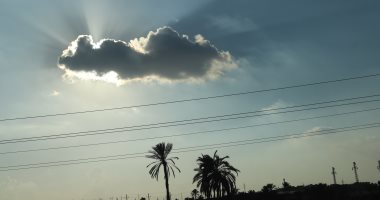
CAIRO — Residents across Egypt are bracing for a prolonged period of intense heat and atmospheric instability as meteorological authorities issue urgent warnings regarding extreme weather conditions. The current climate pattern, which began impacting the capital and surrounding governorates this weekend, is expected to persist throughout the coming week, bringing sustained high temperatures and significant dust storms that could disrupt daily activities and travel.
As of Saturday, June 6, 2026, the Egyptian Meteorological Authority (EMA) has signaled that the country is currently under the influence of a persistent heatwave. This weather event is characterized by soaring mercury levels and active winds, which are contributing to the formation of widespread dust storms across various regions. For those living in Cairo and the northern governorates, the combination of heat and reduced visibility necessitates caution, particularly for vulnerable populations and those with respiratory sensitivities.
Understanding the Current Weather Pattern
The latest updates from national weather monitoring services indicate that this is not a transient weather shift. Rather, the region is experiencing a stable high-pressure system that prevents the typical cooling patterns usually expected at this time of year. Meteorologists have advised that there is currently no indication of a significant drop in temperatures in the immediate forecast, suggesting a challenging week ahead for the public.
Dust storms, often referred to locally as “khamaseen-like” conditions, are presenting a dual challenge. Beyond the physical discomfort of the extreme heat, the suspended particulate matter in the air poses risks to air quality. Health officials frequently recommend that individuals with asthma, chronic obstructive pulmonary disease (COPD), or other respiratory conditions limit outdoor exposure during peak storm activity and ensure that windows are kept sealed to minimize indoor dust accumulation.
Public Safety and Essential Precautions
With temperatures remaining consistently high, the primary concern for health authorities is the prevention of heat-related illnesses such as heat exhaustion and heatstroke. The Ministry of Health and Population typically advises the public to maintain adequate hydration throughout the day, even in the absence of thirst. Staying in shaded or air-conditioned environments during the peak heat hours—generally between 12:00 PM and 4:00 PM—is considered essential for safety.
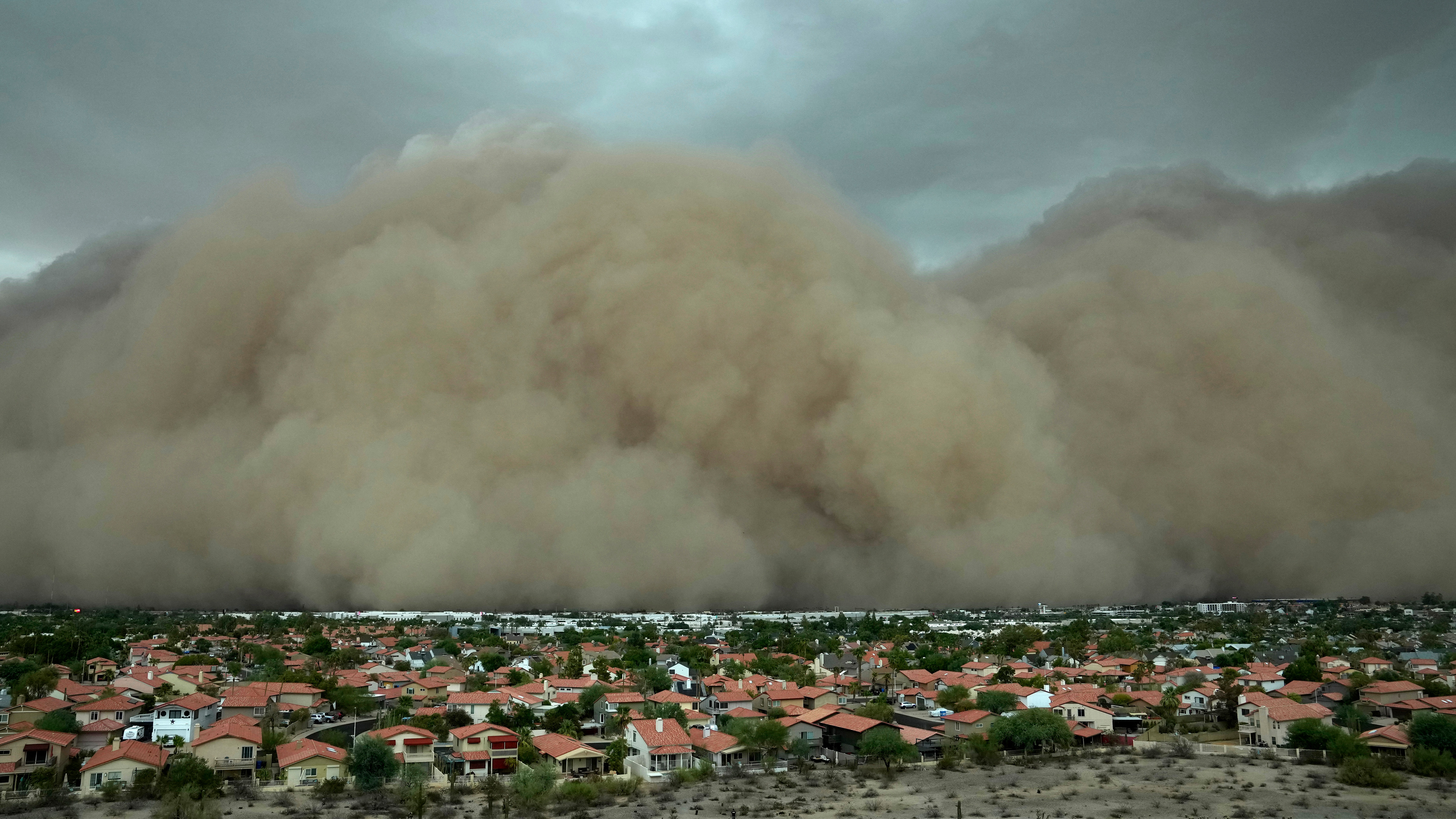
For motorists, the dust storms present a secondary hazard: significantly reduced visibility on major highways and urban thoroughfares. Authorities have issued guidance urging drivers to:
- Reduce speeds significantly when visibility drops.
- Use fog lights if available, or low-beam headlights to ensure vehicle visibility to others.
- Maintain a safe following distance, as braking distances increase on dusty or dry surfaces.
- Avoid travel during the height of dust activity if possible.
Monitoring the Forecast
The meteorological situation remains fluid and residents are encouraged to rely on official channels for the most accurate, real-time data. The Egyptian Meteorological Authority provides regular updates through its official website, which serves as the primary resource for weather alerts and emergency guidance. Because weather patterns can shift rapidly in the desert climate, checking these updates daily is recommended for those planning outdoor work or travel.
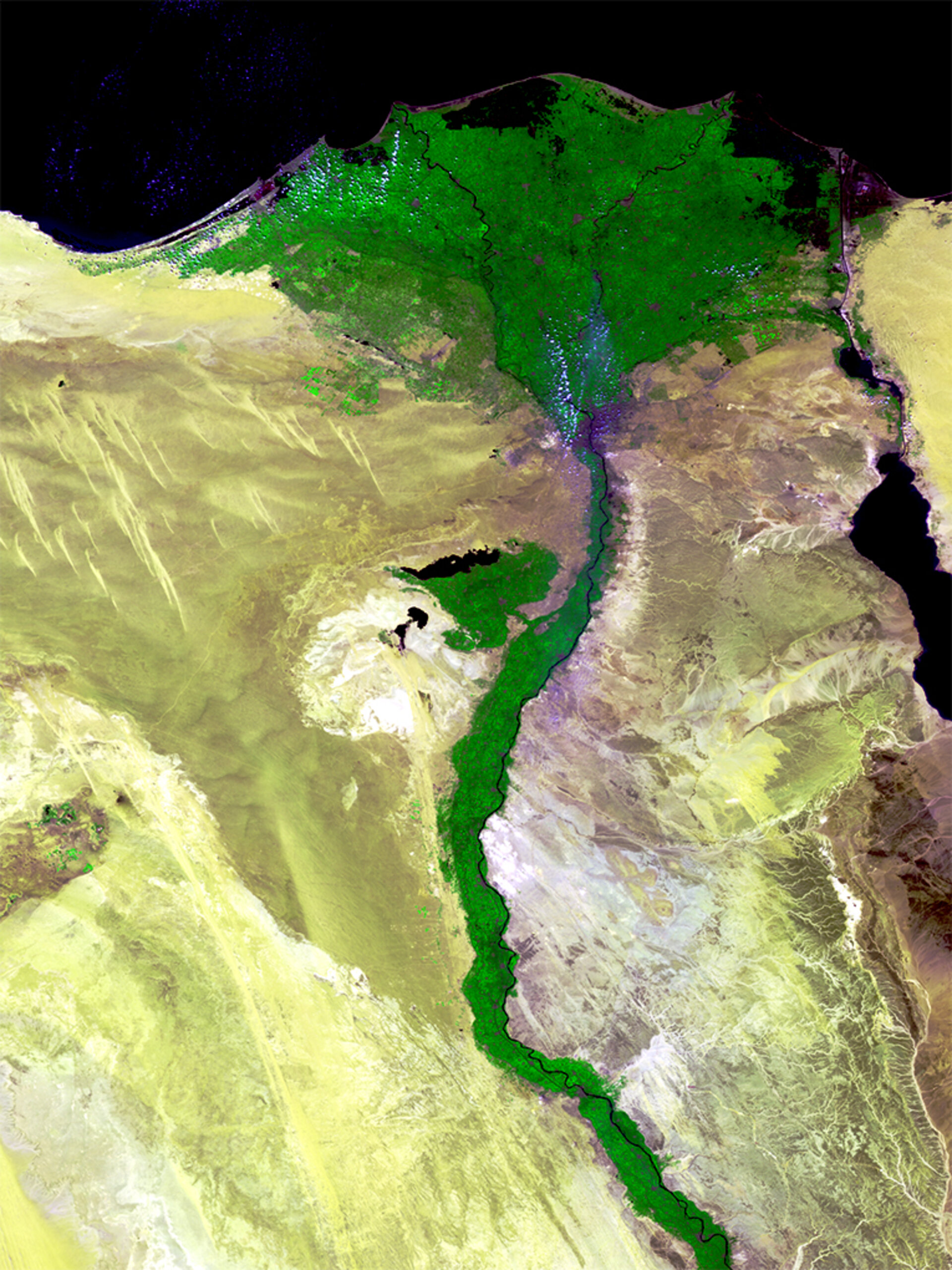
As we move into the coming week, the focus remains on endurance and safety. While the heat is a familiar feature of the Egyptian summer, the intensity of this current wave serves as a reminder of the importance of community vigilance. Whether you are navigating the streets of Cairo or working in the agricultural sectors of the Nile Delta, staying informed is your best defense against the elements.

We will continue to monitor the situation as the week progresses and provide updates should official warnings be upgraded or if new data emerges from the meteorological stations. We encourage our readers to share this information with family and neighbors to ensure that everyone in our community remains prepared and safe.
What are you seeing in your area? If you have observations or safety tips to share, please leave a comment below or join the conversation on our social media channels.
Related reading