
Foreign Secretary Yvette Cooper has concluded a three-day diplomatic mission to China and India, marking a concerted effort to navigate the complex landscape of international security, economic resilience, and technological governance. The visit, which wrapped up on June 6, 2026, saw the Foreign Secretary engage with senior officials in Beijing, Shenzhen, and New Delhi to address a broad portfolio of geopolitical challenges, ranging from the ongoing conflict in Ukraine to the stability of critical maritime trade routes.
This high-level tour underscores the United Kingdom’s commitment to maintaining channels of communication with major global powers, even amidst areas of significant policy divergence. According to the Foreign, Commonwealth & Development Office (FCDO), the agenda was designed to balance cooperation where interests overlap—such as in health innovation and supply chain security—while directly challenging partners on issues where the UK maintains a firm, opposing stance. The trip represents a strategic push to bolster the UK’s position on the global stage at a time of heightened international tension.
Beijing Discussions on Global Stability
During the Beijing leg of the journey, the Foreign Secretary held meetings with Vice President Han Zheng and Foreign Minister Wang Yi. These discussions were framed by the current climate of geopolitical instability, with the UK delegation focusing on several key friction points. A primary focus was the situation in Ukraine; the Foreign Secretary called for an immediate ceasefire and urged China to cease any economic support that might sustain Russia’s illegal war. This firm diplomatic posture reflects the UK’s ongoing efforts to isolate the Russian economy and push for a diplomatic resolution to the conflict.

Beyond the European theater, the talks in Beijing addressed Middle Eastern stability, with specific emphasis on the Strait of Hormuz. The Foreign Secretary advocated for the reopening of this critical maritime route without the imposition of tolls or additional charges, highlighting its importance to international shipping and global economic stability. The delegation discussed international humanitarian efforts, specifically coordinated support for the Ebola outbreak currently affecting the Democratic Republic of the Congo, as well as the broader security situation in Sudan.
Technology and Health Innovation Partnerships
The visit also served as a platform for strengthening bilateral ties in the technology and life sciences sectors. In a notable development, the UK announced a new partnership between Prudential plc and the National Innovation Centre for Ageing. This initiative aims to establish local healthy ageing hubs across China, a move intended to provide commercial opportunities for British healthcare firms while addressing the shared demographic challenge of an ageing population.
In Shenzhen, the Foreign Secretary met with leaders from the technology and investment sectors. The dialogue centered on the rapid evolution of artificial intelligence and robotics. Recognizing the dual-use nature of these technologies, the meetings emphasized the necessity of international cooperation to ensure AI safety and security. This focus on “guardrails” for emerging technology aligns with the UK’s broader strategy of engaging with major tech hubs to prevent the misuse of AI and to promote global standards for responsible innovation.
Strategic Cooperation in India
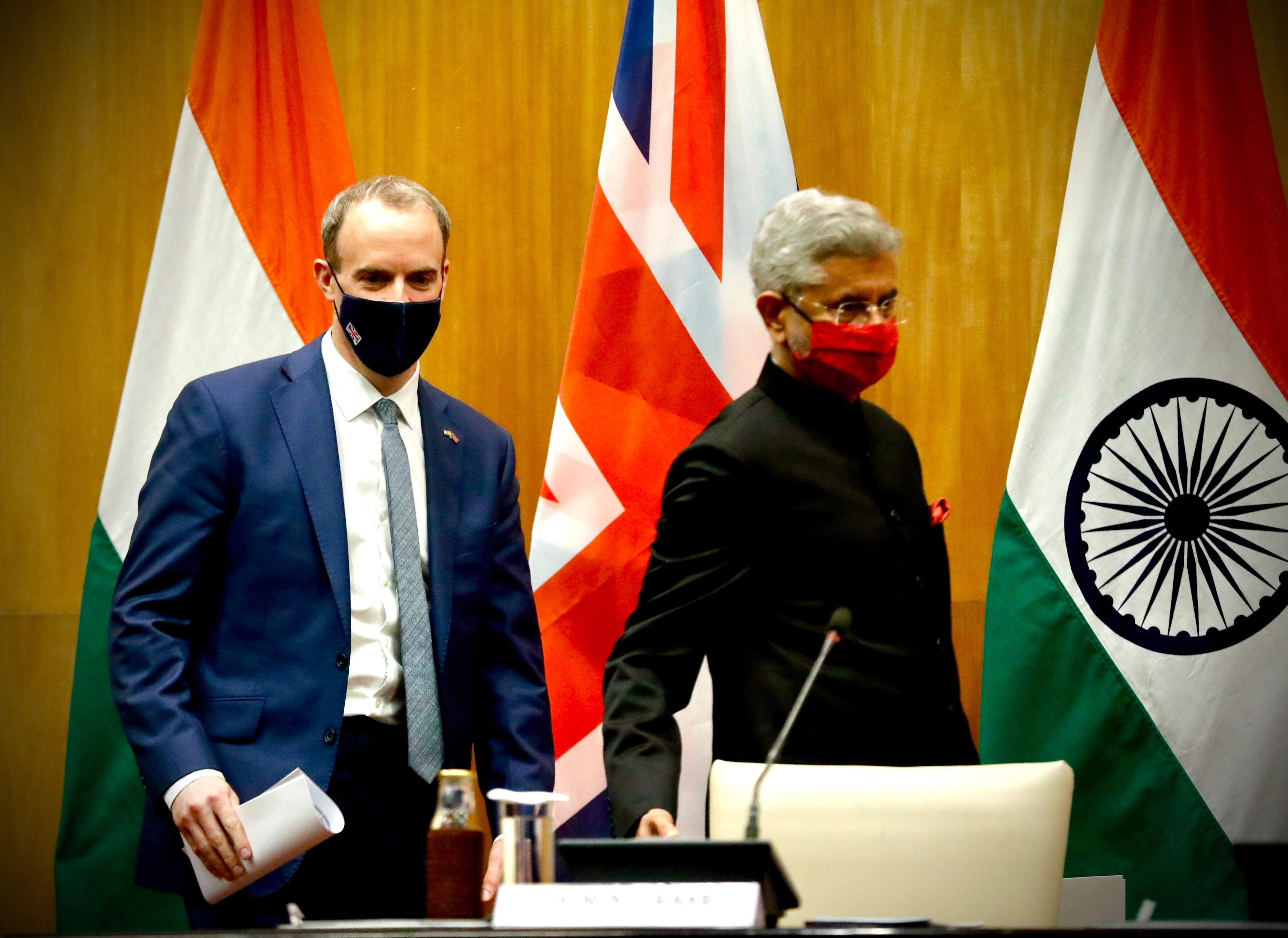
Following the China engagements, the Foreign Secretary traveled to New Delhi to meet with Prime Minister Narendra Modi and External Affairs Minister Dr. S. Jaishankar. These talks were rooted in the existing strategic framework defined by Vision 2035, which outlines a long-term roadmap for deeper UK-India cooperation. The discussions in New Delhi shifted toward the practicalities of economic resilience and maritime security.
A significant outcome of the India visit was the announcement of new initiatives focused on maritime security and the monitoring of critical mineral supply chains. By collaborating on shipping resilience, the two nations aim to protect their respective economies from global shocks. The Foreign Secretary once again raised concerns regarding the Strait of Hormuz, emphasizing how its closure directly impacts international trade and the security of supply chains. These initiatives are designed to ensure that both the UK and India remain insulated from the volatility of global shipping disruptions and the potential weaponization of trade routes.
Key Takeaways from the Mission
The three-day visit spanned multiple strategic objectives aimed at safeguarding UK interests while fostering international stability:
- Geopolitical Stance: The Foreign Secretary maintained a policy of “direct challenge” regarding Russia’s war in Ukraine, urging China to end economic support for the conflict.
- Maritime Security: New initiatives were launched with India to enhance shipping resilience and critical minerals monitoring, with a specific focus on keeping the Strait of Hormuz open.
- Technological Governance: Discussions in Shenzhen highlighted the urgent need for international safety standards regarding AI and robotics.
- Health Collaboration: The establishment of healthy ageing hubs via a partnership between Prudential plc and the National Innovation Centre for Ageing signals a commitment to long-term commercial and social cooperation with China.
For further updates on the implementation of these initiatives, stakeholders and members of the public are encouraged to follow official communications from the Foreign, Commonwealth & Development Office. As the UK continues to navigate these complex bilateral relationships, the outcomes of these meetings will likely serve as a baseline for future security and economic dialogues throughout the remainder of 2026. Official reports on the progress of the newly established maritime and minerals monitoring initiatives are expected in the coming months.
Related reading
- Europe & World News Today: Top Stories in Politics, Business & Culture (July 30, 2026)
- Russia Puts Telegram Founder Pavel Durov on Wanted List
- China Protests After NZ Foreign Minister Tells Chinese-Born MP to Go Back (time.news)
- China Gains Global Influence as Trump Administration Struggles With Containment (newsdirectory3.com)