
As regional dynamics continue to shift across the Middle East and the Mediterranean, Egypt has intensified its diplomatic outreach to key international partners. This strategic push, aimed at navigating growing regional tensions, reflects Cairo’s ongoing commitment to maintaining stability through multilateral dialogue and high-level communications.
In recent days, Egyptian Foreign Minister Badr Abdelatty has held a series of discussions with his international counterparts. These engagements are designed to align diplomatic perspectives on the current security landscape, ensuring that Cairo remains at the center of mediation efforts. The conversations underscore the importance of consistent communication between regional powers and their allies in managing the complexities of the current geopolitical environment.
Strengthening Strategic Alliances in the Mediterranean
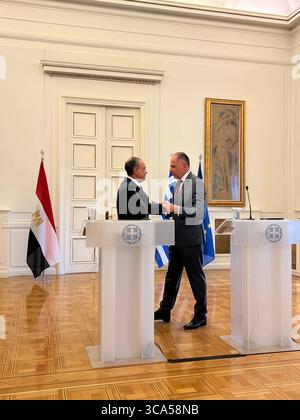
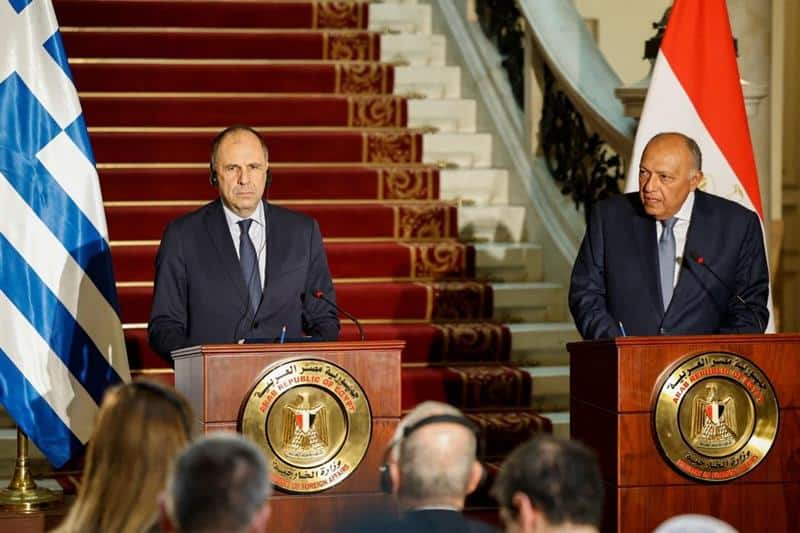
Among the most notable of these recent engagements was a conversation between Minister Abdelatty and his Greek counterpart, Giorgos Gerapetritis. This meeting highlights the enduring importance of the Egypt-Greece bilateral relationship, which has become increasingly significant in the context of Mediterranean energy cooperation and regional security architecture. Both nations have frequently emphasized the need for a stable and secure Eastern Mediterranean, a goal they pursue through institutionalized dialogue and shared strategic interests.
The diplomatic activity led by Cairo is not an isolated effort but part of a broader, proactive approach to regional policy. By maintaining open lines of communication with European partners, Egypt seeks to ensure that its national security priorities are well-represented in the broader international discourse. The collaboration with Greece, in particular, serves as a cornerstone for addressing shared challenges, ranging from maritime security to the stability of energy supply chains across the region.
The Role of Cairo in Regional Stability
Egypt’s current diplomatic posture is driven by the necessity of preventing further escalation in a neighborhood marked by volatility. As a key regional actor, Cairo utilizes its extensive network of contacts to facilitate communication between stakeholders, often acting as a bridge during periods of heightened tension. This role requires a delicate balance of interests, which Minister Abdelatty has been tasked with managing in his capacity as the head of the Egyptian diplomatic service.
The focus remains on “de-escalation” and “constructive engagement,” terms frequently utilized by Egyptian officials when describing their foreign policy objectives. By detailing these ongoing contacts to international partners, Egypt not only clarifies its own position but also seeks to build a consensus on the urgency of diplomatic solutions. This approach is essential for preventing the spillover of conflicts that could have long-term economic and humanitarian consequences for the region.
Future Outlook and Diplomatic Priorities
Looking ahead, the trajectory of Egypt’s foreign policy will likely remain centered on these intensive bilateral and multilateral consultations. As the situation remains fluid, observers expect Cairo to continue its high-level diplomatic outreach, focusing on building sustainable frameworks for regional cooperation. For the international business and policy community, these developments are critical indicators of the stability of the Eastern Mediterranean, a vital corridor for global trade and energy security.
The effectiveness of these efforts will depend on the continued willingness of regional and international actors to engage in meaningful, results-oriented dialogue. Egypt’s ability to navigate these currents will be a defining factor in its regional influence throughout the remainder of the year. As the situation evolves, the focus will stay on maintaining the delicate balance of interests that currently defines the Mediterranean security landscape.
We encourage our readers to stay engaged with these developments as further updates become available through official diplomatic channels. For those tracking the economic and geopolitical implications of these events, monitoring the latest statements from the Egyptian Ministry of Foreign Affairs remains the most reliable method for obtaining verified information. We welcome your perspectives on these shifting regional dynamics in the comments section below.
Keep reading