
Mexico Arrests High-Profile Jalisco Cartel Leader “El Jardinero” in Major Blow to Organized Crime
In a significant victory for Mexican law enforcement, authorities have arrested Audias Flores Silva, known as “El Jardinero,” a top commander of the powerful Jalisco New Generation Cartel (CJNG). The operation, carried out by Mexican Navy special forces, took place in the western state of Nayarit, marking one of the most high-profile captures in Mexico’s ongoing battle against drug trafficking organizations.
Flores Silva, whose alias translates to “The Gardener,” was considered a key regional leader within the CJNG, a group responsible for much of the drug-related violence plaguing Mexico in recent years. His arrest comes as part of a broader effort by Mexican and U.S. Authorities to dismantle the cartel’s leadership structure, which has been linked to the trafficking of cocaine, heroin, and fentanyl across North America.
Mexican Security Secretary Omar García Harfuch confirmed the arrest on Monday, April 27, 2026, during a press briefing. García Harfuch described Flores Silva as “one of the most dangerous and influential figures within the CJNG,” with control over vast territories along Mexico’s Pacific coast. The operation, which involved elite naval units, underscores the Mexican government’s intensified focus on targeting cartel leadership rather than lower-level operatives.
Who Is “El Jardinero”? A Rising Figure in the CJNG
Audias Flores Silva, 42, had long been on the radar of both Mexican and U.S. Authorities. According to the U.S. Department of State, Flores Silva was added to the Foreign Narcotics Kingpin Designation list in 2023, a move that freezes any assets he may have held in the United States and prohibits U.S. Citizens from engaging in transactions with him. The designation also highlighted his role in overseeing the cartel’s drug trafficking operations, particularly the smuggling of cocaine and heroin into the U.S.
Flores Silva’s criminal career spans over two decades. Mexican authorities previously arrested him in 2015 on drug trafficking charges, and he served a five-year prison sentence before being released in 2020. Upon his release, he reportedly returned to the CJNG, quickly rising through the ranks to turn into one of the cartel’s most trusted regional commanders. His influence extended across Nayarit and neighboring states, where the CJNG has been locked in violent turf wars with rival cartels, including the Sinaloa Cartel.
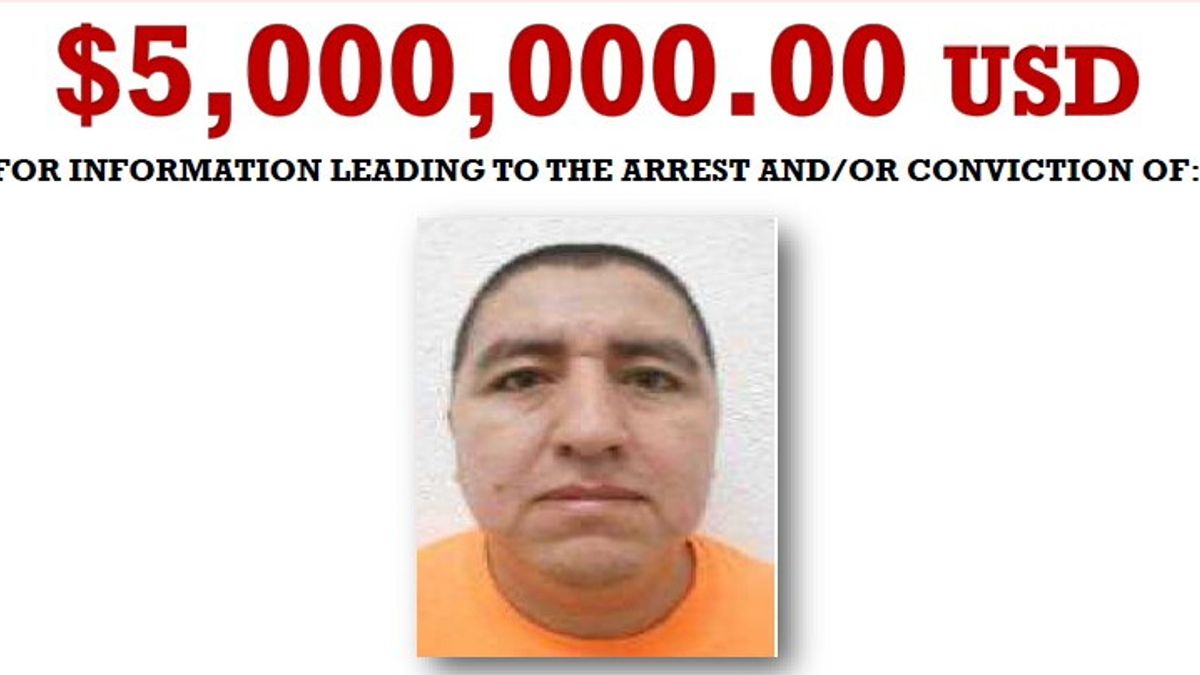
U.S. Authorities had offered a reward of up to $5 million for information leading to his capture, reflecting the severity of his alleged crimes. The U.S. Department of Justice had also filed multiple charges against him, including conspiracy to distribute narcotics and firearms offenses. With his arrest, Mexican authorities are expected to begin extradition proceedings, though the timeline for such a process remains uncertain.
The CJNG: Mexico’s Most Powerful Cartel
The Jalisco New Generation Cartel, founded in 2010, has rapidly grown into one of the most dominant criminal organizations in Mexico. Led by Nemesio Oseguera Cervantes, known as “El Mencho,” the CJNG has expanded its operations beyond drug trafficking to include extortion, kidnapping, and fuel theft. The group is also notorious for its brutal tactics, including the use of military-grade weaponry and public displays of violence to intimidate rivals and authorities.

El Mencho, who remains at large, is one of the most wanted criminals in the world, with the U.S. Offering a $10 million reward for information leading to his arrest. Flores Silva was widely seen as a potential successor to El Mencho, given his strategic importance within the cartel. His arrest leaves a significant void in the CJNG’s leadership, though experts warn that the cartel’s decentralized structure allows it to adapt quickly to such setbacks.
The CJNG’s rise has been fueled by its ability to exploit Mexico’s lucrative drug trafficking routes, particularly those leading to the U.S. Border. The cartel is a major supplier of fentanyl, a synthetic opioid responsible for a growing number of overdose deaths in the United States. According to the U.S. Drug Enforcement Administration (DEA), the CJNG is responsible for a significant portion of the fentanyl seized in the U.S., making it a top priority for law enforcement on both sides of the border.
What Happens Next?
Flores Silva’s arrest is likely to trigger a period of instability within the CJNG as rival factions vie for control of the territories he once oversaw. Historically, the arrest or killing of a cartel leader has led to increased violence as competing groups seek to fill the power vacuum. In Nayarit and surrounding states, residents may face heightened risks of cartel-related violence in the coming weeks.
For Mexican authorities, the focus will now shift to extraditing Flores Silva to the United States, where he faces multiple charges. However, extradition processes in Mexico can be lengthy and are often subject to legal challenges. In the past, high-profile cartel leaders, such as Joaquín “El Chapo” Guzmán, have fought extradition for years before ultimately being sent to the U.S.
In the broader context, Flores Silva’s arrest is a symbolic victory for Mexican President Andrés Manuel López Obrador’s administration, which has faced criticism for its approach to combating organized crime. Whereas the government has emphasized a strategy of “hugs, not bullets” (abrazos, no balazos), focusing on social programs to address the root causes of crime, critics argue that such measures have done little to curb the power of cartels like the CJNG.
The Human Cost of Cartel Violence
The arrest of a figure like Flores Silva serves as a stark reminder of the human toll of Mexico’s drug war. Since 2006, when the Mexican government launched a military-led offensive against cartels, more than 350,000 people have been killed in drug-related violence, according to Human Rights Watch. Thousands more have disappeared, and entire communities have been displaced by the conflict.

In Nayarit, where Flores Silva was captured, residents have long lived under the shadow of cartel violence. The state, known for its picturesque beaches and tourist destinations, has also become a battleground for control between the CJNG and rival groups. Local businesses, particularly those in the hospitality and transportation sectors, have been targeted for extortion, while journalists and activists reporting on cartel activities have faced threats and violence.
For families of victims of cartel violence, arrests like this offer little solace. Many have criticized the Mexican government for failing to address the systemic corruption that allows cartels to operate with impunity. While the arrest of a high-profile leader like Flores Silva may disrupt the CJNG’s operations in the short term, experts warn that lasting change will require a more comprehensive approach, including judicial reform, anti-corruption measures, and economic opportunities for at-risk communities.
Key Takeaways
- High-Profile Arrest: Audias Flores Silva, known as “El Jardinero,” was arrested in Nayarit, Mexico, on April 27, 2026, by Mexican Navy special forces. He is a top commander of the Jalisco New Generation Cartel (CJNG).
- U.S. Extradition Request: Flores Silva faces multiple charges in the United States, including drug trafficking and firearms offenses. The U.S. Had offered a $5 million reward for his capture.
- CJNG’s Dominance: The CJNG is one of Mexico’s most powerful cartels, responsible for trafficking cocaine, heroin, and fentanyl into the U.S. Its leader, Nemesio Oseguera (“El Mencho”), remains at large.
- Potential for Violence: Flores Silva’s arrest could lead to increased cartel violence in Nayarit and surrounding states as rival factions compete for control.
- Broader Implications: The arrest highlights the ongoing challenges Mexico faces in combating organized crime, including corruption, weak institutions, and the cartels’ ability to adapt to leadership losses.
What Readers Can Do
For those interested in staying informed about developments in Mexico’s drug war, the following resources provide reliable updates:
- U.S. Department of State – For information on U.S. Efforts to combat drug trafficking and extradition requests.
- Mexican Secretary of National Defense (SEDENA) – For official updates on military operations against cartels.
- Human Rights Watch – For reports on the human rights impact of Mexico’s drug war.
The next official update on Flores Silva’s legal status is expected within the coming weeks as Mexican authorities begin extradition proceedings. In the meantime, the arrest serves as a reminder of the complex and ongoing struggle to dismantle Mexico’s powerful criminal organizations.
What are your thoughts on Mexico’s approach to combating cartels? Do you consider arrests like this will have a lasting impact, or are they merely temporary setbacks for these organizations? Share your views in the comments below and join the conversation on social media.