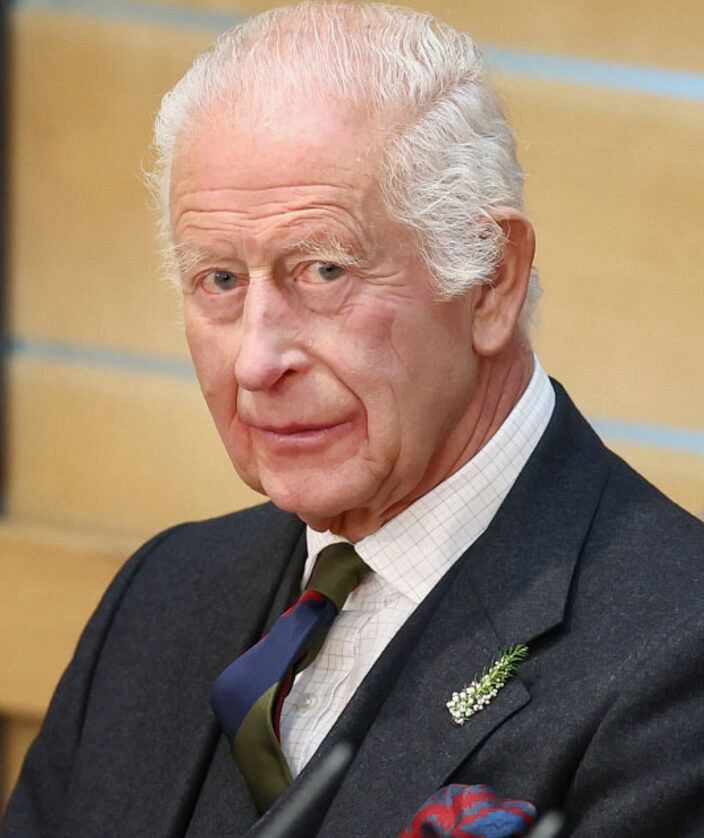
King Charles III Begins Historic U.S. State Visit Amid Strained U.S.-UK Relations
WASHINGTON — King Charles III of the United Kingdom arrived in the United States on Sunday for a four-day state visit, marking his first official trip to the country since ascending to the throne. The visit comes at a pivotal moment in U.S.-UK relations, as both nations prepare to commemorate the 250th anniversary of American independence from British colonial rule on July 4. The trip is widely seen as an opportunity to mend diplomatic tensions that have surfaced under the administration of U.S. President Donald Trump and UK Prime Minister Keir Starmer.
King Charles and Queen Camilla touched down at Joint Base Andrews in Maryland on the afternoon of April 27, where they were greeted by U.S. Officials. The royal couple later visited the White House for a private tea with President Trump and First Lady Melania Trump. The meeting, described by officials as “warm and constructive,” set the tone for a series of high-profile engagements aimed at reinforcing the so-called “special relationship” between the two nations. The visit will include a formal dinner at the White House, a speech before the U.S. Congress, and commemorative events in New York and Virginia.
This state visit is the first by a British monarch to the U.S. Since Queen Elizabeth II’s trip in 2007. It also coincides with a period of heightened geopolitical tension, particularly over the U.S. And Israel’s recent military actions against Iran, which the UK declined to support. President Trump has publicly criticized Prime Minister Starmer’s stance, straining the traditionally close alliance between the two countries. However, Trump has repeatedly expressed admiration for the British royal family, calling King Charles a “wonderful man” in a recent interview with the BBC and suggesting that the visit could help “reset” relations.
A Visit Marked by History and Diplomacy
The timing of King Charles’ visit is no coincidence. The U.S. Will celebrate the 250th anniversary of the Declaration of Independence on July 4, 2026, a milestone that has prompted reflection on the complex history between the two nations. Whereas the U.S. And UK have long maintained a strong alliance, the anniversary serves as a reminder of their shared past, including the Revolutionary War that led to American independence. For King Charles, the visit is an opportunity to honor this history while looking ahead to the future of the transatlantic partnership.

During his stay, the King will participate in several key events. On April 28, he will hold a private meeting with President Trump at the White House, followed by an address to a joint session of Congress. The speech is expected to focus on themes of unity, shared values, and the importance of the U.S.-UK alliance in addressing global challenges. Later that evening, the King and Queen Camilla will attend a state dinner hosted by the Trumps, a tradition that underscores the diplomatic significance of the visit.
On April 29, the royal couple will travel to New York City to pay their respects at the 9/11 Memorial, honoring the victims of the 2001 terrorist attacks. The visit to the memorial is a poignant reminder of the solidarity between the U.S. And UK in the face of tragedy. Later, they will head to Virginia, where King Charles will attend a ceremony marking the 250th anniversary of the signing of the Declaration of Independence. The event, held in Williamsburg, will feature reenactments and speeches celebrating the historic document and its enduring legacy.
Diplomatic Hopes and Political Tensions
The state visit comes at a time when U.S.-UK relations have faced significant strain. President Trump has been vocal in his criticism of Prime Minister Starmer’s government, particularly over its refusal to join the U.S. And Israel in military action against Iran. In a recent interview with the BBC, Trump described the UK’s position as “disappointing” and suggested that Starmer’s leadership had weakened the alliance. The Prime Minister’s office, however, has downplayed the tensions, emphasizing the importance of the “special relationship” and the role of the royal visit in strengthening ties.
Despite the political friction, Trump has consistently expressed admiration for the British monarchy. In the same BBC interview, he praised King Charles as a “great man” and expressed confidence that the visit would help “mend fences” between the two nations. The President’s respect for the royal family was evident during his own state visit to the UK in September 2023, where he was reportedly impressed by the hospitality extended by King Charles and Queen Camilla. Trump’s positive remarks about the monarchy have fueled hopes that the visit could serve as a catalyst for improved diplomatic relations.
However, the visit is not without its challenges. Prime Minister Starmer has faced pressure from the Trump administration to adopt more stringent immigration policies and to expand oil and gas exploration in the North Sea. These demands have sparked debate within the UK government, with some officials arguing that they could undermine the country’s climate commitments. The King’s visit is unlikely to resolve these issues directly, but it may provide an opportunity for behind-the-scenes diplomacy to address them.
The Royal Itinerary: A Blend of Ceremony and Substance
The King’s itinerary reflects a careful balance between ceremonial duties and substantive engagements. Below is a breakdown of the key events during the four-day visit:
- April 27: Arrival at Joint Base Andrews. private tea at the White House with President and First Lady Trump.
- April 28: Meeting with President Trump; address to the U.S. Congress; state dinner at the White House.
- April 29: Visit to the 9/11 Memorial in New York City; ceremony in Virginia marking the 250th anniversary of the Declaration of Independence.
- April 30: Departure from the U.S.
The visit also includes several cultural and symbolic gestures. For example, the King is expected to lay a wreath at the Tomb of the Unknown Soldier in Arlington National Cemetery, a tradition that honors the sacrifices of American and British servicemen and women. The royal couple will attend a reception at the British Embassy in Washington, where they will meet with leaders from the U.S. Business and cultural communities.
Why This Visit Matters
The state visit of King Charles III is more than a ceremonial event; We see a strategic opportunity to reinforce the U.S.-UK alliance at a time of global uncertainty. The 250th anniversary of American independence provides a unique backdrop for the visit, allowing both nations to reflect on their shared history while addressing contemporary challenges. For the UK, the visit is an opportunity to reaffirm its commitment to the “special relationship” and to demonstrate the enduring relevance of the monarchy in modern diplomacy.
For the U.S., the visit offers a chance to strengthen ties with a key ally at a time when international partnerships are increasingly important. The Trump administration has emphasized the require for strong alliances in addressing global threats, from terrorism to climate change. The King’s visit could help bridge the gap between the two nations on these issues, particularly if it leads to renewed cooperation on security and economic policies.
Public reaction to the visit has been largely positive, with many Americans expressing admiration for the British royal family. A recent poll conducted by Pew Research Center found that 62% of Americans view the UK favorably, a sentiment that has remained consistent over the past decade. The poll also revealed that 55% of Americans believe the U.S.-UK alliance is “very important” to U.S. Interests, underscoring the significance of the royal visit in reinforcing this relationship.
Looking Ahead: What Comes Next?
As King Charles III concludes his state visit on April 30, the focus will shift to the lasting impact of his engagements. While the visit is unlikely to resolve all the diplomatic tensions between the U.S. And UK, it is expected to set a positive tone for future discussions. Both governments have expressed optimism that the trip will pave the way for closer cooperation on issues such as trade, security, and climate change.
The next major milestone in U.S.-UK relations will be the G7 summit, scheduled to take place in Italy in June 2026. Prime Minister Starmer and President Trump are both expected to attend, providing another opportunity for the two leaders to address their differences and explore areas of collaboration. In the meantime, the royal visit serves as a reminder of the deep historical ties between the two nations and the potential for renewed partnership in the years ahead.
For readers interested in following the developments of King Charles’ visit, official updates can be found on the British Monarchy’s official website and the White House’s official website. As the visit unfolds, we will continue to provide in-depth coverage of the events and their implications for the U.S.-UK relationship.
What are your thoughts on King Charles III’s state visit to the U.S.? Do you believe it will help strengthen the “special relationship” between the two nations? Share your comments below and join the conversation.