
Meta employees in the U.S. Are rallying against a new wave of workplace surveillance, this time targeting the subtle yet invasive tracking of mouse movements—a technology that has sparked legal concerns and internal dissent. On Tuesday, May 12, 2026, staffers at multiple offices distributed flyers urging colleagues to sign a petition opposing the company’s recent deployment of mouse-tracking software, a move that raises questions about privacy rights and the boundaries of employer oversight in the digital age.
The protest follows a broader trend of employee pushback against productivity-monitoring tools, which have proliferated in tech companies amid remote-work policies and hybrid schedules. While Meta has not publicly confirmed the software’s purpose—whether for performance analytics, security, or other operational needs—the installation has ignited debates over informed consent and whether such tools cross the line into unauthorized surveillance. Legal experts warn that without clear disclosure and employee agreement, companies risk violating privacy laws, including the Federal Trade Commission’s guidelines on data collection and state-specific regulations like California’s Consumer Privacy Act.
This represents not an isolated incident. Similar protests have erupted in recent months at other major tech firms, where employees argue that passive monitoring—such as keystroke logging, screen captures, or even mouse-tracking—creates an atmosphere of distrust. The flyers distributed by Meta employees include a direct appeal to labor protections, stating that “workers are legally protected when they choose to organize for the improvement of working conditions”, a reference to provisions under the National Labor Relations Act. The company has not yet responded to requests for comment.
Why Mouse-Tracking Software Sparks Legal and Ethical Concerns
Mouse-tracking technology, often bundled with broader employee-monitoring suites, operates by recording the speed, direction, and patterns of a user’s cursor movements. Proponents argue it can detect distracted or disengaged employees by analyzing deviations from expected workflows—for example, prolonged pauses or erratic navigation. Critics, however, contend that such data can reveal sensitive personal behaviors, such as stress levels, cognitive disabilities, or even political leanings if combined with other tracking metrics.
“The line between productivity enhancement and privacy invasion is razor-thin,” says Jonathan D. Steele, Esq., a cybersecurity attorney specializing in workplace surveillance. “Companies must ask: Is this tool necessary for legitimate business purposes, or is it being used to create a culture of fear?” Steele notes that recent legal precedents have favored employees in cases where monitoring was not disclosed upfront or lacked a clear policy framework.
Meta’s move comes as regulators increasingly scrutinize digital workplace oversight. In 2025, the European Union’s Artificial Intelligence Act introduced stricter rules on AI-driven monitoring in professional settings, and U.S. States like New York have proposed bills to mandate employee consent for surveillance tools. The lack of federal uniformity in the U.S. Leaves companies in a legal gray area, where enforcement often depends on individual state laws or internal company policies.
Stakeholders and the Broader Impact
The protest at Meta reflects tensions between corporate efficiency and worker autonomy, two priorities that have clashed repeatedly in the tech industry. For employees, the issue extends beyond mouse movements: it symbolizes a broader erosion of trust in remote and hybrid work environments. A 2025 survey by Gartner found that 68% of tech workers reported feeling less productive when subjected to unannounced monitoring, while 42% said it increased stress levels. The data suggests that invasive tracking may achieve the opposite of its intended goal—boosting morale rather than output.
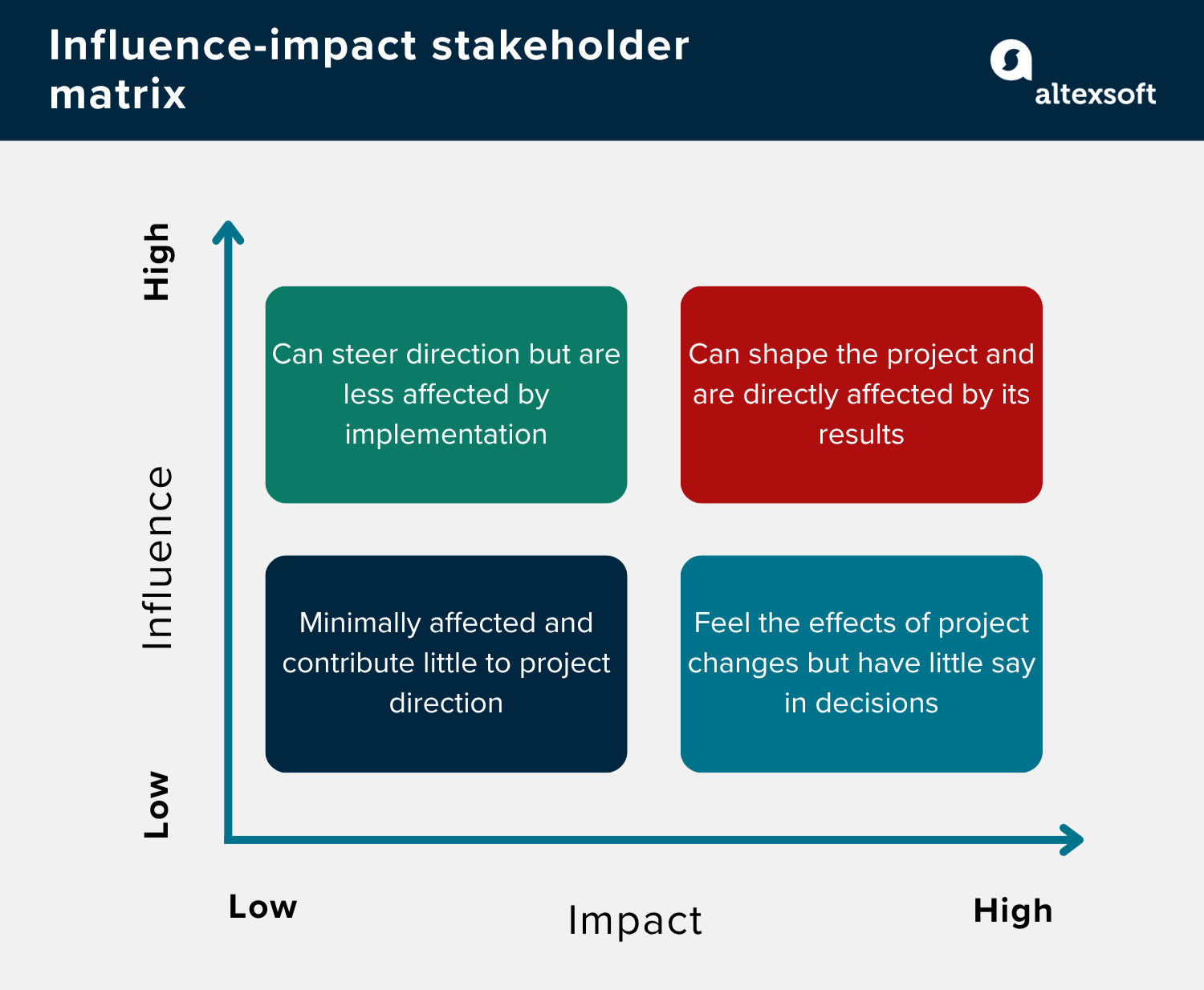
For Meta, the controversy risks reputational damage at a time when the company is already navigating scrutiny over data privacy scandals and labor practices. The social media giant has faced previous backlash for internal surveillance tools, including a 2024 incident where employees discovered keystroke-logging software installed without prior notice. That case led to a settlement with the Equal Employment Opportunity Commission over allegations of discriminatory monitoring.
Union representatives and labor advocates see the protest as a test case for organizing rights in the tech sector. “This isn’t just about mouse movements—it’s about whether employees have a voice in how their workplaces are designed,” said Sarah Chen, a spokesperson for the Tech Workers Coalition. “If companies can install surveillance tools without transparency, what’s next?”
What Happens Next? Legal and Company Responses
Meta has not issued a public statement on the protest, but internal sources suggest the company may pause the rollout of the mouse-tracking software while reviewing its workplace monitoring policy. Legal experts anticipate one of two outcomes:
- Policy Overhaul: Meta could revise its surveillance guidelines to include mandatory disclosures and employee opt-out clauses, aligning with best practices in privacy-compliant monitoring.
- Legal Challenge: If employees escalate the protest to a National Labor Relations Board complaint, the company may face penalties for unfair labor practices if the monitoring was deemed coercive.
In the meantime, employees are advised to:
- Review their company’s acceptable use policy for monitoring disclosures.
- Consult FTC guidelines on workplace surveillance.
- Join or form employee resource groups to advocate for transparency.
Key Takeaways
- Mouse-tracking software is the latest frontier in employee surveillance, raising legal and ethical questions about consent and privacy.
- Meta employees are organizing under labor protections to challenge the technology’s deployment without prior notice.
- Regulatory scrutiny is intensifying, with state and federal laws increasingly requiring transparency in workplace monitoring.
- Companies risk productivity backlash and legal exposure if they fail to disclose or justify surveillance tools.
- Employees should document incidents and seek legal counsel if they believe their rights have been violated.
As the protest gains traction, the next checkpoint will likely be Meta’s official response by May 19, 2026, when the company is expected to either clarify its monitoring policy or face further organized action from employees. In the interim, workers at other tech firms are watching closely—this could set a precedent for industry-wide labor rights in the digital workplace.
What are your experiences with workplace monitoring? Share your thoughts in the comments below or on our social media channels. For updates on this story, bookmark this page or subscribe to our Tech & Workplace Rights newsletter.
Keep reading