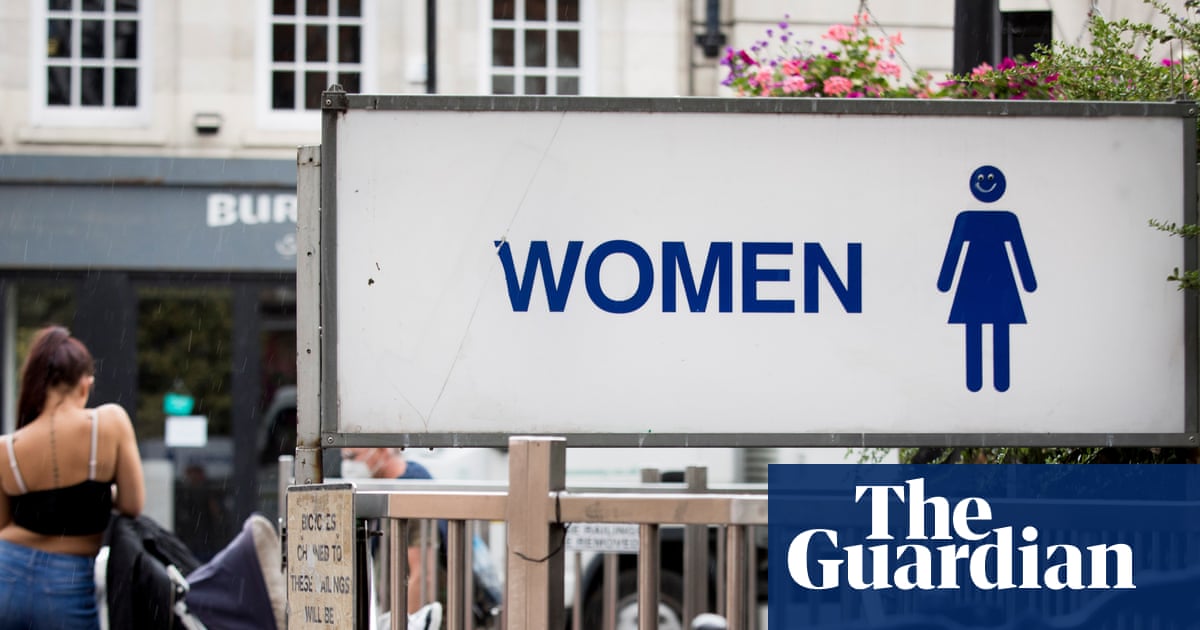
Public access to toilets in England has declined significantly over the past decade, raising concerns about public health, dignity, and the usability of urban spaces. A recent analysis by the Royal Society for Public Health (RSPH) highlights a growing disparity in sanitation infrastructure across the UK, with England lagging behind Scotland and Wales in provision per capita. The findings underscore how inadequate toilet access affects not only individuals with medical needs or disabilities but also broader efforts to support vibrant, inclusive high streets and public realms.
The RSPH report, published in April 2026, found that the number of publicly available toilets in England has fallen by 14% since 2016. This decline translates to one toilet for every 15,481 people in England, compared to one for every 8,500 in Scotland and one for every 6,748 in Wales. These figures reflect a widening gap in access that campaigners argue undermines basic public health principles and disproportionately impacts older adults, people with chronic conditions, parents with young children, and those experiencing homelessness.
Beyond individual hardship, the erosion of public toilet networks has tangible consequences for local economies. Town and city centres rely on accessible facilities to encourage longer visits, support retail and hospitality sectors, and ensure that public spaces remain welcoming to all. When toilets are scarce or poorly maintained, visitors may cut trips short, avoid certain areas altogether, or resort to unsuitable alternatives—undermining efforts to revitalise high streets after years of economic strain.
To understand the full scope of this issue, it is essential to examine the drivers behind the decline, the health and social implications, and the policy responses emerging across the UK. Even as the RSPH analysis provides a clear snapshot of current disparities, deeper investigation reveals a complex interplay of funding pressures, shifting responsibilities, and evolving public expectations around urban infrastructure.
Understanding the Decline in Public Toilet Provision
The reduction in public toilets across England is not the result of a single policy shift but rather a cumulative effect of financial constraints on local authorities. Since 2010, many councils have faced significant reductions in central government funding, prompting difficult decisions about discretionary services. Public toilets, often classified as non-statutory provisions, have been particularly vulnerable to closure or transfer to community management models that lack sustainable support.
According to data from the Local Government Association (LGA), real-term spending power for English local authorities fell by approximately 29% between 2010/11 and 2021/22, limiting capacity to maintain non-essential amenities. While some councils have explored innovative solutions—such as community toilet schemes where businesses offer public access in exchange for rate relief or recognition—these initiatives remain unevenly distributed and often lack consistent monitoring or quality standards.
In contrast, Scotland and Wales have maintained stronger national frameworks for public toilet access. The Scottish Government’s ‘Public Toilets: A Guide for Local Authorities’ (2019) encourages strategic planning and highlights links to health equity and tourism. Similarly, Wales has integrated toilet provision into its broader public health and well-being goals under the Well-being of Future Generations (Wales) Act 2015, which mandates long-term consideration of social, economic, environmental, and cultural well-being in public policy.
These differing approaches help explain the persistent gap in access ratios. While England lacks a national strategy for public toilet provision, both Scotland and Wales benefit from clearer policy direction and targeted funding mechanisms that support consistency and accountability.
Health and Social Implications of Inadequate Access
The consequences of limited toilet access extend far beyond inconvenience. For individuals with conditions such as inflammatory bowel disease, diabetes, or prostate issues, the inability to find a toilet when needed can lead to anxiety, social withdrawal, and even accidents. The Bladder and Bowel Community, a UK-based charity, reports that nearly one in five people with bowel or bladder conditions avoid leaving home due to fears about toilet availability—a phenomenon sometimes referred to as ‘toilet anxiety’ or ‘loo leash’.
Older adults are also disproportionately affected. Age UK notes that reduced mobility and increased urinary frequency make reliable toilet access critical for maintaining independence and participation in community life. Without it, older people may limit their activities, contributing to isolation and diminished quality of life.
the absence of safe, clean toilets poses hygiene risks, particularly in densely populated areas. Inadequate sanitation can contribute to the spread of gastrointestinal illnesses, especially where handwashing facilities are lacking. During periods of heightened public health concern—such as norovirus outbreaks or seasonal influenza—access to functional handwashing stations becomes a matter of community protection.
There is also a growing recognition of the equity dimensions of toilet access. People experiencing homelessness, those in poverty, and individuals with disabilities often face compounded barriers when public facilities are scarce, poorly maintained, or designed without inclusivity in mind. Features such as changing places toilets—equipped with adult-sized changing benches and hoists—remain insufficiently distributed, despite growing demand.
Impact on High Streets and Urban Vitality
The decline in public toilets is increasingly seen as a threat to the economic and social vitality of town and city centres. Retailers and hospitality providers have long understood that accessible toilets encourage dwell time, which correlates with higher spending. A 2022 survey by the British Independent Retailers Association found that 68% of small businesses considered public toilet availability important for attracting and retaining customers, particularly in historic or tourist-heavy areas.
When toilets are missing or perceived as unsafe, visitors may choose to spend their time and money elsewhere—opting for out-of-town retail parks or online alternatives. This dynamic exacerbates the challenges facing traditional high streets, which have already contended with rising business rates, changing consumer habits, and the aftermath of the pandemic.
Some localities have responded by adopting ‘community toilet schemes,’ in which participating cafes, shops, or pubs allow members of the public to apply their facilities without requiring a purchase. These schemes, often supported by local councils through signage or small grants, aim to expand access while sharing responsibility with the private sector. Examples include initiatives in Bristol, Brighton, and parts of London, though uptake and consistency vary widely.
However, critics argue that relying on goodwill from businesses is insufficient to meet systemic needs. Without public investment and clear standards, such schemes risk creating a patchwork of access that depends on opening hours, willingness to participate, and subjective judgments about who is ‘allowed’ to use the facilities—a concern raised by disability advocates and equality groups.
Policy Responses and Calls for Action
In response to mounting evidence of inequity and declining provision, public health experts and civil society organisations have urged the UK government to adopt a national strategy for public toilet access. The Royal Society for Public Health has recommended that England develop a framework similar to those in Scotland and Wales, including minimum standards, funding mechanisms, and regular audits of provision.
In 2023, the Levelling Up, Housing and Communities Committee launched an inquiry into public toilets, gathering evidence from local authorities, charities, and urban planners. While the final report acknowledged the importance of the issue, it stopped short of recommending national legislation, instead emphasizing the role of local innovation and partnership working.
More recently, the UK Health Security Agency has begun to explore the links between sanitation infrastructure and infectious disease resilience, particularly in the context of urban heatwaves and large gatherings. Though not yet formalised into policy, this growing attention suggests a shift toward viewing toilet access as a component of broader public health preparedness.
At the local level, some councils are re-evaluating their approach. Manchester City Council, for example, piloted a network of automated, self-cleaning toilets in 2024 with support from the Mayor’s Office, aiming to reduce maintenance costs while improving availability. Similar trials are underway in Birmingham and Leeds, though long-term viability and public acceptance remain under review.
Advocacy groups such as Toilet Taxi, a charity that maps and campaigns for better toilet access, continue to push for greater transparency and accountability. Their online platform allows users to report facility conditions and locate nearby options, creating a crowdsourced dataset that highlights both gaps and successes in real time.
As demographic trends point to an ageing population and increasing awareness of neurodiversity and incontinence-related conditions, the demand for reliable, dignified toilet access is likely to grow. Addressing this need will require coordinated action across levels of government, sustained investment, and a recognition that sanitation is not a luxury—but a fundamental component of public health, equity, and urban life.
The next official update on public toilet provision in England is expected from the Local Government Association’s annual review of local authority services, scheduled for publication in late 2026. This report will provide the latest data on spending trends, service closures, and emerging innovations in municipal infrastructure.
If you have experiences or observations about public toilet access in your community, we encourage you to share them in the comments below. Your insights help deepen public understanding and support efforts to build more inclusive, healthy spaces for everyone. Please sense free to share this article with others who may find it relevant.
Related reading
- Does Sleep Deprivation Increase the Risk of COVID-19? New Study Findings
- Italy Places All 27 Monitored Cities on Red Heat Alert Amid European Heat Wave
- David R. Montgomery ReGen Book Explores Farming Food and Health Future (news-usa.today)
- Manchester Rail Operating Centre Power Failure Disrupts Northern England Trains (archyworldys.com)