
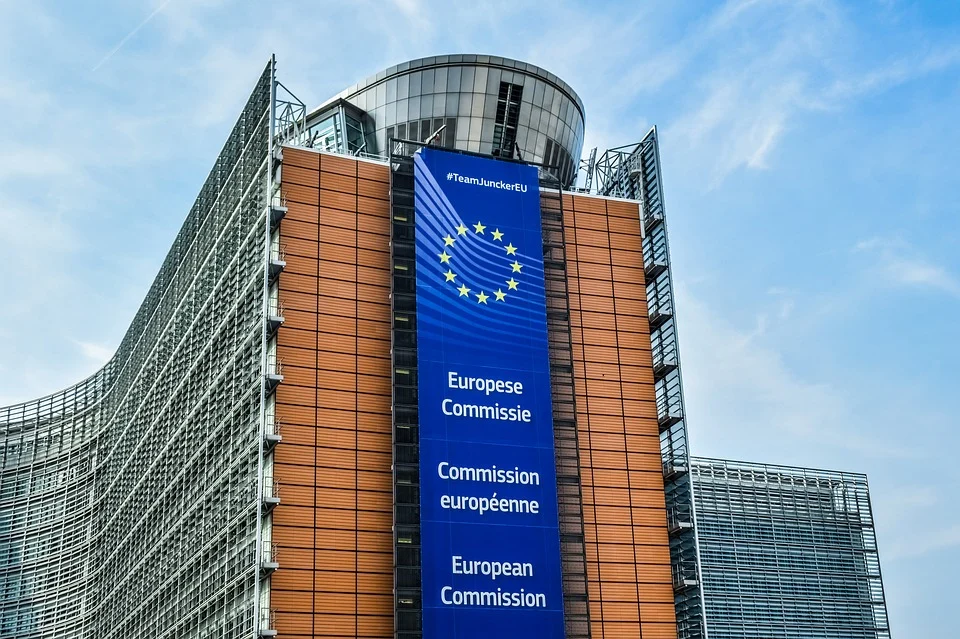
As we monitor the intersection of veterinary health and agricultural policy, a critical development has emerged concerning the management of infectious diseases within the European Union. The European Commission has taken decisive action to address the presence of lumpy skin disease (LSD) in cattle, implementing emergency protective measures that directly impact livestock management in affected regions, including Italy.
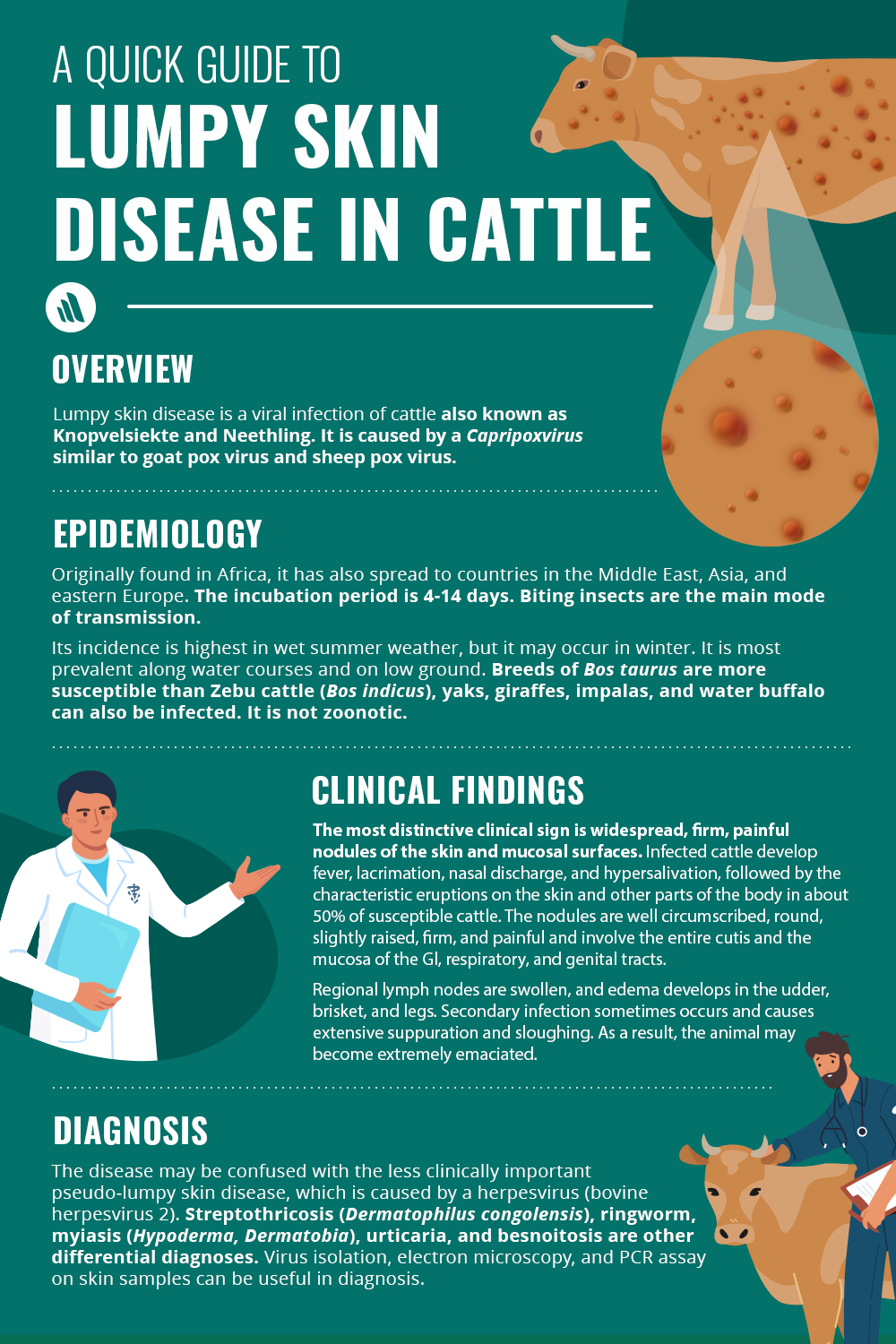
Lumpy skin disease is a viral infection caused by the Capripoxvirus, primarily affecting bovine species. The virus, which is transmitted largely through biting insects such as flies and mosquitoes, poses a significant threat to the agricultural sector, causing fever, skin nodules, and potential long-term economic damage due to reduced milk production and reproductive impairment. Understanding the regulatory framework governing this disease is essential for farmers, veterinarians, and stakeholders across the continent.
Understanding the Regulatory Framework for Animal Health
Under the established Animal Health Law (Regulation (EU) 2016/429), lumpy skin disease is classified as a Category A disease. This classification is significant because it indicates that the disease is not endemic to the European Union and requires immediate, mandatory eradication efforts whenever an outbreak is detected. The regulation provides a harmonized approach to disease control, ensuring that member states can act swiftly to contain potential spread.
The European Commission’s intervention in Italy reflects these strict requirements. By mandating emergency protective vaccination and movement controls, the Union aims to protect the integrity of the livestock sector while preventing the establishment of the virus within the region. These measures are designed to be both responsive to immediate threats and consistent with the broader goal of maintaining high animal health standards across all member states.
Transmission Risks and Mitigation Strategies
The transmission dynamics of the lumpy skin disease virus are complex, primarily involving arthropod vectors. Because direct contact between animals is considered to play a secondary role, control measures must focus heavily on environmental management and the reduction of vector populations. According to the European Commission’s food safety guidelines, the virus is notably stable in the environment, though it remains susceptible to most standard disinfectants.
The secondary risks, such as the shedding of the virus in semen and milk, necessitate rigorous testing and tracing protocols for breeding bulls and dairy operations. Because the virus can be transmitted to suckling calves through infected milk, the economic and biological impact on dairy herds is particularly severe. Farmers are encouraged to work closely with local veterinary authorities to ensure compliance with the latest vaccination schedules and biosecurity protocols mandated under EU emergency legislation.
Long-Term Impact on Agricultural Productivity
The economic implications of an LSD outbreak extend far beyond the immediate health of the herd. The disease is known for causing significant losses due to hides damage, weight loss in beef cattle, and the aforementioned reduction in milk output. For regions like Sardegna, which maintains a robust livestock sector, the implementation of EU emergency measures is a vital step in safeguarding the livelihood of producers.
The European Union continues to prioritize the strengthening of traceability and welfare standards, as evidenced by recent initiatives concerning the management of animal populations. While these efforts are broad in scope, the focus on specific diseases like LSD remains a cornerstone of the Union’s animal health priorities. By integrating modern traceability tools with traditional veterinary surveillance, the EU seeks to create a more resilient agricultural landscape capable of withstanding the challenges posed by emerging infectious diseases.
Key Considerations for Stakeholders
- Compliance: Ensure that all cattle operations strictly follow the emergency vaccination requirements as directed by regional veterinary services in alignment with Regulation (EU) 2016/429.
- Biosecurity: Enhance vector control measures on farms, specifically targeting areas where flies, mosquitoes, and ticks are known to thrive.
- Monitoring: Report any clinical symptoms, such as the appearance of painful nodules or unexplained fever in cattle, to the relevant national authorities immediately to facilitate rapid intervention.
As the situation continues to evolve, stakeholders are advised to consult the official portals of their national agricultural ministries and the European Commission’s food safety website for the most current updates on protective zones and vaccination requirements. Ensuring that data is accurately reported and that movement restrictions are respected is critical to the success of the eradication efforts currently underway.
We will continue to track the progress of these emergency measures and provide updates as new information from EU regulatory bodies becomes available. Readers are encouraged to share this information with local farming communities to ensure widespread awareness of the necessary health protocols. We invite you to join the conversation in the comments section below regarding the impact of these regulations on your local agricultural practices.
Related reading