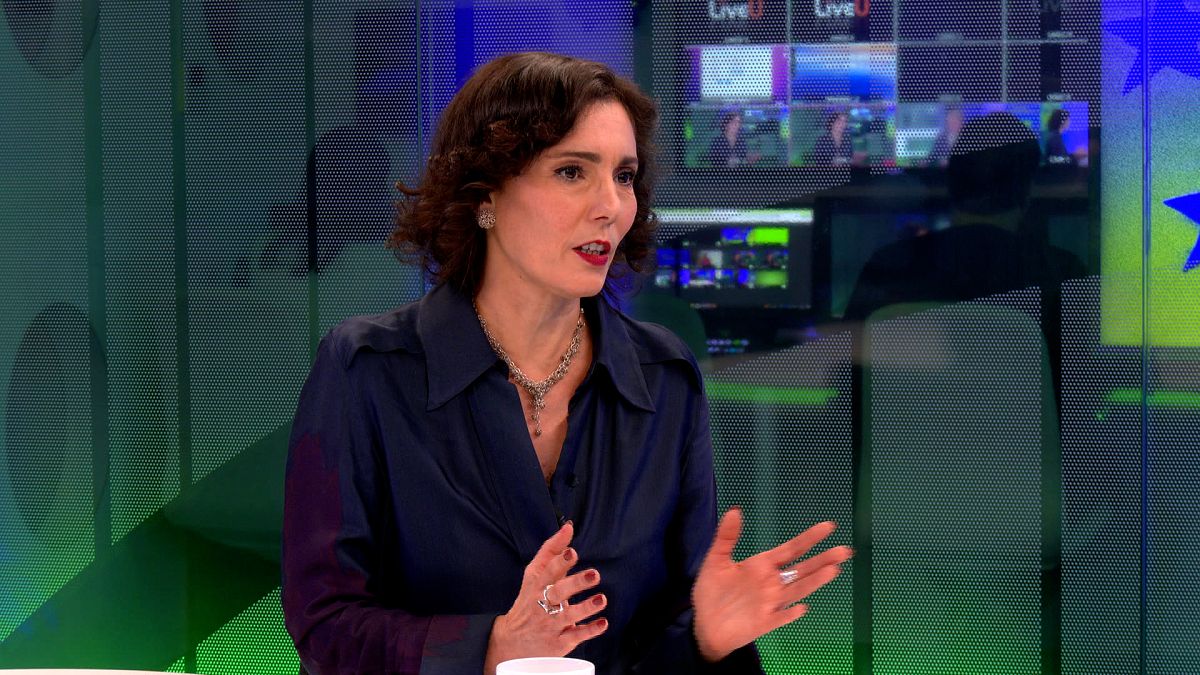
EU Navigates Post-Ceasefire Gaza & Ukraine Funding Challenges: A Strategic Balancing Act
The European Union is charting a complex course in the wake of the Gaza ceasefire, simultaneously focusing on humanitarian aid, long-term stability, and navigating contentious funding debates for Ukraine. As a key international actor, the EU is asserting its role in Middle East diplomacy while grappling wiht legal and political hurdles in sustaining support for Kyiv.This article provides an in-depth analysis of the EU’s current strategies, challenges, and future outlook.
Gaza: A Two-State Solution Without Hamas
Following the recent ceasefire agreement, the EU is determined to play a proactive role in shaping the future of Gaza. Though, this engagement is predicated on a firm condition: the complete dismantling of Hamas’s influence.
EU Commissioner for Crisis Management and Preparedness, Helena Lahbib, unequivocally stated, “Hamas is not an interlocutor for us, it’s a terrorist group.” The EU’s vision centers on a two-state solution, but one where Hamas is “disarmed and not being part of” the future governance of the territory.
Currently, the focus is on alleviating the immediate suffering of the Gazan population. The EU is urging Israel to expedite the implementation of the second phase of the ceasefire agreement,specifically increasing the daily allowance of aid trucks entering Gaza to 600.
* Humanitarian Aid: Prioritizing the delivery of essential supplies to civilians.
* Accountability: Pressuring Israel to uphold its commitments regarding aid access.
* Conditional Engagement: Maintaining a firm stance against Hamas’s involvement in future governance.
The EU isn’t shying away from leveraging its economic power to reinforce its principles. The EU Foreign Affairs Council is considering a partial suspension of the EU-Israel Association Agreement, prompted by concerns over potential human rights breaches. This move underscores the EU’s commitment to upholding its values even in strategic partnerships. The EU remains Israel’s largest trading partner and a important donor to the palestinian Authority, giving it considerable leverage.
Ukraine Funding: Legal Scrutiny & Belgian Concerns
While steadfast in its support for Ukraine, the EU is facing significant roadblocks in securing a €140 billion loan to Kyiv, funded by frozen Russian assets held at Euroclear in brussels. Belgium has expressed reservations, not due to a lack of commitment to Ukraine, but due to legitimate legal concerns.
Lahbib clarified that Belgium isn’t obstructing aid, but rather seeking legal safeguards. ”We don’t have an example to follow, and it needs to be secured from a legal point of view,” she explained. The primary worry revolves around potential Russian retaliation should sanctions be lifted and Moscow seek to reclaim its assets.
* Legal Precedent: The EU is navigating uncharted territory with this funding mechanism.
* Risk Mitigation: Belgium is prioritizing protection against potential legal challenges.
* Long-Term Commitment: The EU remains dedicated to supporting Ukraine ”provided that it takes.”
Despite intensive discussions at a recent European Council summit, a consensus on the funding plan remains elusive. The issue is expected to be revisited at subsequent summits in November or December.
Evolving Security Landscape & European Preparedness
The conversation shifted to broader European security,with Lahbib emphasizing the changing nature of modern warfare.She cautioned against a conventional understanding of conflict.
“War is not […] a soldier knocking at your door,” she stated. Today’s threats are more insidious and diverse, encompassing cyberattacks, chemical incidents, and even disruptions caused by infrastructure failures.
This necessitates a shift in preparedness, focusing on:
* Cybersecurity: Strengthening defenses against digital attacks.
* Resilience: Building robust infrastructure to withstand disruptions.
* Comprehensive Threat Assessment: Recognizing and preparing for a wider range of potential crises.
The EU is actively preparing for these evolving threats, recognizing that a holistic approach to security is paramount.
Looking Ahead:
The EU faces a delicate balancing act. It must uphold its principles, provide crucial aid, and navigate complex legal and political challenges. The coming months will be critical in determining the EU’s effectiveness in both the Middle East and its continued support for Ukraine. The EU’s ability to demonstrate unity,strategic foresight,and a commitment to its values will be essential in shaping a more stable and secure future for Europe and its partners.
Disclaimer: This article is based on information available as of October 26, 2