
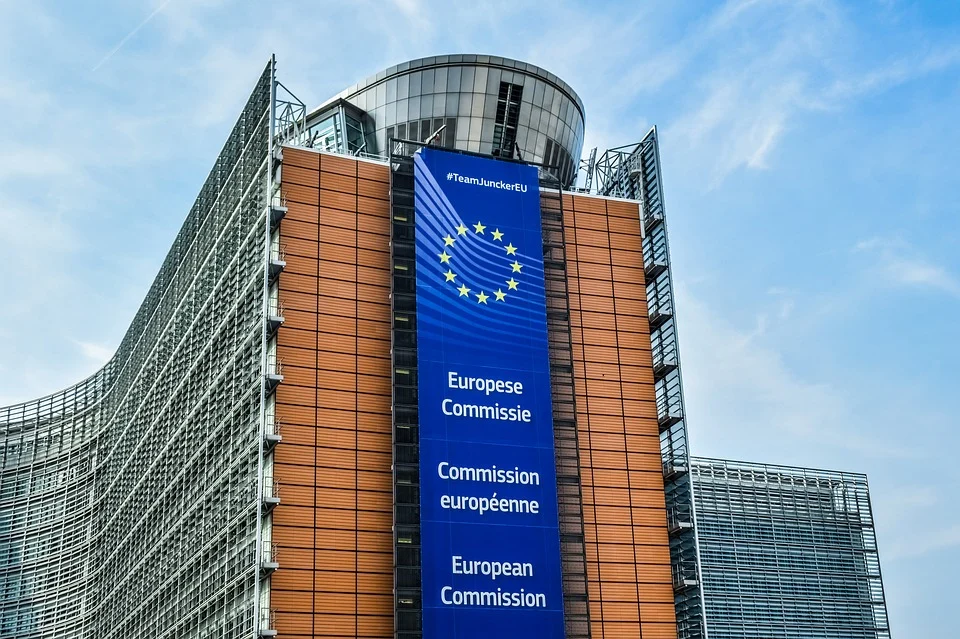
The European Commission has ordered Meta to permit rival artificial intelligence chatbots access to its WhatsApp messaging platform within five working days. This mandate, issued as part of an ongoing antitrust investigation, seeks to ensure interoperability and prevent the company from leveraging its dominant market position to favor its own AI services under the Digital Markets Act (DMA).
Why is the European Commission targeting WhatsApp’s AI integration?
The regulatory directive focuses on how Meta integrates its proprietary AI tools into WhatsApp, one of the world’s most widely used messaging services. According to the European Commission, the order requires Meta to grant competing AI developers free access to the platform to ensure a level playing field. This move is intended to prevent “gatekeeper” companies from using their control over essential digital infrastructure to stifle competition in the emerging AI sector.
The investigation centers on whether Meta’s current implementation of AI within its ecosystem violates the interoperability requirements established by the Digital Markets Act. By forcing the opening of WhatsApp to third-party assistants, Brussels aims to prevent a “walled garden” effect where users are funneled exclusively toward Meta’s own AI models.
How has Meta responded to the five-day deadline?
Meta has signaled its intent to challenge the decision, characterizing the European Commission’s move as “regulatory overreach.” The company has expressed concerns regarding both the technical feasibility of the order and the potential implications for user privacy and data security. Meta argues that forcing the opening of its encrypted messaging environment to third-party AI entities could compromise the integrity of its end-to-end encryption protocols.
Legal representatives for Meta are expected to file an appeal against the mandate. The company maintains that its current AI integrations are designed to enhance user experience rather than to exclude competitors. However, the Commission’s stance suggests that the mere possibility of competitive disadvantage is sufficient to trigger enforcement actions under the DMA’s strict compliance framework.
What is the connection between Meta and Apple’s regulatory struggles?
The tension between Brussels and big tech is not limited to Meta. The European Commission is also engaged in a high-profile dispute with Apple regarding the rollout of its new “Apple Intelligence” features. Apple recently confirmed it would delay the launch of its advanced Siri AI capabilities in the European Union, citing “regulatory uncertainty” surrounding the DMA.
While Apple has attributed its hesitation to the complexities of complying with EU rules, Brussels has pushed back against this narrative. EU officials have suggested that the tech giant’s decision to withhold features is a strategic move to avoid the stringent interoperability requirements that the DMA imposes on gatekeepers. This creates a stark contrast in how major tech firms are approaching the European market: Meta is being forced to open its doors, while Apple is choosing to limit its offerings to avoid doing so.
The friction between Apple and the EU highlights a growing divide in how global technology companies view European digital sovereignty. While the EU views the DMA as a tool for fairness, tech giants often frame it as a barrier to innovation that forces them to alter their core product architectures.
Understanding the Digital Markets Act (DMA) framework
To understand these disputes, it is necessary to examine the specific legal mechanics of the Digital Markets Act. The DMA identifies certain large companies as “gatekeepers”—entities that provide core platform services such as search engines, social networks, and messaging apps. Once a company is designated as a gatekeeper, it must adhere to a specific set of “dos and don’ts” designed to ensure contestability and fairness.
Key requirements for gatekeepers under the DMA include:
- Interoperability: Allowing third-party services to work seamlessly with the gatekeeper’s platform.
- Data Access: Providing business users with access to the data they generate on the platform.
- Anti-Self-Preferencing: Prohibiting the gatekeeper from ranking its own products or services more favorably than those of competitors.
- Choice Architecture: Ensuring that users can easily uninstall pre-installed software or change default settings.
The current orders against Meta and the scrutiny of Apple represent the first major wave of enforcement as the European Commission moves from the designation phase to the active policing of these rules. The outcomes of these cases will likely set the legal precedent for how AI and messaging services interact globally.
Comparison of Tech Responses to EU Regulation
| Company | Primary Regulatory Conflict | Current Strategy | Core Concern |
|---|---|---|---|
| Meta | WhatsApp AI interoperability | Legal appeal and resistance | User privacy and “overreach” |
| Apple | Apple Intelligence/Siri rollout | Delayed feature release | Regulatory uncertainty and DMA compliance |
What happens next in the EU’s tech crackdown?
The immediate focus remains on Meta’s compliance with the five-day window. While the company’s appeal may delay the actual implementation of the order, the legal battle is expected to move through the European courts, potentially lasting months or years. Simultaneously, the European Commission is expected to continue its monitoring of Apple’s compliance measures to determine if the delay of Apple Intelligence is a legitimate response to legal complexity or an attempt to circumvent the DMA.

The next significant checkpoint will be the formal filing of Meta’s appeal with the European Court of Justice, a move that will provide further clarity on the legal boundaries of the Digital Markets Act.
We invite you to share your thoughts on these regulatory shifts. Do you believe these mandates will foster innovation or hinder it? Leave a comment below and share this article with your network.
Worth a look
- Dana Besaiso on PalCast: International Law Didn’t Fail, World Leaders Did
- Florida Surges Executions as Governors Face Backlash and New Revelations Emerge
- Apple Shares Fall on Supply Warnings Despite Record June Quarter Sales (time.news)
- Apple Reports 109.4 Billion Revenue in Q3 2026 (world-today-news.com)