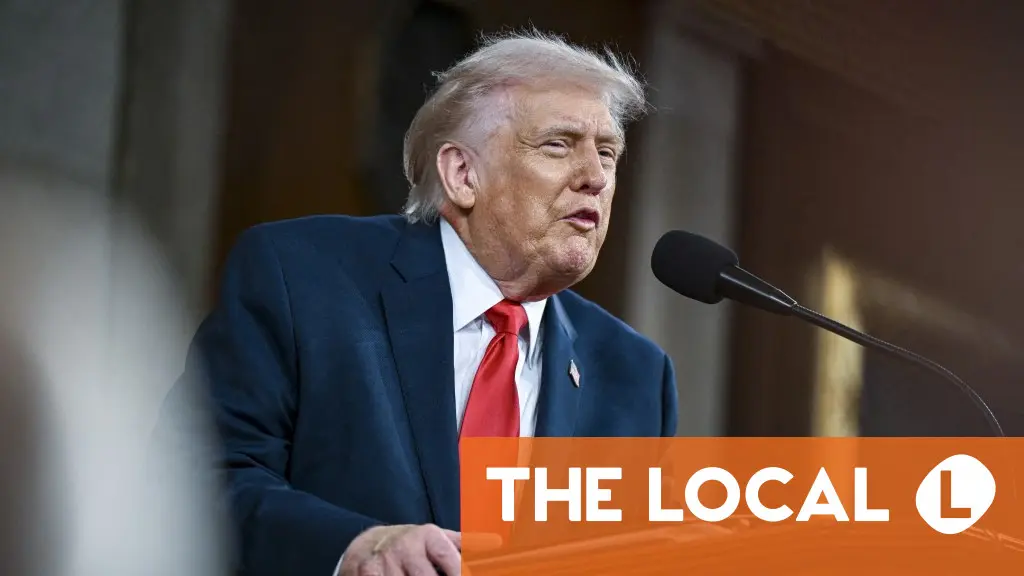
The European Union has formally requested that the United States grant tariff exemptions for a broader range of European exports, specifically targeting agricultural products including wine and cheese. This request follows ongoing transatlantic trade discussions aimed at mitigating the impact of potential U.S. import duties on European businesses. As the EU seeks to stabilize its commercial relationship with the incoming U.S. administration, officials are prioritizing the protection of key luxury and food sectors that have historically been sensitive to trade volatility, according to reports confirmed by European Commission representatives.
The push for these exemptions comes as the bloc prepares for shifts in U.S. trade policy. European officials are currently engaging in a dual-track strategy: preparing for potential defensive measures while simultaneously attempting to negotiate carve-outs for products that form the backbone of EU-U.S. trade relations. Wine and cheese, which represent significant export volumes for countries like France, Italy, and Spain, remain central to these discussions, as noted by the European Commission’s ongoing trade policy framework.
Transatlantic Trade Dynamics and the Agricultural Sector
The agricultural sector has long been a focal point of trade disputes between Washington and Brussels. Historically, trade barriers on these goods are often utilized as leverage in broader geopolitical negotiations. By proactively seeking specific exemptions for wine and cheese, the EU aims to prevent these items from becoming collateral damage in larger disputes over subsidies or industrial policy. According to the Office of the United States Trade Representative, the complexities of these trade barriers are regularly reviewed during the U.S.-EU Trade and Technology Council sessions, which serve as the primary forum for resolving such bilateral frictions.

The economic stakes are considerable. For many European producers, the U.S. market is the largest destination for high-value food and beverage exports. Any imposition of tariffs would likely result in price increases for American consumers, potentially reducing demand and affecting thousands of small-to-medium-sized agricultural businesses across the European continent. EU officials have emphasized that maintaining open access for these products is essential for the stability of rural economies in member states that rely heavily on the American export market.
Negotiation Strategy and Official Outreach
The current request is part of a wider diplomatic effort by the EU to ensure that European industries are not disproportionately harmed by shifting U.S. economic priorities. European trade commissioners are working to establish communication channels with their American counterparts to outline the potential negative impacts of broad-based tariff regimes. This process involves technical briefings and high-level meetings designed to demonstrate how specific exemptions could benefit both economies by maintaining stable supply chains and predictable pricing, a strategy documented in the latest European Commission trade updates.
While the EU has signaled a willingness to engage in constructive dialogue, it has also maintained that it remains prepared to respond if negotiations fail to yield results. This posture reflects a broader EU policy of “open strategic autonomy,” which seeks to balance cooperation with the U.S. while defending European interests in the face of protectionist measures. The specific status of these requests remains fluid, as U.S. trade officials continue to finalize their own policy agendas for the coming year.
Next Steps in Transatlantic Relations
The next major checkpoint for these discussions will likely coincide with upcoming meetings of the U.S.-EU Trade and Technology Council or bilateral sessions between the European Commissioner for Trade and the U.S. Trade Representative. Further updates on the status of these tariff exemption requests are expected as administrative transitions take place in Washington. Stakeholders, including trade associations and agricultural cooperatives, are encouraged to monitor the European Commission’s official trade portal for any announcements regarding formal agreements or changes in tariff classifications. Please share your thoughts on the impact of these trade policies below.

Keep reading