
United States authorities have confirmed the death of Héctor Guerrero Flores, the leader of the transnational criminal organization Tren de Aragua, following a targeted operation in Venezuela. The development marks a significant shift in regional security efforts against the gang, which has expanded its operations from its base in the Tocorón prison to criminal networks across South and North America, according to statements from U.S. officials tracking the group’s influence.
The operation, aimed at dismantling the leadership structure of the syndicate, serves as a tactical response to the group’s rising profile in illicit activities, including human trafficking, extortion, and drug distribution. For the international community, the removal of Guerrero Flores—widely known as “Niño Guerrero”—represents a focal point in the broader campaign to curb the influence of Venezuelan-based criminal syndicates operating beyond their national borders, as reported by the U.S. Department of State.
The Rise and Reach of Tren de Aragua
Tren de Aragua evolved from a local prison gang in Aragua state into one of the most prominent criminal entities in the Western Hemisphere. According to the Congressional Research Service, the organization capitalized on the migration crisis in Venezuela to infiltrate neighboring countries, including Colombia, Peru, and Chile. By establishing cells along migrant routes, the gang diversified its revenue streams, moving beyond traditional extortion to include complex human smuggling operations.

The group’s growth has been characterized by its willingness to employ extreme violence to maintain territorial control. Regional law enforcement agencies have documented the gang’s use of social media to intimidate victims and recruit new members, effectively exporting the operational model developed inside Venezuelan detention facilities. The U.S. government’s involvement in targeting the organization’s leadership highlights the cross-border nature of the threat, as the gang’s activities have increasingly intersected with U.S. national security interests.
Operational Impact and Regional Security
The death of the organization’s top leader is expected to trigger a period of volatility within the group’s hierarchy. Analysts from the InSight Crime foundation note that the decentralized nature of the gang’s cells often allows for rapid succession, though the loss of a figurehead like Guerrero Flores creates a vacuum that can lead to internal power struggles. This transition phase is frequently a period of heightened risk for local populations in areas where the gang maintains a strong presence.

Regional governments have long struggled to coordinate an effective response to the gang due to the lack of formal security cooperation with the Venezuelan government. The U.S. action signifies a departure from previous containment strategies, shifting toward direct intervention against the leadership tier. This move is consistent with the U.S. Department of Justice’s ongoing efforts to prosecute leaders of transnational criminal organizations under international racketeering statutes, which provide a legal framework for extraterritorial enforcement.
What Happens Next: Tracking the Syndicate
With the death of the primary leader, the focus of international intelligence agencies now turns to identifying the remaining members of the group’s executive committee. Security experts suggest that the next phase of the investigation will involve mapping the financial flows that sustained the gang’s expansion. The ability of the organization to launder money through front businesses in multiple jurisdictions remains a primary target for international financial task forces.
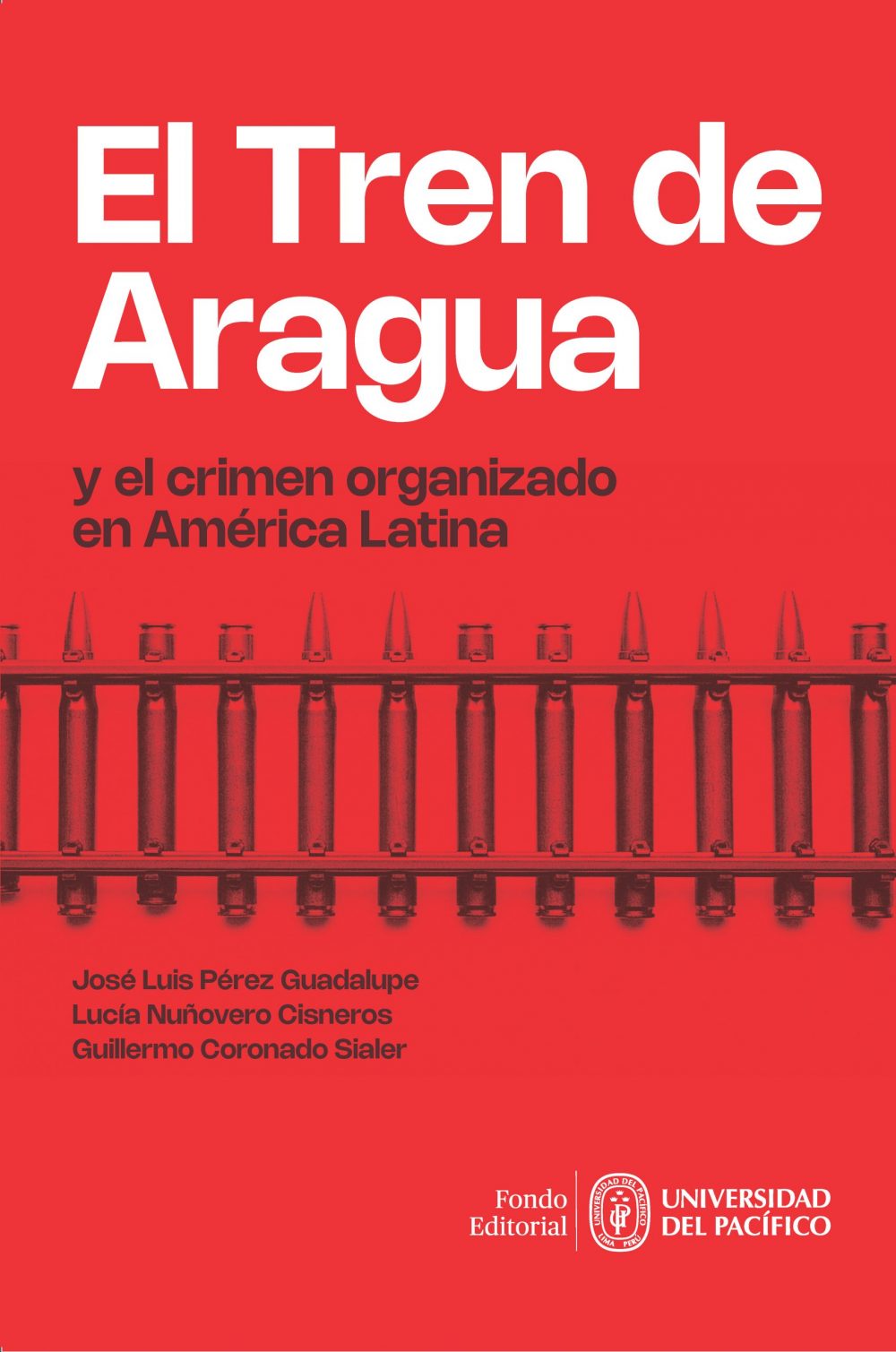
For observers of regional geopolitics, the event underscores the persistent challenge of addressing criminal governance in states with limited institutional control. As countries in the region assess the impact of this operation, the emphasis remains on strengthening border intelligence and enhancing the capacity of local police forces to dismantle smaller, autonomous cells that have survived the death of the central leadership. Official updates regarding the status of the investigation and potential new indictments are expected to be released through the U.S. Department of Justice’s official news portal in the coming months.
Readers interested in the ongoing efforts to counter transnational crime are encouraged to monitor updates from regional security forums and international organizations dedicated to human rights and public safety. We invite you to share your perspectives on the regional implications of this development in the comments section below.