
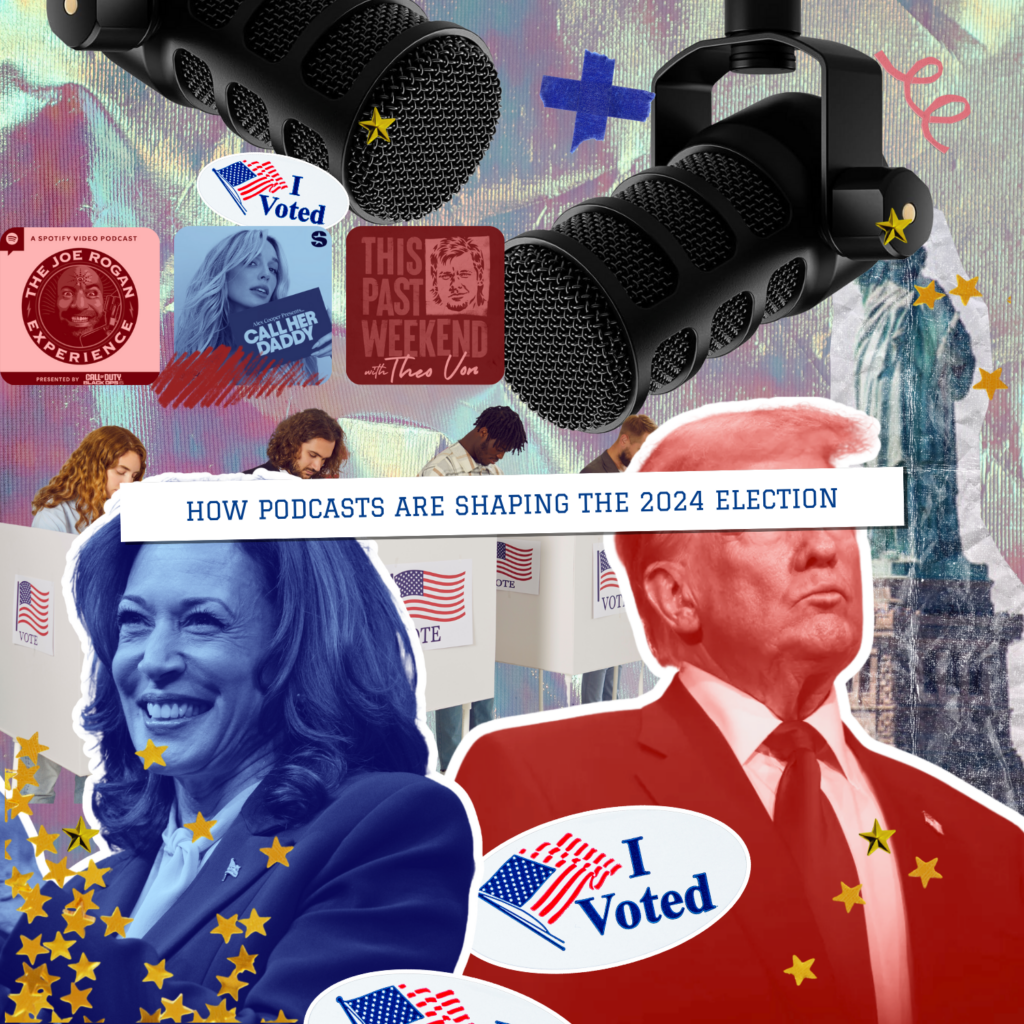
Independent podcasters are increasingly shaping the political discourse ahead of major elections, effectively functioning as autonomous media houses that bypass traditional editorial gatekeepers. As platforms like Spotify and YouTube continue to decentralize information, individual creators are securing direct access to voters, a shift that media analysts argue is fundamentally altering how political campaigns manage their messaging and reach.
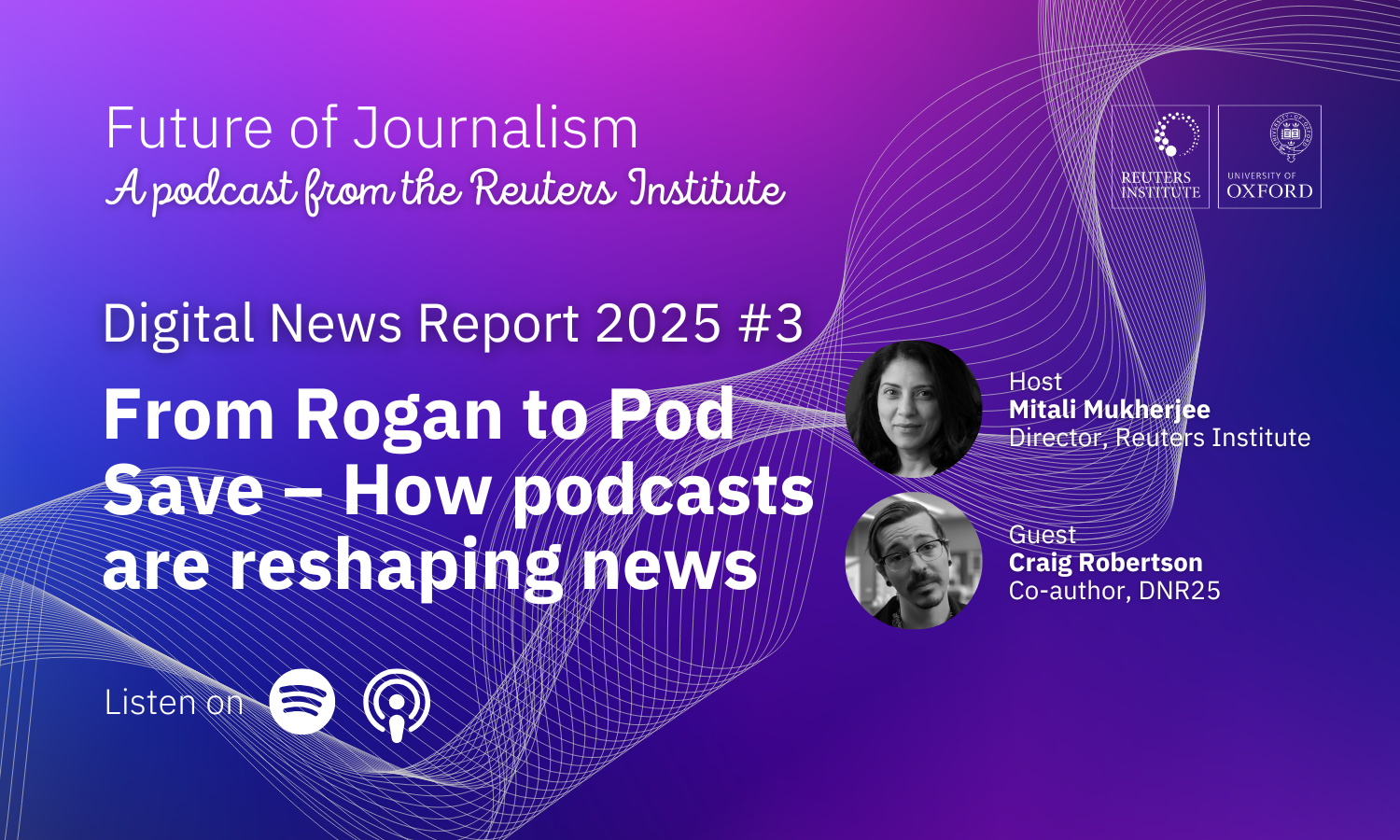
The rise of the “creator-as-media-house” model marks a departure from the mid-20th-century reliance on legacy newspapers and broadcast television for political news. According to the Reuters Institute Digital News Report 2024, audiences are increasingly turning to influencers and podcasters for news, often citing a preference for the perceived authenticity and conversational depth that long-form audio programs provide compared to the abbreviated formats of traditional news outlets.
The Shift Toward Decentralized Political Influence
For political candidates, the appeal of podcast appearances lies in the ability to speak at length without the interruption of adversarial fact-checking or aggressive soundbite editing. By appearing on popular shows, politicians can engage with niche audiences that are often disengaged from mainstream political coverage. This strategy allows campaigns to target specific demographics—ranging from young voters to specialized professional groups—with high precision.

Research from the Pew Research Center confirms that a growing segment of the electorate now relies on social media and independent digital creators as their primary news sources. This shift is not merely about audience size; it is about the level of trust. Listeners often develop a parasocial relationship with podcast hosts, which can make the information presented during an interview feel more credible or relatable than a report from a traditional, institutional news organization.
Challenges for Traditional Media Gatekeeping
The transition toward independent media presents significant challenges for traditional journalism. In a professional newsroom, editorial standards, fact-checking departments, and legal oversight serve as filters for political claims. In contrast, many independent podcasts operate with minimal editorial oversight, allowing for the rapid spread of unverified claims or partisan framing that remains largely unchallenged during the recording process.
Critics argue that this lack of oversight creates an “echo chamber” effect. When a politician is interviewed by a host who shares their ideological leanings, the conversation often becomes an exercise in advocacy rather than inquiry. This trend has prompted a debate among media ethicists regarding the responsibility of platforms to moderate content that could potentially mislead voters during sensitive election cycles. As noted by the International Press Institute, the erosion of a shared information ecosystem makes it increasingly difficult for voters to distinguish between verified political reporting and paid or ideological promotion.
Campaign Strategy in the Age of Audio
Campaign managers are now allocating larger portions of their advertising and outreach budgets toward independent creators. This includes not only long-form podcast interviews but also “clip-style” marketing, where the most compelling moments from a podcast are repackaged for platforms like TikTok or Instagram. This multi-channel approach ensures that a single conversation can be sliced into dozens of pieces of content, extending its reach far beyond the original subscriber base.
According to data from the Electoral Commission, digital spending by political parties has risen consistently over the last decade, with a marked increase in funds directed toward non-traditional media placements. This evolution suggests that the influence of the “independent media house” is likely to grow, as candidates prioritize environments where they maintain control over the narrative arc of their message.
What Happens Next?
As election seasons progress, the influence of independent podcasters remains a focal point for regulatory bodies and media monitors. The next major test for this media landscape will be the enforcement of transparency laws regarding political advertising and undisclosed sponsorships within audio content. While many countries have strict rules for broadcast political ads, digital audio content often exists in a regulatory gray area.
Voters are encouraged to verify claims made by political figures on independent platforms by cross-referencing information with official government records, non-partisan fact-checking organizations, and primary documentation. For further updates on how digital media trends are affecting upcoming regional and national elections, readers can monitor the latest reports from the OSCE Office for Democratic Institutions and Human Rights. Please share your thoughts on the impact of independent media in the comments section below.
Related reading