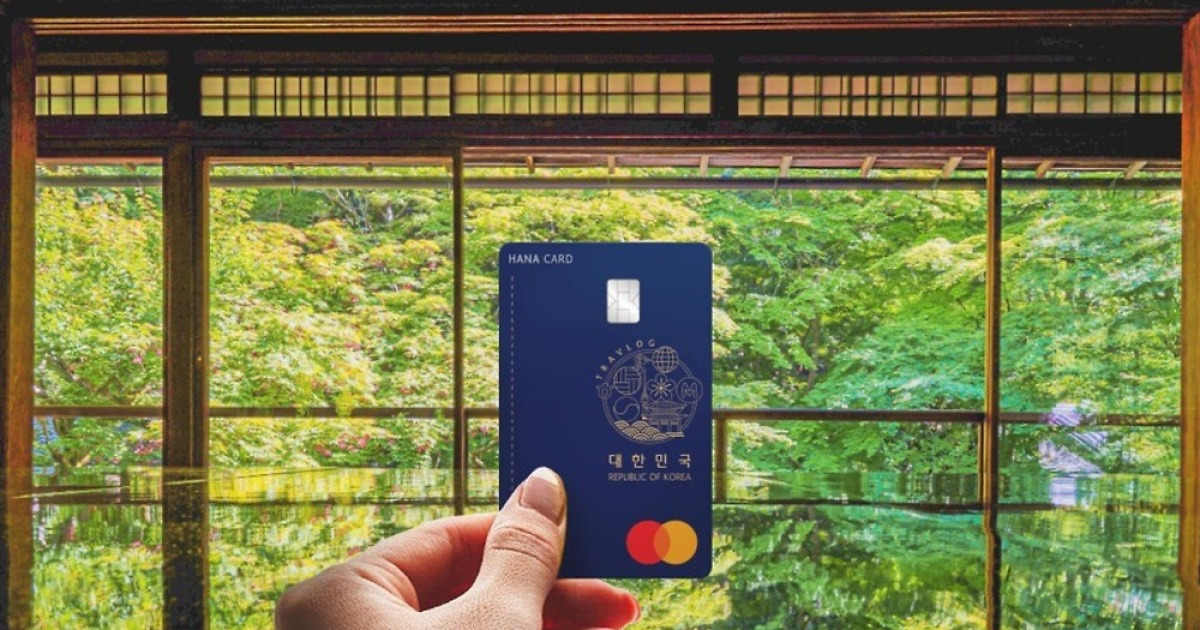
Hana Card has reached a significant milestone in the South Korean financial sector, securing 10 million users for its “Travelog” service. This achievement marks a shift in the competitive landscape for travel-focused financial products, as the company leverages this customer base to expand into broader credit and premium card offerings. The growth of Travelog reflects a broader trend in the domestic market, where financial institutions are increasingly prioritizing specialized, travel-centric benefits to capture high-frequency consumer spending.
According to official data from Hana Financial Group, the Travelog service—which allows users to exchange foreign currencies without transaction fees—has become a cornerstone of the company’s retail strategy. The platform’s ability to integrate seamless currency exchange with payment functionality has attracted a significant portion of South Korea’s outbound tourism market. This expansion is part of a wider effort by Hana Card to diversify its portfolio, moving beyond simple debit products to include the “Wonder Card” and “JADE” series, which target credit and premium market segments respectively.
Strategic Evolution of the Travelog Ecosystem
The success of the Travelog service is largely attributed to its removal of common friction points in international travel, such as conversion fees and the need to carry physical foreign cash. By eliminating these costs, Hana Card has effectively lowered the barrier to entry for international travelers, a move that has been emulated by several competitors within the South Korean market. As reported by the Financial Supervisory Service (FSS), the proliferation of such cards has intensified competition among credit card issuers to offer more robust travel-related perks, including airport lounge access and international merchant discounts.
Hana Card’s transition from a debit-focused travel tool to a comprehensive financial product line suggests a strategic focus on customer retention. By introducing the “Wonder Card,” the company aims to migrate existing Travelog users into a more lucrative credit card ecosystem. This strategy is supported by historical data in consumer finance, which indicates that users are more likely to maintain long-term relationships with institutions that offer a tiered product structure, ranging from entry-level convenience to high-end lifestyle benefits. For more information on domestic market trends, visit the Financial Supervisory Service (FSS).
Expanding into Premium and Credit Markets
The introduction of the “JADE” series represents Hana Card’s effort to capture the high-spending demographic. While Travelog serves as an entry point for younger, tech-savvy travelers, the JADE brand is designed to compete in the premium card space, offering benefits tailored to luxury travel and high-value domestic consumption. This move is consistent with the broader industry trend of “product layering,” where firms use a popular, low-cost utility product to acquire customers, then cross-sell higher-margin services.
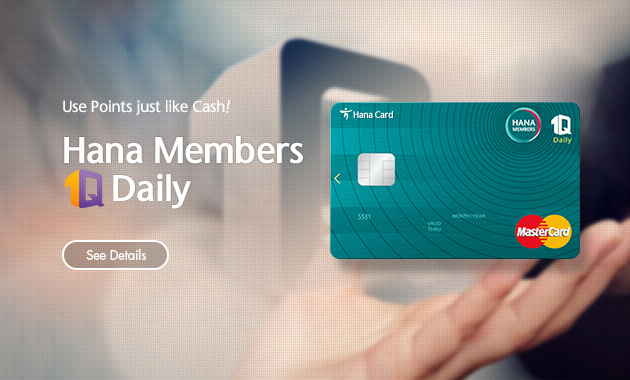
Industry analysts note that the sustainability of this model depends on the bank’s ability to maintain the value proposition of the original card while transitioning users to more complex products. According to a Hana Institute of Finance report on consumer behavior, the “stickiness” of a financial product is directly correlated with the ease of integration into the user’s daily digital life. By keeping the Travelog interface consistent across both debit and credit platforms, Hana Card minimizes the learning curve for its existing 10 million users.
Market Response and Future Outlook
The competitive pressure exerted by Hana Card’s growth has prompted other major South Korean financial institutions to refine their own travel-focused offerings. The rapid adoption of travel-specific cards has forced a standard in the industry where zero-fee currency exchange is now considered a baseline expectation rather than a premium feature. This shift has significant implications for revenue models, as issuers must now find alternative ways to monetize international spending, such as through merchant service fees and expanded credit services.
Looking ahead, the next phase of this competition will likely center on the integration of artificial intelligence for personalized travel recommendations and enhanced security features for international transactions. As of the most recent quarterly disclosures, Hana Card has signaled its intent to further invest in digital infrastructure to support its growing user base. Investors and consumers can monitor future updates through the official Hana Card corporate portal, where the company publishes its periodic business performance summaries and product roadmaps.
This development remains a key indicator of how domestic financial firms are adapting to the post-pandemic surge in international travel. As the market matures, the ability to provide a cohesive, multi-tier experience will be the primary driver of market share. We invite our readers to share their experiences with these travel-centric financial tools in the comments section below.
Related reading