
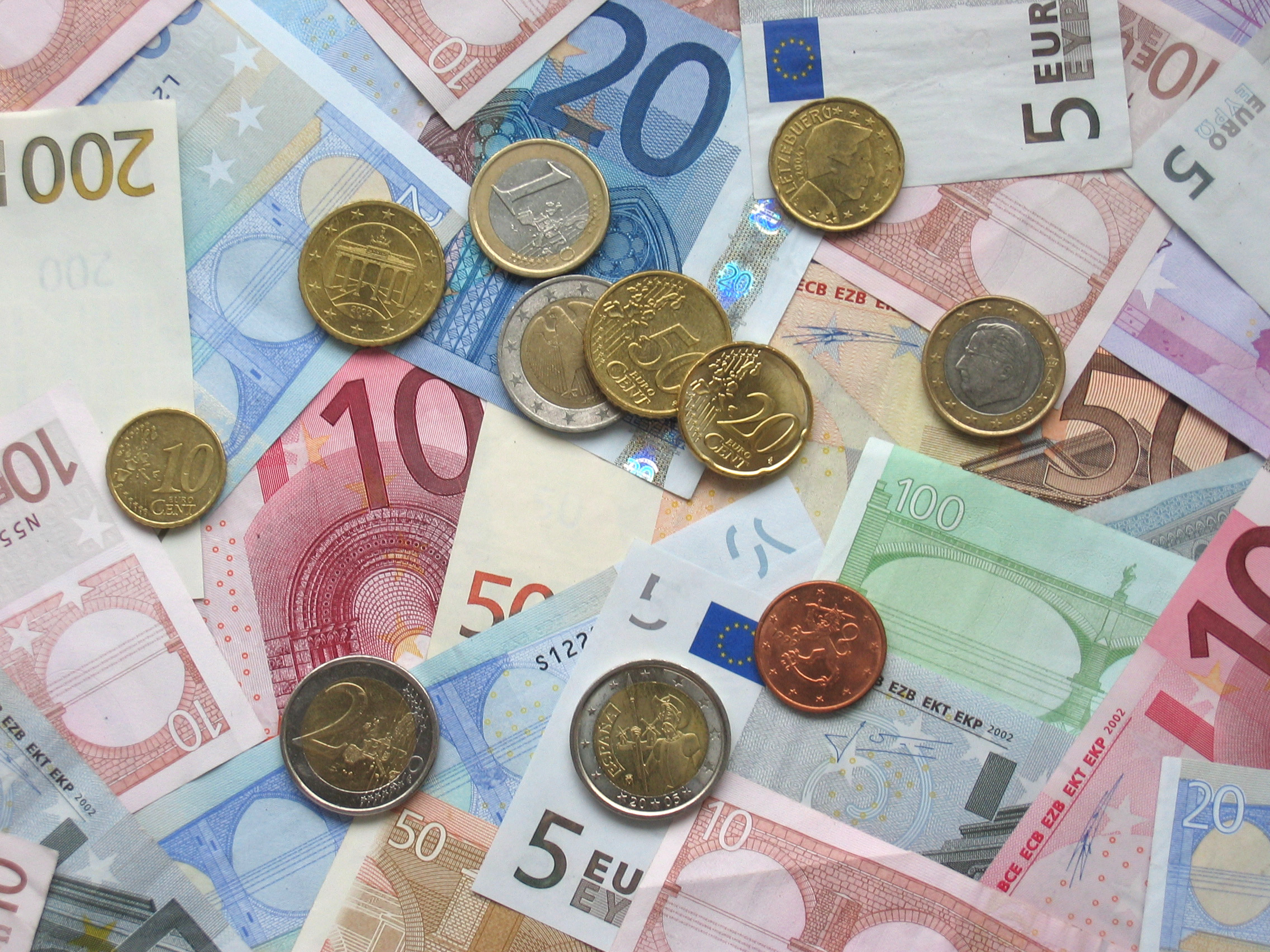
The Euro has moved into positive territory against the US Dollar as currency markets react to shifting geopolitical expectations surrounding the incoming Trump administration’s stance on Middle East tensions, particularly concerning Iran. After hitting recent lows, the EUR/USD exchange rate has seen a reversal, driven by a reduction in the “safe-haven” demand for the US Dollar as traders weigh the potential for diplomatic de-escalation in the Persian Gulf.
Market analysts suggest that any signal from the incoming US administration regarding a shift away from active military confrontation with Iran could weaken the Dollar’s position. Historically, heightened tensions in the Middle East drive investors toward the US Dollar as a primary hedge against global instability. Consequently, rhetoric suggesting a move toward negotiation or the cessation of aggressive posturing has provided a tailwind for the Euro.
At the time of writing, the Euro is trading significantly higher than its most recent support levels, reflecting a broader recalibration of risk sentiment. While the US Dollar remains a dominant force in global finance, the perceived risk of a localized conflict in the Middle East has moderated in recent trading sessions, allowing the Euro to regain ground in the forex markets.
Why is the Euro gaining strength against the US Dollar?
The recent appreciation of the Euro is primarily linked to the cooling of geopolitical risk premiums that had previously bolstered the US Dollar. According to recent market data, the US Dollar often functions as a “safe-haven” asset, meaning its value tends to rise when investors fear global conflict or economic instability. When the prospect of military action involving Iran and the United States intensifies, capital typically flows into US Treasuries and the Dollar.
However, recent developments in political rhetoric have suggested a potential pivot. As the incoming Trump administration outlines its foreign policy framework, some market participants are interpreting specific statements as a move toward de-escalation. If the administration pursues diplomatic channels or reduces the immediate threat of kinetic military strikes, the necessity for safe-haven Dollar holdings diminishes. This shift in sentiment allows the Euro, which is more closely tied to Eurozone economic stability and growth, to strengthen in relative terms.
Furthermore, the interest rate differential between the Federal Reserve and the European Central Bank (ECB) continues to play a critical role. While the Federal Reserve has maintained a cautious stance on interest rate cuts, the ECB’s policy trajectory remains a central focus for currency traders. If Eurozone inflation continues to stabilize within the target range, the market may price in more aggressive easing from the ECB, though this is currently being balanced against the Euro’s gains from reduced geopolitical risk.
How does Trump’s Iran policy impact currency markets?
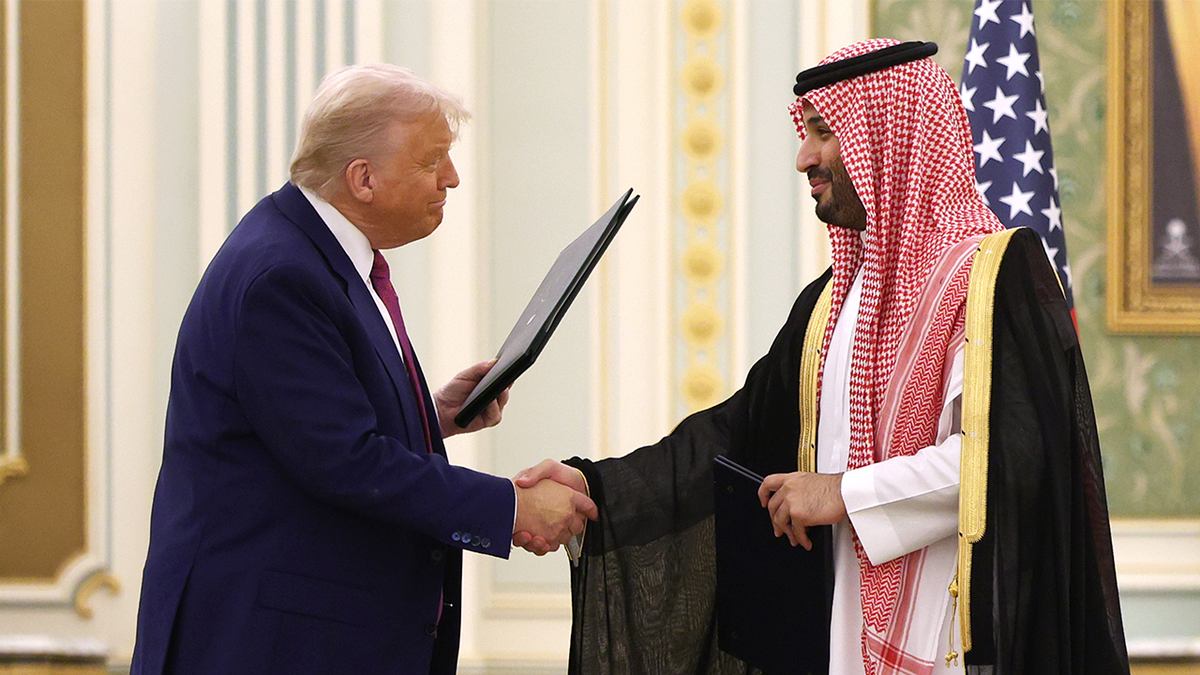
The relationship between US foreign policy and currency volatility is well-documented in financial history. For the incoming Trump administration, the policy toward Iran represents one of the most significant variables for the US Dollar. The administration’s previous “maximum pressure” campaign was characterized by heavy economic sanctions and a high-tension diplomatic environment, both of which contributed to a stronger, more resilient US Dollar.
Current reports indicate that the administration may seek to alter this dynamic. While the administration maintains a hardline stance on Iranian nuclear ambitions, there are indications of a desire to avoid large-scale military engagement. For currency traders, this nuance is vital. A shift from “active confrontation” to “strategic containment” or “negotiated pressure” can lead to a measurable decline in the US Dollar’s risk premium.
To understand this impact, it is necessary to look at how different geopolitical scenarios influence the EUR/USD pair:
- Scenario A: Escalation of Conflict: If military tensions between the US and Iran increase, the US Dollar is expected to strengthen as investors seek safety. The Euro would likely face downward pressure.
- Scenario B: Diplomatic De-escalation: If the administration signals a move toward diplomatic resolutions or a reduction in military threats, the “safe-haven” demand for the Dollar may fall, allowing the Euro to rise.
- Scenario C: Economic Sanction Expansion: Increased use of secondary sanctions could create volatility in energy markets, which often leads to a complex tug-of-war between the Dollar (as a safe haven) and the Euro (as a proxy for global trade stability).
The mechanics of safe-haven demand and the US Dollar
The concept of “safe-haven demand” is central to understanding why political decisions in Washington D.C. can immediately impact the exchange rate in Frankfurt. When global uncertainty rises, institutional investors—such as pension funds and sovereign wealth funds—move their capital into assets perceived as low-risk. The US Dollar is the world’s primary reserve currency, making it the default destination during times of crisis.
This demand is not solely driven by the strength of the US economy, but by the perceived stability of the US financial system. During periods of Middle Eastern instability, the fear of disrupted oil supplies or sudden shifts in global trade routes causes a spike in USD demand. This influx of capital drives the value of the Dollar up and the value of other major currencies, including the Euro, down.
When the administration signals a potential reduction in military aggression, it effectively reduces the “fear factor” in the markets. As the immediate risk of a sudden, disruptive conflict decreases, the urgency to hold US Dollars as a protective measure also declines. This allows for a more balanced flow of capital, often benefiting the Euro and other major currencies that have been suppressed by the safe-haven premium.
Comparing Geopolitical Risk Scenarios
The following table outlines how different levels of tension in the Middle East typically influence the EUR/USD exchange rate and investor behavior.
| Geopolitical Environment | Primary Asset Demand | Likely EUR/USD Direction | Market Driver |
|---|---|---|---|
| High Military Tension | US Dollar (Safe-Haven) | Bearish (Euro Falls) | Fear of conflict and energy disruption |
| Diplomatic Uncertainty | Mixed/Volatile | Sideways/Volatile | Speculation and news-driven swings |
| De-escalation/Negotiation | Risk Assets (Euro/Equities) | Bullish (Euro Rises) | Reduction in risk premium |
Macroeconomic factors: The ECB vs. The Federal Reserve
While geopolitical news provides the immediate spark for currency movement, long-term trends in the EUR/USD pair are dictated by central bank policy. The divergence between the Federal Reserve’s monetary policy and the European Central Bank’s approach remains a fundamental driver of the exchange rate.
The Federal Reserve has focused on managing inflation while attempting to achieve a “soft landing” for the US economy. If US economic data, such as Non-Farm Payrolls or Consumer Price Index (CPI) readings, remains unexpectedly strong, the Fed may keep interest rates higher for longer. High interest rates typically support a stronger Dollar, as they offer better returns for investors holding US-denominated assets.
Conversely, the European Central Bank is navigating a different economic landscape. The Eurozone faces unique challenges, including varying growth rates across member states and energy security concerns. If the ECB perceives that the Eurozone economy requires more support, it may implement rate cuts more aggressively than the Fed. Traditionally, a wider interest rate gap—where the US offers higher rates than the Eurozone—favors the Dollar. However, if the Euro’s rise is driven by a reduction in geopolitical risk, it can temporarily offset the impact of these interest rate differentials.
What happens next for the EUR/USD?
Traders are now looking toward several key milestones that will determine whether the Euro’s recent rally has staying power. The primary focus will be on upcoming official communications from the incoming US administration regarding Middle East policy. Any concrete policy shifts or formal statements concerning Iran will likely trigger significant volatility in the forex markets.
On the economic front, the market is closely monitoring:
- US Inflation Data: Upcoming CPI and PCE reports will indicate whether the Federal Reserve is likely to maintain or cut interest rates.
- ECB Policy Statements: Any guidance from ECB officials regarding the future of interest rates in the Eurozone will be critical for Euro support.
- Middle East Diplomatic Developments: Direct news regarding diplomatic overtures or changes in US military posture in the region.
As the geopolitical landscape shifts, the Euro’s ability to maintain its gains will depend on the balance between reduced risk premiums and the relative strength of the US economy. Investors should remain cautious, as the interplay between political rhetoric and macroeconomic data can lead to rapid reversals in currency trends.
The next major checkpoint for market participants will be the release of the latest US Consumer Price Index (CPI) data and the subsequent Federal Reserve policy assessment.
Do you think geopolitical de-escalation will lead to a long-term bull run for the Euro? Share your thoughts in the comments below and share this article with your network.
Worth a look