
As travelers across the globe look toward the Mediterranean for their next summer excursion, the search for the ideal seaside destination often balances aesthetic appeal with the practical reality of water temperatures. Among the most discussed locales is Nissi Beach in Cyprus, a destination frequently highlighted for its consistent warmth and favorable swimming conditions during the peak summer months. For those planning their itineraries, understanding the environmental patterns of this coastal gem is essential for a well-informed holiday.
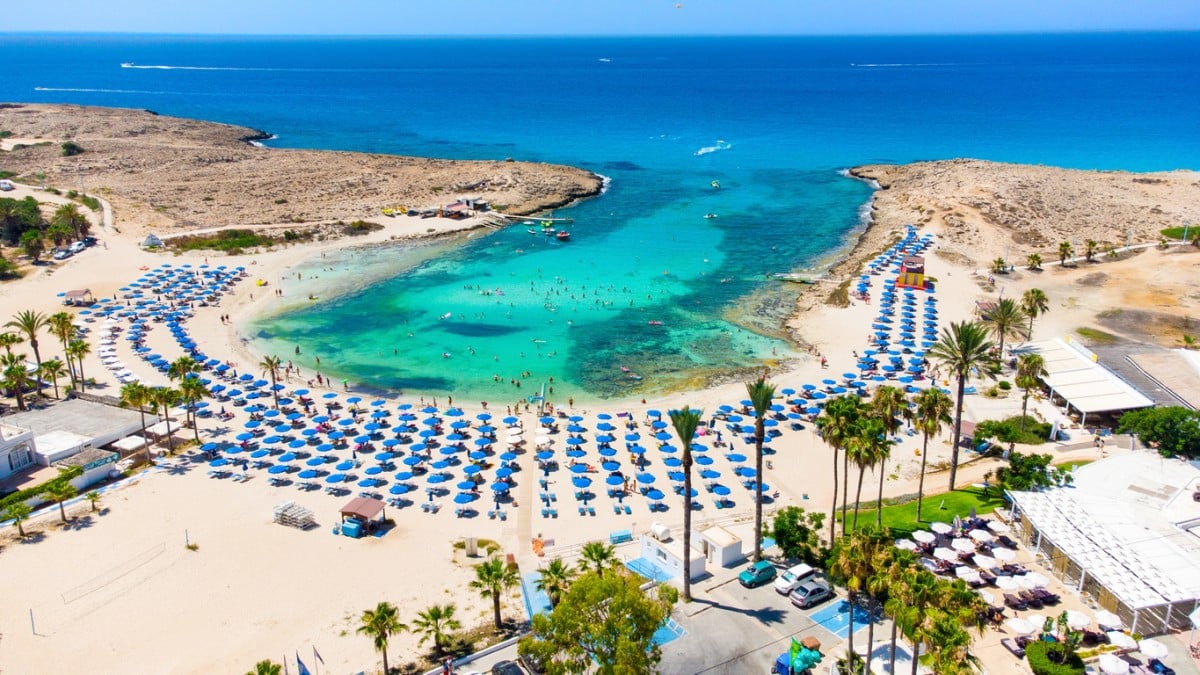
Nissi Beach, situated in the Ayia Napa region, is widely recognized for its shallow, turquoise waters and distinct sandbar that connects the main beach to a smaller islet. Beyond its visual prominence, the site has garnered interest for its thermal profile, which remains remarkably stable throughout the season. For travelers, the water temperature at Nissi Beach in August provides a consistent environment for recreational swimming, with historical data indicating that temperatures frequently settle in a range that many visitors find comfortable for extended coastal activities.
Understanding Mediterranean Thermal Trends
The appeal of the Mediterranean in August is driven largely by the high ambient temperatures of the region, which translate into warm sea surface conditions. According to meteorological and oceanographic observations, the water at Nissi Beach typically experiences a stable period during the height of the summer. While daily fluctuations occur due to wind, currents, and solar radiation, the average temperature often hovers in the high 20s (Celsius), making it a reliable destination for those prioritizing warm-water swimming.

It is important for international travelers to approach such data with a clear understanding of seasonal variations. While August represents a peak period for thermal stability, other months—such as May—present a significantly different experience. During the spring, the sea is in a process of transition, and water temperatures are notably cooler as the Mediterranean continues to absorb the heat accumulated during the preceding months. Comparing these seasonal shifts allows for better planning, ensuring that expectations align with the actual environmental conditions of the region.
The Cultural Significance of the Name
While the name “Nissi” is synonymous with a premier beach destination for many modern tourists, the term carries a deeper historical and linguistic resonance. In the context of ancient traditions and biblical scholarship, the name is distinct from the geographical location in Cyprus. The term “Jehovah-Nissi” (or more accurately, Yahweh-Nissi) is rooted in the Hebrew tradition and is referenced in the book of Exodus. It serves as a spiritual designation, translated as “the Lord is my banner,” and commemorates an event in the desert where the Israelites were led to victory.
This historical and linguistic distinction is a frequent point of interest for those exploring the etymology of the name. While the beach in Ayia Napa draws its name from the Greek word for “islet,” the spiritual significance of the term “Nissi” in other traditions remains a separate, scholarly subject. Distinguishing between the geographical Nissi Beach and the biblical meaning of Jehovah-Nissi is essential for clarity, as these two concepts, while sharing a name, arise from entirely different historical and cultural frameworks.
Planning Your Coastal Excursion
For those interested in visiting Cyprus, the most effective way to monitor conditions is to utilize official meteorological services and local environmental reports. Because sea temperatures can vary based on localized weather patterns, relying on long-term averages is helpful for general planning, but real-time data is superior for immediate decision-making. Visitors are encouraged to check local advisories upon arrival in the Ayia Napa area to stay informed about sea states and safety conditions.

As we move further into the 2026 season, travelers should continue to consult verified resources for updates on regional climate trends. The Mediterranean remains a focal point for global tourism, and the intersection of economic activity and environmental conditions continues to shape how we experience these iconic destinations. We invite our readers to share their own experiences with seasonal travel and the factors they consider most important when selecting a coastal destination.
For further updates on global travel trends and economic impacts on tourism, please follow our ongoing coverage at World Today Journal. Your comments and insights are welcome as we continue to track the developments that matter to our international audience.