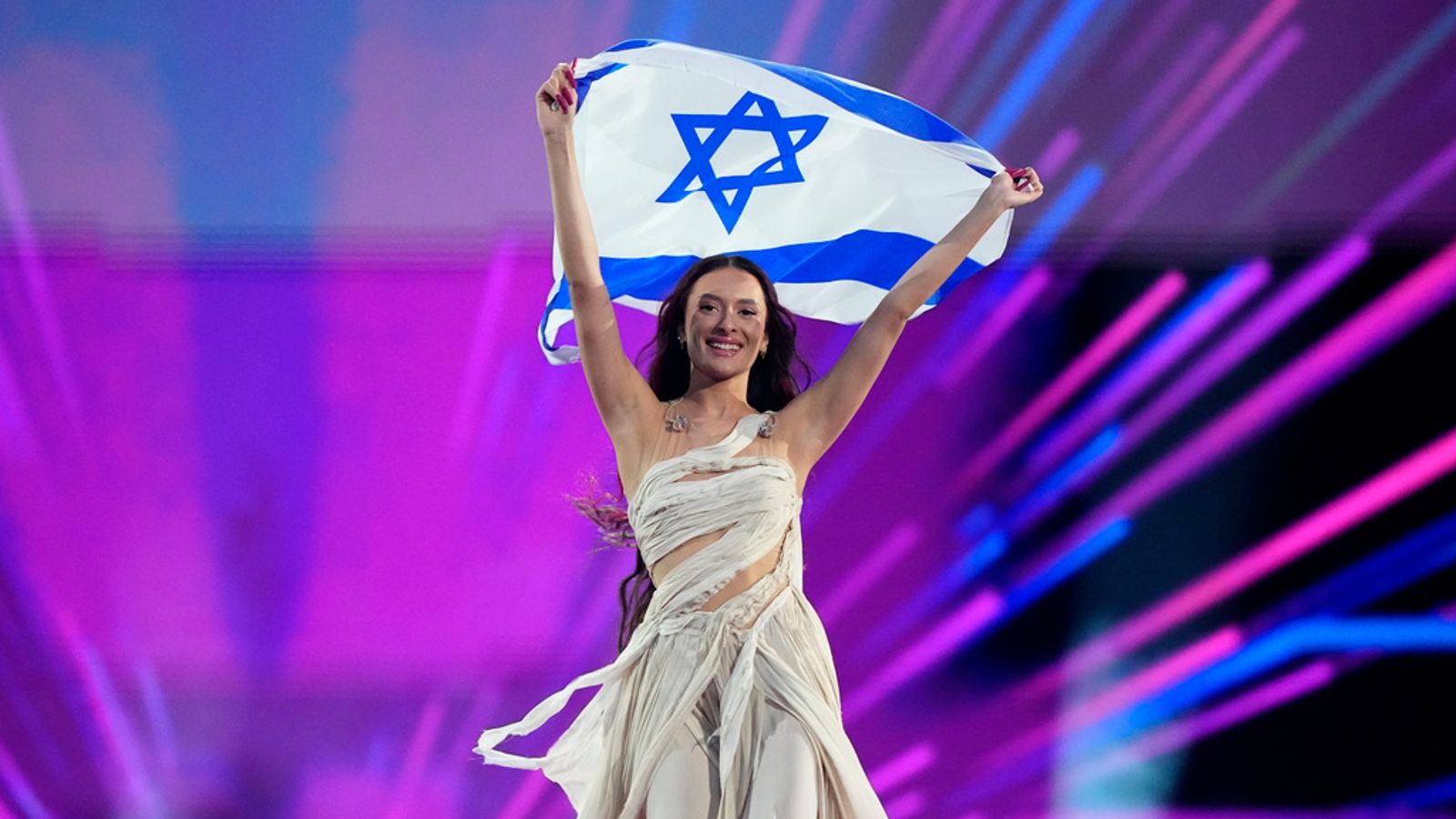
Eurovision Faces Intense Scrutiny Over Israel’s Participation
The annual Eurovision Song Contest, renowned as the world’s largest live singing competition, recently navigated a complex and highly charged debate regarding Israel’s participation amidst the ongoing conflict in Gaza. This situation forced the event, which prides itself on being non-political, to confront difficult questions and consider unprecedented measures.
Calls for Boycott and Financial Implications
Several member countries voiced strong concerns, threatening to boycott the contest if Israel was permitted to compete. Slovenia, alongside broadcasters from Spain, the Netherlands, Ireland, and Iceland, publicly stated their willingness to withdraw.
Spain’s potential absence carried significant weight, as its one of Eurovision’s “Big Five” financial backers. A boycott from Spain would have created a substantial financial impact on the entire event.
A Democratic Decision-Making Process
Recognizing the gravity of the situation, the European broadcasting Union (EBU) acknowledged it had never faced such a divisive issue. Consequently, the board decided to seek a broader democratic basis for making a decision on Israel’s participation. This involved a vote among member countries.
Hostage Release and Ceasefire Developments
The debate unfolded against the backdrop of a fragile ceasefire in the Middle East. On Monday, Hamas released the final Israeli hostages held in Gaza.Israel, in turn, freed numerous Palestinian detainees, marking a potential step towards ending the two-year conflict.
The Origins of the Current Conflict
The current hostilities began on October 7, 2023, when Hamas launched a devastating attack on Israel. Approximately 1,200 people were killed, and 251 were taken hostage.
Israel responded with a large-scale military operation in Gaza,involving extensive airstrikes and ground assaults. The conflict has resulted in a staggering loss of life, with over 67,000 Palestinians killed, according to the Hamas-run health ministry.
It’s crucial to note that these figures don’t distinguish between civilians and combatants. Though, the ministry reports that roughly half of those killed were women and children.
Understanding the Broader Context
You might be wondering why this situation sparked such a strong reaction within the Eurovision community. Here’s a breakdown of the key factors:
* Political Neutrality: Eurovision traditionally maintains a strict policy of political neutrality.
* Humanitarian Concerns: The conflict in Gaza raised serious humanitarian concerns, prompting calls for solidarity with the Palestinian people.
* Broadcaster Autonomy: Individual broadcasters have the right to decide whether or not to participate, adding another layer of complexity.
This situation highlights the challenges of maintaining neutrality in a world increasingly marked by political and social divisions. It also underscores the power of cultural events to become focal points for broader global debates.
Keep reading