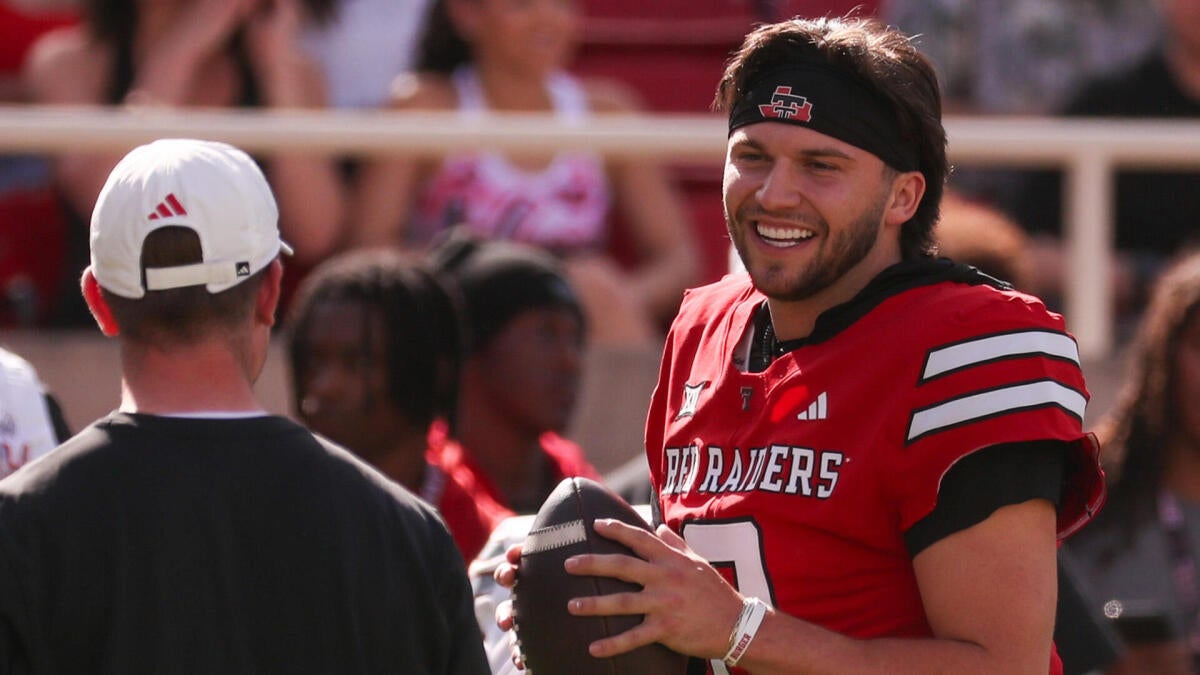
The intersection of collegiate athletics and legalized sports wagering has entered a new, contentious chapter. As the legal system weighs the future of Texas Tech quarterback Brendan Sorsby, the sports world is watching closely to see how a potential ruling on an injunction could set a precedent for student-athlete eligibility in an era of heightened gambling scrutiny.
Following a court hearing held on Monday, a judge is currently deliberating whether to grant an injunction that would allow Sorsby to regain his eligibility to compete for the Red Raiders. This legal maneuver comes amid a broader, ongoing investigation into potential sports gambling violations, a subject that has become a flashpoint for the NCAA and member institutions alike as they navigate the complexities of modern athlete conduct policies.
For those of us covering the intersection of sports and governance, this case represents more than just a single player’s availability. It highlights the rigorous enforcement mechanisms the NCAA has deployed to maintain the integrity of competition. As we await the court’s decision, the implications for Texas Tech’s season and the broader landscape of college football remain significant.
The Legal Framework of the Injunction
When an athlete seeks an injunction against an athletic governing body, they are essentially asking the court to pause the enforcement of a suspension or eligibility restriction while the underlying merits of the case are litigated. In the context of the NCAA, these challenges often hinge on claims of procedural unfairness or the severity of the sanction relative to the alleged conduct.
The NCAA’s stance on sports wagering is explicit: student-athletes are prohibited from engaging in sports betting activities, a policy reinforced by the organization’s commitment to protecting the amateur nature of the game and preventing match-fixing or corruption. However, the legal battle in Texas underscores the tension between institutional policy and the due process rights of the student-athlete.
According to court filings and reports from the proceedings, the defense for Sorsby has argued that the current restrictions imposed upon him are overly broad or incorrectly applied given the evidence currently under review. The judge must now determine if there is a likelihood of success on the merits of the case and if the irreparable harm caused by missing games outweighs the NCAA’s interest in maintaining its established disciplinary framework.
Understanding the NCAA Gambling Investigation
The investigation involving Sorsby is part of a larger trend in collegiate sports where regulators are cracking down on player involvement in betting markets. Since the Supreme Court’s 2018 decision in Murphy v. National Collegiate Athletic Association, which effectively legalized sports betting across the United States, athletic departments have scrambled to educate players on the severe consequences of violating wagering rules.
The Western District of Texas and other regional jurisdictions have seen an uptick in scrutiny regarding these activities. For the NCAA, the primary goal is not just punishment but the preservation of the games’ outcomes. When a player is sidelined during an investigation, it is often a precautionary measure, but it creates immediate, tangible consequences for the athlete’s career trajectory and the team’s competitive standing.
It is important for fans and observers to distinguish between institutional investigations and criminal proceedings. While the NCAA conducts its own internal review to determine eligibility under its bylaws, the potential for state or federal involvement remains a separate matter depending on the nature of the bets placed and the jurisdiction in which they occurred.
Key Takeaways: Navigating Eligibility Disputes
- The Role of the Injunction: A temporary legal remedy designed to preserve the status quo until a final judgment is rendered.
- NCAA Bylaws: The governing rules that strictly forbid student-athletes from wagering on their own sports or providing information to those who do.
- The Burden of Proof: In these hearings, the plaintiff must often demonstrate that the loss of eligibility constitutes “irreparable harm” that cannot be compensated by money damages alone.
- Institutional Responsibility: Texas Tech, like all Division I institutions, is tasked with monitoring compliance and reporting potential violations to the NCAA enforcement staff.
What Happens Next?
The court’s decision on the injunction is expected in the coming days. If granted, the ruling would likely allow Sorsby to return to the field immediately, pending the resolution of the full investigation. If denied, Sorsby would remain sidelined, leaving Texas Tech to manage its quarterback rotation without him while the legal and administrative processes continue.

As a sports journalist, I have seen these situations evolve in various directions. Often, the court’s decision is merely the first step in a much longer process involving university compliance offices, NCAA investigators, and potentially independent legal counsel. The complexity of these rules means that even a favorable court ruling does not necessarily equate to a total exoneration from the NCAA’s own internal disciplinary board.
We will continue to track the official docket for any updates regarding the judge’s order. For fans, the uncertainty is undoubtedly frustrating, but it serves as a reminder of the high stakes involved in modern collegiate athletics. The integrity of the game is paramount, yet the rights of the individual athlete remain a subject of intense legal and ethical debate.
How do you view the balance between strict NCAA gambling policies and the due process afforded to student-athletes? Share your thoughts in the comments section below—I look forward to hearing your perspective on how the landscape of college football is shifting in this new era.
Keep reading