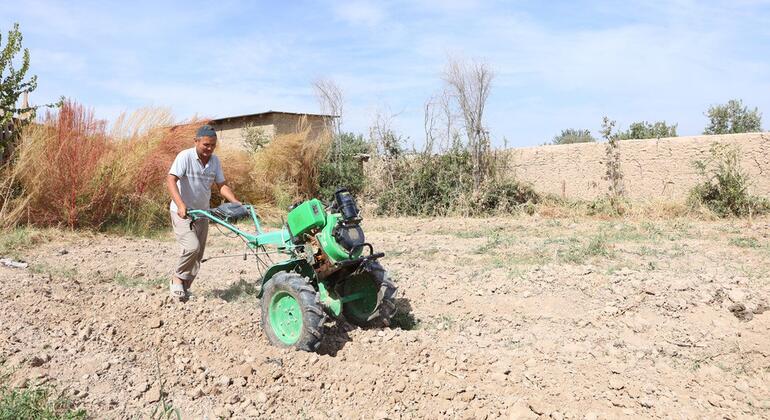
Extreme heat pushing global food systems to the brink, UN agencies warn
Extreme heat is pushing global food and farming systems to the brink, threatening the livelihoods of over a billion people as rising temperatures and more frequent heatwaves redefine how food is produced worldwide, a modern UN report warns. The findings, released by multiple UN agencies, underscore the growing vulnerability of agricultural systems to climate extremes, particularly in regions already facing food insecurity. As heatwaves intensify and become more prolonged, crop yields are declining, livestock are suffering heat stress, and farmers are struggling to adapt to rapidly changing conditions.
The report, issued jointly by the Food and Agriculture Organization (FAO), the International Fund for Agricultural Development (IFAD), and the World Food Programme (WFP), highlights that extreme heat events are no longer isolated incidents but are becoming a persistent feature of the global climate landscape. These agencies warn that without urgent action to build resilience in food systems, the number of people facing hunger and malnutrition could rise significantly in the coming decades. The assessment draws on climate data, agricultural surveys, and socioeconomic analyses from over 100 countries to evaluate the cascading impacts of heat on food production, distribution, and access.
According to the UN News report published on April 13, 2026, the agencies emphasize that smallholder farmers, who produce about one-third of the world’s food, are disproportionately affected due to limited resources for adaptation. Many lack access to drought-resistant seeds, irrigation systems, or financial safety nets that could help them cope with extreme temperatures. The report notes that in regions such as South Asia, sub-Saharan Africa, and parts of Latin America, heatwaves have already reduced wheat and maize yields by up to 20% during peak growing seasons, directly threatening food availability for vulnerable populations.
Reuters coverage of the same UN warning confirms that the report calls for immediate investment in climate-smart agriculture, including agroforestry, soil moisture conservation, and early warning systems for extreme weather. It too stresses the need to strengthen social protection programs so that farmers and rural communities can recover more quickly from heat-related losses. The agencies argue that protecting food systems from heat stress is not only a matter of agricultural policy but also a critical component of global efforts to achieve the UN Sustainable Development Goals, particularly Goal 2 (Zero Hunger) and Goal 13 (Climate Action).
How extreme heat disrupts food production
Rising temperatures interfere with every stage of food production, from planting to harvest and storage. Heat stress in crops can reduce pollination efficiency, stunt growth, and accelerate senescence, leading to lower biomass and grain quality. For livestock, prolonged exposure to high temperatures reduces feed intake, lowers fertility, and increases mortality, particularly in poultry and dairy cattle. In aquaculture, warmer water holds less oxygen, increasing the risk of fish kills and disease outbreaks.

Beyond direct biological impacts, extreme heat exacerbates water scarcity by increasing evaporation rates from soil and reservoirs, intensifying competition for irrigation water between agriculture, industry, and households. In many regions, groundwater aquifers are already being depleted faster than they can recharge, making irrigation less reliable during heatwaves. Post-harvest losses also rise under hot conditions, as inadequate storage facilities lead to spoilage of grains, fruits, and vegetables before they reach consumers.
The UN report explains that these challenges are compounded by the fact that heatwaves are often accompanied by other climate extremes, such as droughts and wildfires, which further degrade land and disrupt supply chains. For example, in 2025, a prolonged heatwave across the Mediterranean basin contributed to widespread wildfires that destroyed farmland and disrupted transport routes, delaying food deliveries to urban centers. Similarly, in India and Pakistan, back-to-back heatwaves in 2024 and 2025 led to wheat harvest failures that prompted emergency grain imports and contributed to localized price spikes.
Who is most at risk?
The livelihoods of over a billion people are under threat from the combined effects of heat stress on food systems, according to the UN assessment. This figure includes smallholder farmers, agricultural laborers, pastoralists, and urban populations who rely on affordable food markets. Women and children are particularly vulnerable, as they often bear the brunt of food shortages and have fewer resources to cope with rising prices or reduced income from farming.
In sub-Saharan Africa, where more than 60% of the population depends on agriculture for their livelihoods, heat-related crop losses could push millions into chronic hunger if adaptive measures are not scaled up. In South Asia, where wheat and rice are dietary staples, even modest yield reductions due to heat can have outsized effects on food security given the region’s high population density. The report also notes that urban poor, who spend a large share of their income on food, are highly susceptible to price volatility triggered by climate-related disruptions in rural production.
The agencies stress that building resilience requires more than just technological fixes — it demands inclusive policies that empower marginalized groups, especially women farmers, to access land, credit, and extension services. Social safety nets, such as cash transfer programs and public works initiatives, can help households maintain food access during periods of climate shock. Early warning systems that forecast heatwaves weeks in advance allow farmers to adjust planting schedules or deploy protective measures like shade nets and mulching.
What the UN recommends
The joint FAO-IFAD-WFP report outlines a three-pronged strategy to protect food systems from extreme heat: accelerate adaptation, reduce emissions from agriculture, and strengthen emergency response. Adaptation measures include developing and disseminating heat-tolerant crop varieties, improving water management through drip irrigation and rainwater harvesting, and promoting agroecological practices that enhance soil health and moisture retention.

On mitigation, the report acknowledges that agriculture contributes significantly to greenhouse gas emissions through methane from livestock and rice paddies, and nitrous oxide from fertilizers. It calls for a transition toward low-emission farming techniques, such as improved manure management, precision agriculture, and reduced tillage, while emphasizing that these efforts must not compromise food security or farmer livelihoods. The report also highlights the potential of restoring degraded lands and protecting natural ecosystems like wetlands and forests, which regulate local climates and support biodiversity essential for pollination and pest control.
For emergency response, the UN agencies urge governments and humanitarian partners to pre-position food stocks in climate-vulnerable regions, expand access to weather-indexed insurance for farmers, and strengthen social protection systems that can scale up quickly during crises. They also recommend integrating climate risk assessments into national agricultural planning and budgeting processes to ensure long-term resilience is prioritized.
Next steps and global response
The UN report was released ahead of the 2026 UN Climate Change Conference (COP31), scheduled to take place in Belém, Brazil, in November 2026. At COP31, food systems are expected to be a central theme in discussions on climate adaptation and loss and damage, with several side events and ministerial roundtables focused on building resilience in agriculture. The FAO has announced it will present a detailed implementation plan for its Climate Change Strategy at the conference, which includes targets for scaling up climate-smart agriculture practices in 50 countries by 2030.
In the meantime, national governments are urged to align their agricultural policies with their nationally determined contributions (NDCs) under the Paris Agreement. The UN Framework Convention on Climate Change (UNFCCC) secretariat has noted that as of April 2026, over 80 countries have included specific measures for agricultural adaptation in their latest NDC updates, though funding gaps remain a major obstacle to implementation.
For readers seeking official updates, the FAO’s website provides access to the full report, policy briefs, and country-level case studies on heat resilience in food systems. The IFAD and WFP also maintain dashboards tracking investments in rural resilience and emergency food assistance linked to climate shocks. These resources are regularly updated and offer practical guidance for policymakers, development practitioners, and farmers navigating the challenges of a warming world.
Understanding how extreme heat is reshaping global food systems is essential for anyone concerned about food security, climate justice, or sustainable development. As the evidence mounts, the message from UN agencies is clear: the time to act is now, before heat pushes the world’s ability to feed itself past the point of no return.
Stay informed, share this article, and join the conversation about how we can build a more resilient and equitable food future in the face of rising temperatures.