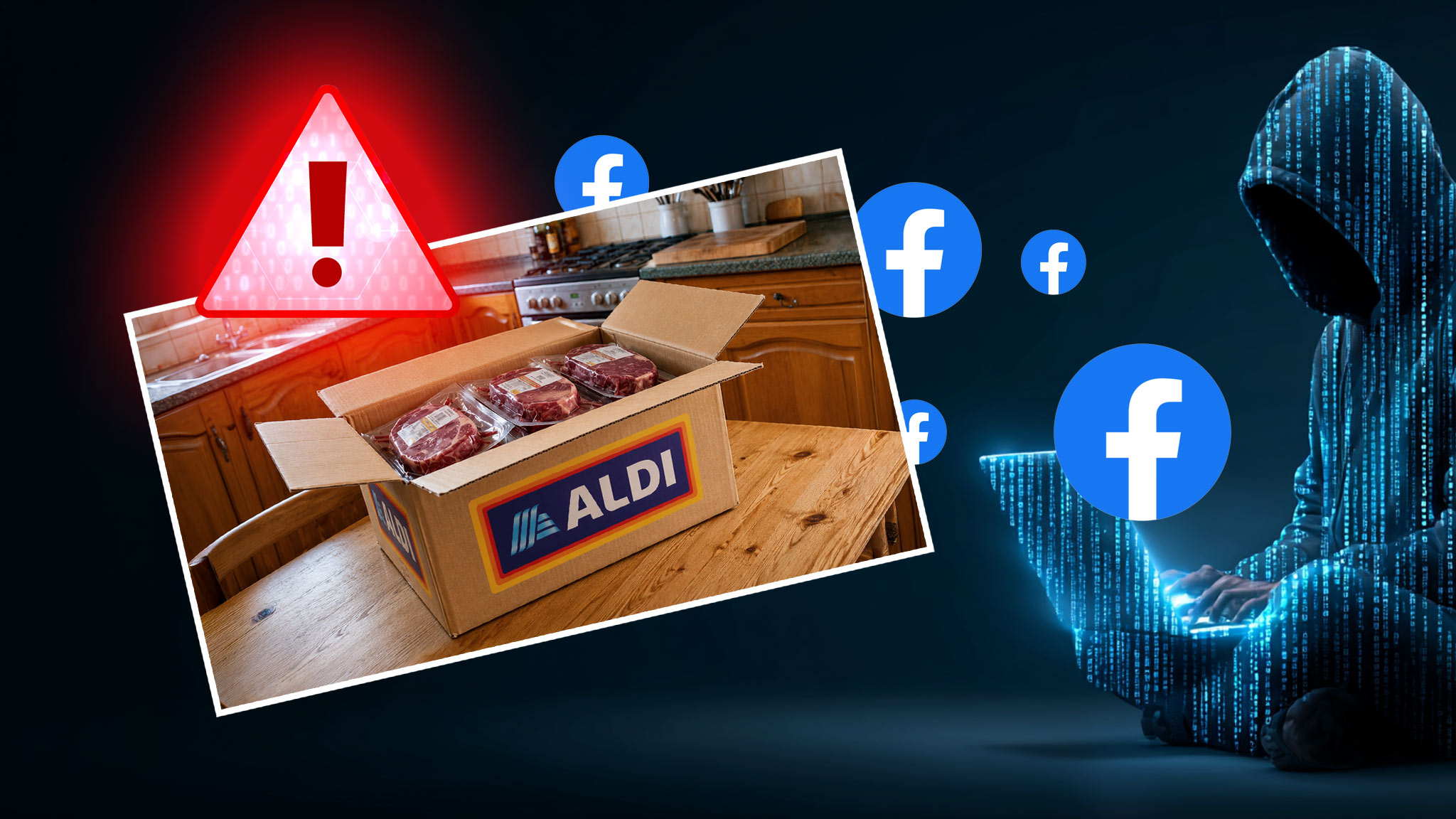
A sophisticated social media scam is currently circulating on Facebook, promising highly discounted Aldi meat boxes to lure unsuspecting consumers into surrendering sensitive payment information. The fraudulent campaign uses targeted social engineering tactics to bypass typical skepticism, specifically focusing on demographic groups that may be more susceptible to “too good to be true” offers.
The campaign, which has been flagged by cybersecurity experts, leverages the reputation of the well-known discount supermarket chain to create a sense of legitimacy. Rather than attacking through traditional technical vulnerabilities, the scammers are utilizing narrative-driven deception to harvest personal and financial data through deceptive web forms.
The Anatomy of the “Meat Box” Deception
The scam operates through a carefully constructed narrative designed to build trust through relatability. According to reports from Malwarebytes Scam Guard, the fraudulent posts often feature a “personal” testimonial. A common iteration of the scam involves a post claiming that a family member, such as a son, works at Aldi and has shared a “secret” promotion.
This specific brand of social engineering aims to make the offer feel like an exclusive insider tip rather than a public advertisement. The posts typically claim that Aldi is clearing out excess stock and offering meat boxes for under $10 to avoid waste. To further refine the target audience, the scam often explicitly mentions that the offer is intended for individuals “over 40,” a tactic used to create a sense of belonging and exclusivity among a specific demographic.
Once a user is hooked by the narrative, they are directed to a “short form” via a link provided in the comments or the post itself. This form is the primary engine of the fraud; it is designed to collect not only basic contact information but also critical payment details under the guise of processing the low-cost order.
Why the Offer Works: Psychology and Pricing
The effectiveness of the Facebook Aldi meat box scam lies in its use of extreme value propositions and psychological triggers. By setting a price point significantly below market value—specifically under $10 for a high-value item like a meat box—the scammers exploit the “fear of missing out” (FOMO) and the desire for a bargain.

The use of social engineering—specifically the “insider information” angle—serves several purposes:
- Bypassing Skepticism: A formal advertisement might be scrutinized, but a “tip” from a relative feels more authentic and less like a corporate pitch.
- Targeted Demographic Engagement: By mentioning age groups, the scammers create a psychological hook that makes the reader feel the offer was specifically curated for them.
- Low Friction: The promise of a “short form” that takes only “about a minute” reduces the perceived effort and risk for the victim, encouraging impulsive decision-making.
Identifying the Red Flags
While these scams are designed to look convincing, they contain several classic indicators of fraudulent activity. Security professionals urge consumers to remain vigilant when encountering high-value offers on social media platforms.
Key red flags include:
- Unrealistic Pricing: Any offer that provides high-value grocery items at a fraction of their retail cost is a primary indicator of a scam.
- Unverified Sources: Scammers often use random or compromised accounts to post these offers. Legitimate brand promotions will almost always originate from the company’s official, verified social media pages.
- Urgency and Exclusivity: Claims that an offer is a “secret” or “almost nobody knows” are common tactics used to prevent users from performing independent verification.
- Data Harvesting Requests: Be extremely cautious of any link that requires personal or payment information to “validate” an entry or claim a giveaway.
To ensure authenticity, consumers should always look for the blue verification check mark next to a brand’s name on platforms like Facebook. This mark serves as a critical tool for distinguishing official corporate communications from fraudulent impersonations.
The Broader Landscape of Brand Impersonation
This incident is not an isolated event, but rather part of a continuing trend where major retailers are targeted by terrible actors to facilitate identity theft and financial fraud. Aldi has faced similar challenges in the past; for example, in 2020, the company had to warn customers about a fake Facebook page that promised “Christmas Food Boxes” to users who shared and commented on specific posts.

The evolution from “free grocery” giveaways to “low-cost product” offers suggests that scammers are constantly refining their methods to stay ahead of consumer awareness. As online shopping becomes more integrated into social media ecosystems, the surface area for these types of phishing and social engineering attacks continues to expand.
Key Takeaways for Consumer Safety
- Verify the Account: Never engage with a brand offer unless it comes from a verified official account.
- Question the Value: If a deal seems too good to be true, it almost certainly is.
- Protect Your Data: Avoid entering payment or sensitive personal information into forms linked from social media comments or unofficial posts.
- Report Fraud: If you encounter a suspicious ad, report it to the platform immediately to help protect other users.
As digital fraud tactics become increasingly sophisticated, the responsibility of verification falls heavily on the consumer. Staying informed about current scam trends and maintaining a healthy level of skepticism toward social media advertisements are the best defenses against modern cybercrime.
We will continue to monitor reports from cybersecurity agencies regarding this scam. Please share this article to help your friends and family stay protected from online fraud.