La California, Miranda, Venezuela – Authorities in Venezuela have arrested a man posing as a medical doctor in the La California district of Miranda state, exposing a concerning case of medical fraud. Neftalí Pérez Azócar, 56, was apprehended at the Seguros La Paz center, accused of practicing medicine without a license and illegally distributing pharmaceuticals. The arrest highlights the vulnerabilities within the healthcare system and the potential dangers to patients seeking legitimate medical care. This incident underscores the critical demand for stringent verification processes for medical professionals and the enforcement of regulations surrounding the distribution of medications.
The investigation, led by the División de Investigaciones de Delitos Contra La Salud Pública (Division of Investigations of Crimes Against Public Health) of the Cuerpo de Investigaciones Científicas, Penales y Criminalísticas (CICPC), revealed a disturbing pattern of fraudulent diagnoses, and prescriptions. According to officials, Azócar was utilizing a “quantum equipment” device to conduct assessments, but subsequent analysis by experts at the Instituto Venezolano de Investigaciones Científicas (IVIC) and the CICPC’s División de Experticias Informáticas (Division of Forensic Expertise) determined that the results generated by the device were entirely fabricated. The fraudulent practices extended to issuing prescriptions that did not address the actual medical conditions of patients seeking treatment.
The Scope of the Deception
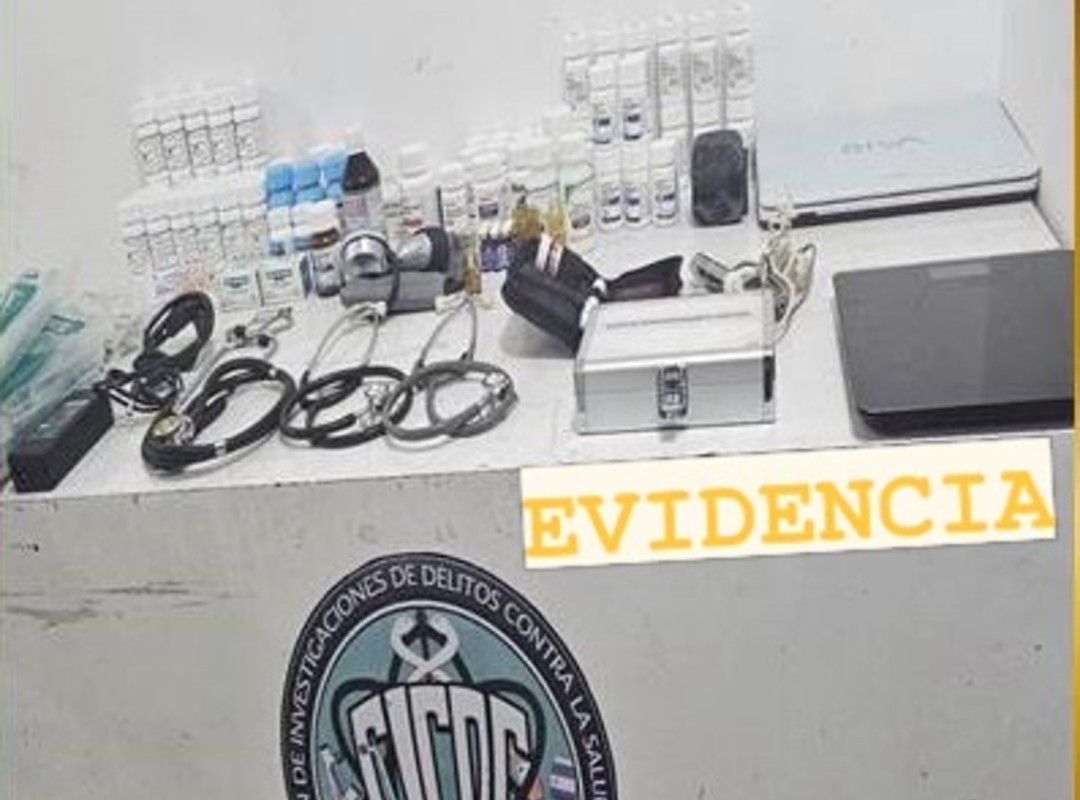
The investigation into Azócar’s activities began after receiving reports of questionable medical practices at the Seguros La Paz center. Douglas Rico, director of the CICPC, announced the arrest via Instagram, detailing the extensive work undertaken by investigators to uncover the scheme. The Instagram post included images of the seized equipment and medications. During questioning, Azócar admitted to having only a high school diploma and having completed an online course in natural medicine, lacking the formal qualifications necessary to practice as a physician. This revelation raises serious questions about how he was able to operate undetected for an unknown period.
The search of Azócar’s practice yielded a significant amount of confiscated medical supplies, including controlled substances and expired medications. Authorities also seized psychotropic substances, medical implements, and a laptop, all of which are now being examined as part of the ongoing investigation. The presence of expired and controlled medications poses a significant risk to public health, as their efficacy may be compromised and their use could lead to adverse health consequences. The case has been turned over to the Ministerio Público (Public Prosecutor’s Office) for further legal proceedings.
The Use of “Quantum Equipment” and its Implications
The use of “quantum equipment” in this case is particularly concerning. While the specific nature of the device remains unclear, authorities confirmed that it was used to generate false medical diagnoses. The reliance on such unverified technology highlights the potential for exploitation within the healthcare sector. The collaboration between the CICPC’s División de Experticias Informáticas and IVIC was crucial in debunking the validity of the equipment’s results, demonstrating the importance of scientific rigor in evaluating medical technologies. The incident raises broader questions about the regulation and oversight of diagnostic tools, particularly those marketed with unsubstantiated claims of advanced technology.
The Venezuelan healthcare system, like many in the region, faces significant challenges, including limited resources and a shortage of qualified medical personnel. This vulnerability creates an environment where individuals like Azócar can exploit the system and endanger the public. The case serves as a stark reminder of the need for increased vigilance and stricter enforcement of regulations to protect patients from unqualified individuals practicing medicine.
The Broader Context of Medical Fraud
Medical fraud is a global problem, with significant financial and health consequences. The World Health Organization (WHO) estimates that counterfeit medical products account for billions of dollars in losses annually, and pose a serious threat to public health. While this case in Venezuela involves an individual posing as a doctor rather than counterfeit drugs, it shares the same underlying principle of deception and exploitation. The motivations behind medical fraud can range from financial gain to a desire for social status, but the ultimate result is a betrayal of trust and a risk to patient safety.
In Venezuela, previous instances of individuals falsely claiming to be medical professionals have been reported. In August 2025, a man was arrested in Caracas for impersonating a surgeon and using falsified documentation. This pattern suggests a systemic issue that requires a comprehensive response, including enhanced background checks for medical personnel, increased public awareness campaigns, and stricter penalties for those found guilty of medical fraud. The CICPC’s ongoing efforts to combat these crimes are essential in safeguarding the health and well-being of the Venezuelan population.
The arrest of Neftalí Pérez Azócar represents a significant step in addressing the issue of medical fraud in Venezuela. Although, This proves crucial to recognize that this is likely just one case among many. Continued vigilance, robust investigation, and effective prosecution are essential to deter others from engaging in similar deceptive practices. The incident also underscores the importance of patients verifying the credentials of their healthcare providers and reporting any suspicious activity to the authorities. The health and safety of the public depend on a healthcare system built on trust, integrity, and accountability.
As the case proceeds through the Venezuelan legal system, further details are expected to emerge regarding the extent of Azócar’s fraudulent activities and the number of patients affected. The Ministerio Público will be responsible for building a case and seeking appropriate penalties, which could include imprisonment and substantial fines. The outcome of this case will likely set a precedent for future prosecutions of medical fraud in Venezuela and serve as a warning to those who seek to exploit the healthcare system for personal gain.
The investigation remains ongoing, and authorities have not yet released a comprehensive list of the patients who were treated by Azócar. However, officials are urging anyone who received medical care at the Seguros La Paz center to come forward and provide information that may assist with the investigation. The CICPC has established a dedicated hotline for individuals to report any concerns or suspicions related to this case. The focus now shifts to identifying and supporting the victims of this fraud, ensuring they receive appropriate medical attention and counseling.
This incident serves as a critical reminder of the importance of due diligence when seeking medical care. Patients should always verify the credentials of their healthcare providers and be wary of any treatments or diagnoses that seem questionable. The Venezuelan government is expected to review its regulations and enforcement mechanisms to prevent similar incidents from occurring in the future. Protecting the public from medical fraud requires a collaborative effort involving law enforcement, healthcare professionals, and informed citizens.
The next step in this case will be the formal indictment of Neftalí Pérez Azócar by the Ministerio Público. A trial date has not yet been set, but it is anticipated that the proceedings will be closely watched by the public and the medical community. We will continue to follow this story and provide updates as they turn into available. Share your thoughts and concerns in the comments below.
Worth a look